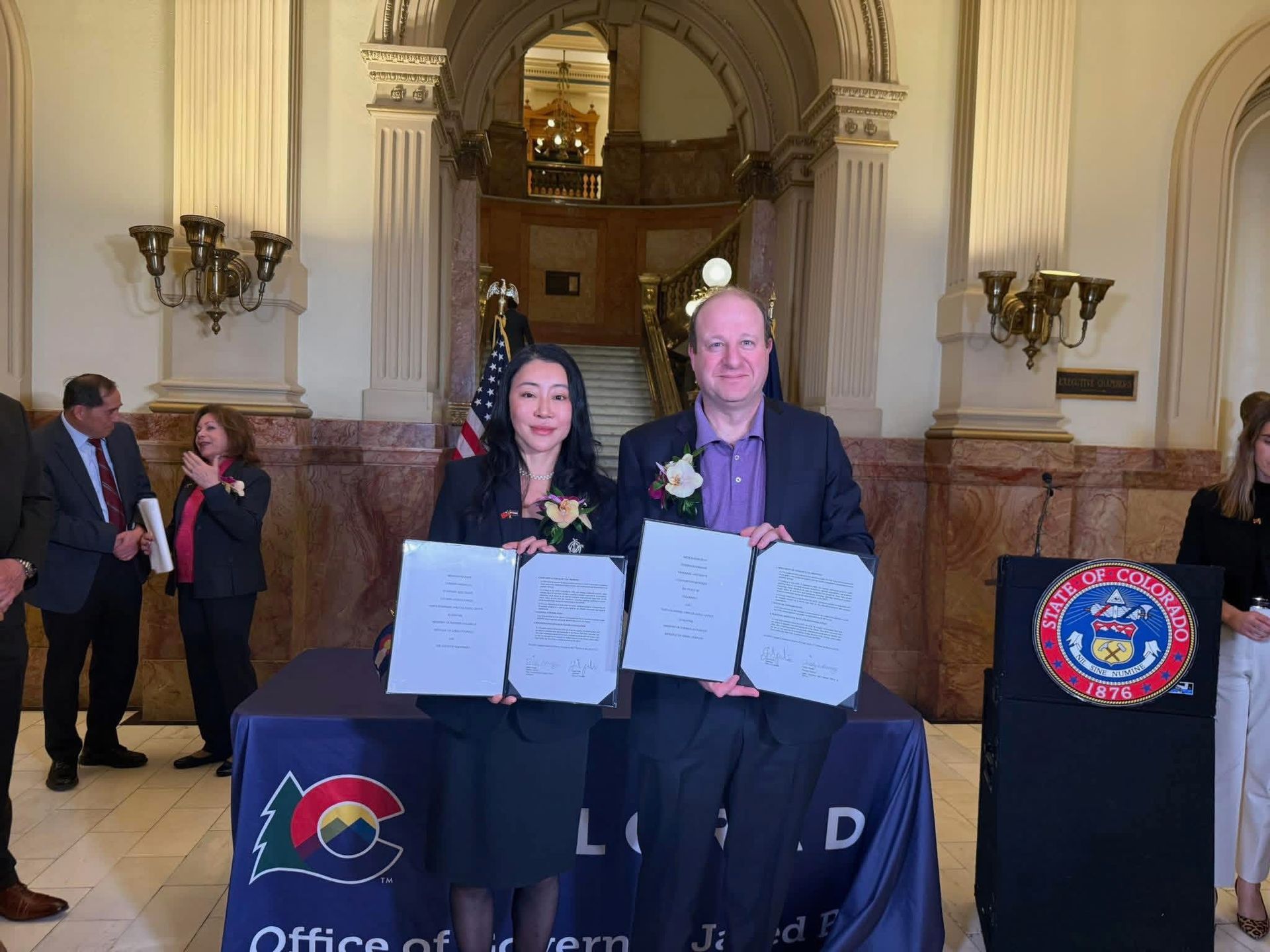
Whether she is meeting with a governor, visiting a university, talking with business leaders or attending a community festival, Director General Debby Huang has a consistent goal: connect people with Taiwan. As Director General of the Taipei Economic and Cultural Office (TECO) in Denver, Huang represents Taiwan across a six-state region that includes Colorado, Kansas, Missouri, Nebraska, North Dakota and South Dakota. Her responsibilities range from government and economic relations to education, cultural exchange, community engagement and consular services. But at the heart of her work, she says, is helping people understand Taiwan—and recognizing the many ways Colorado and Taiwan can work together. “My goal is to help people better understand Taiwan and identify areas where we can work together,” Huang said. Huang wants people to know that Taiwan is not a distant partner. Taiwan is here to help, and TECO Denver can help build the connections across communities. “If you are interested in Taiwan, you should visit,” she said. “Do business, study in Taiwan, visit Taiwan—you can come to us to better understand Taiwan’s role in the world.”
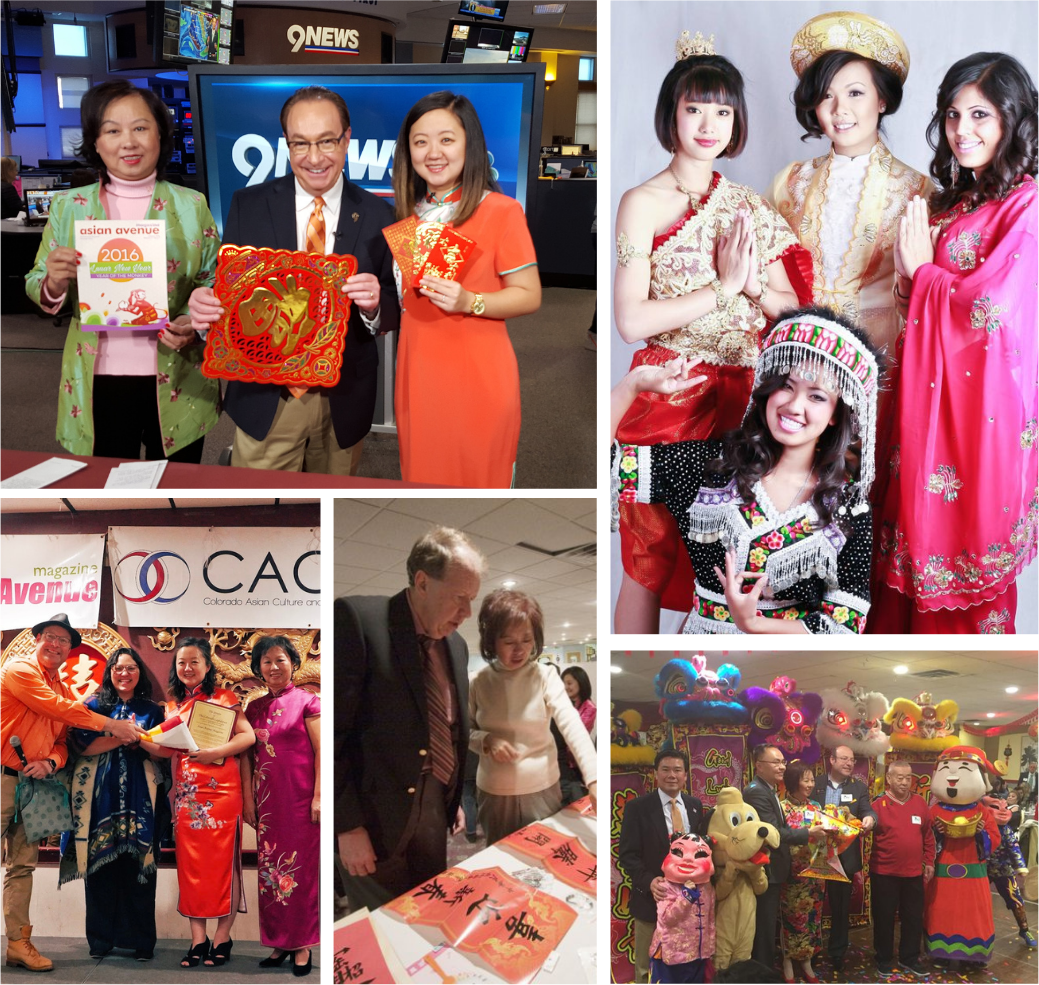
In 2006, before Instagram, before TikTok, and before “AANHPI” became part of mainstream conversations, there was a simple but powerful idea: Colorado’s Asian American community deserved to be seen. That idea became Asian Avenue Magazine . What started as a grassroots publication has grown over the past twenty years into a platform that has celebrated culture, amplified voices, supported local businesses, and documented the stories of Colorado’s Asian American, Native Hawaiian, and Pacific Islander (AANHPI) communities. At the time, there were few spaces where Asian Americans in Colorado could consistently see themselves reflected in local media. Community events often spread through word of mouth. Cultural organizations worked in their silos. Businesses had limited ways to reach Asian audiences. And many second- and third- generation Asian Americans were still searching for a stronger sense of identity and belonging. Asian Avenue became a connector. Issue after issue, the magazine highlighted community leaders, artists, entrepreneurs, nonprofits, students, restaurants, festivals, and families. It celebrated milestones and traditions while also addressing difficult conversations around identity, mental health, representation, immigration, and belonging. As we celebrate 20 years of the magazine next month (July 2026), we have seen how the publication has evolved alongside the community itself. What began primarily as a print magazine expanded into community events, partnerships and connections across Colorado. The growth reflected a larger transformation happening nationwide: AANHPIs becoming more visible, more vocal, and more engaged in civic and cultural life. This looked like young women becoming lifelong friends through the Miss Asian American Colorado Leadership Program, organizing high school student conferences with Next Generation Voices, bringing people together to try new restaurants with the Joy of Living Club, and many, many Lunar New Year dinner celebrations over the years! For many readers, Asian Avenue was more than a magazine. It was where they discovered local events, found businesses, celebrated achievements that mainstream media often overlooked, and felt connected to something larger than themselves. It was the first publication they grabbed when landing at the DEN airport. The past twenty years have not been without challenges. Print media has faced enormous changes with increases in paper and gas, and less advertisers as businesses move towards digital. During the COVID-19 pandemic and the rise in anti-Asian hate incidents, the importance of trusted community storytelling became even more clear. Through it all, Asian Avenue continued to show up — not just as a publication, but as a community platform. Thank you to the readers who picked up the very first issues in 2006. To the advertisers who supported us. To the writers, photographers, interns, volunteers, and community partners who contributed their voices and talents. And to the countless individuals and organizations whose stories filled these pages over the years.
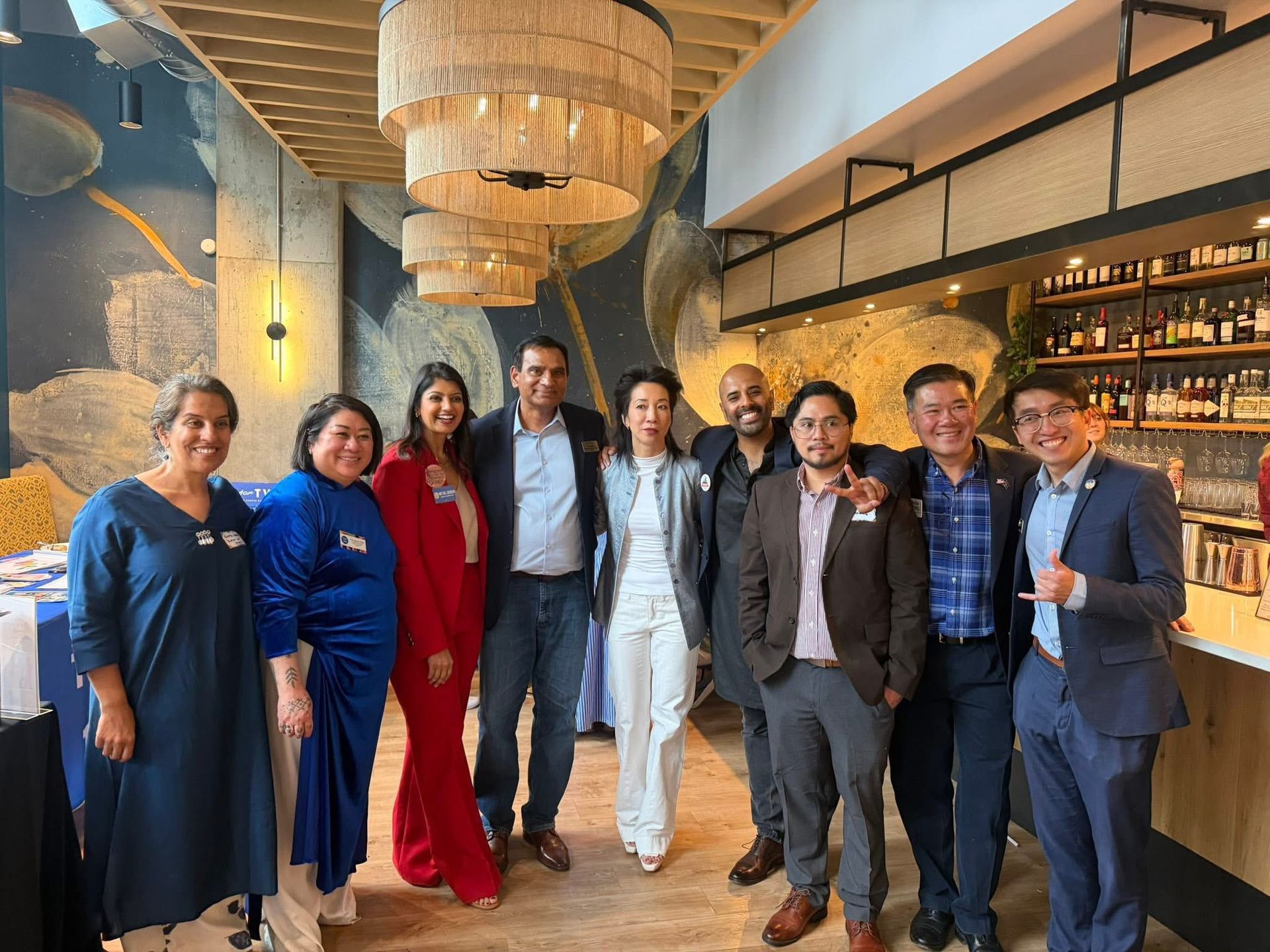
Meet Colorado’s Asian American candidates, Dr. Alexander Africa, Hetal Doshi, & Kenny Nguyen. Learn about their advocacy for community engagement.
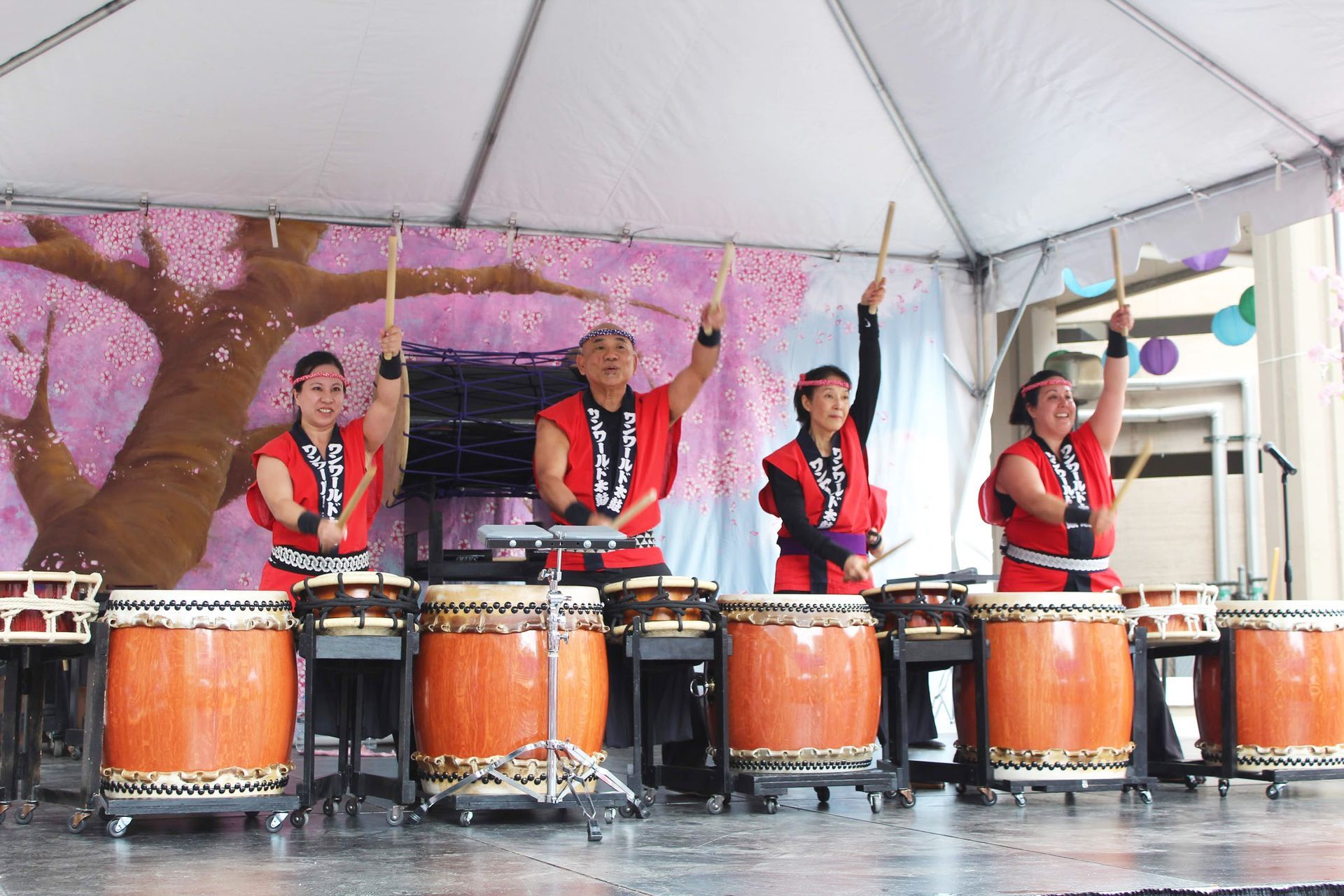
Not every city has a Sakura Matsuri but Denver does, and it keeps getting better! The Denver Cherry Blossom Festival returns for another spectacular weekend of Japanese culture, food, and community at Sakura Square, 1255 19th Street, on June 27 and 28. As always, it’s FREE and open to everyone. Saturday morning kicks off on the live stage with pulse-quickening taiko drumming, followed by a full stage of minyo folk dancers, koto players, enka singers, and martial artists. Temple children and youth perform throughout the weekend, and this year brings an exciting new addition: Ryu Japan, a Japanese singer-songwriter whose original music bridges cultures and moves hearts. The Marketplace features over 40 vendors offering traditional textiles, handcrafted art, contemporary Japanese fashion, anime, and pop culture finds. There’s something around every corner to spark your curiosity and send you home with a smile. Come hungry! Cool down with an ice-cold Asahi or crisp sake, then dig into a teriyaki burger, SPAM musubi, chicken bento box, and more. Food is available inside the Temple and at the outdoor marketplace booth, with dining areas under the Temple (enter from 20th Street), in the 19th Street plaza, and near the live stage. Families won’t want to miss a celebration of the book Unbreakable: A Japanese American Family in an American Incarceration Camp by Minoru Tonai, Jolene Gutiérrez, and Chris Sasaki. Author Jolene Gutiérrez will be on hand to read and discuss this moving children’s book about resilience, identity, and inner strength. Check the festival website soon for day and time. For parking, transit, performance schedule, and vendor info, visit cherryblossomdenver.org . Whether it’s your first visit or your fifteenth, Sakura Matsuri is a summer tradition worth making your own.
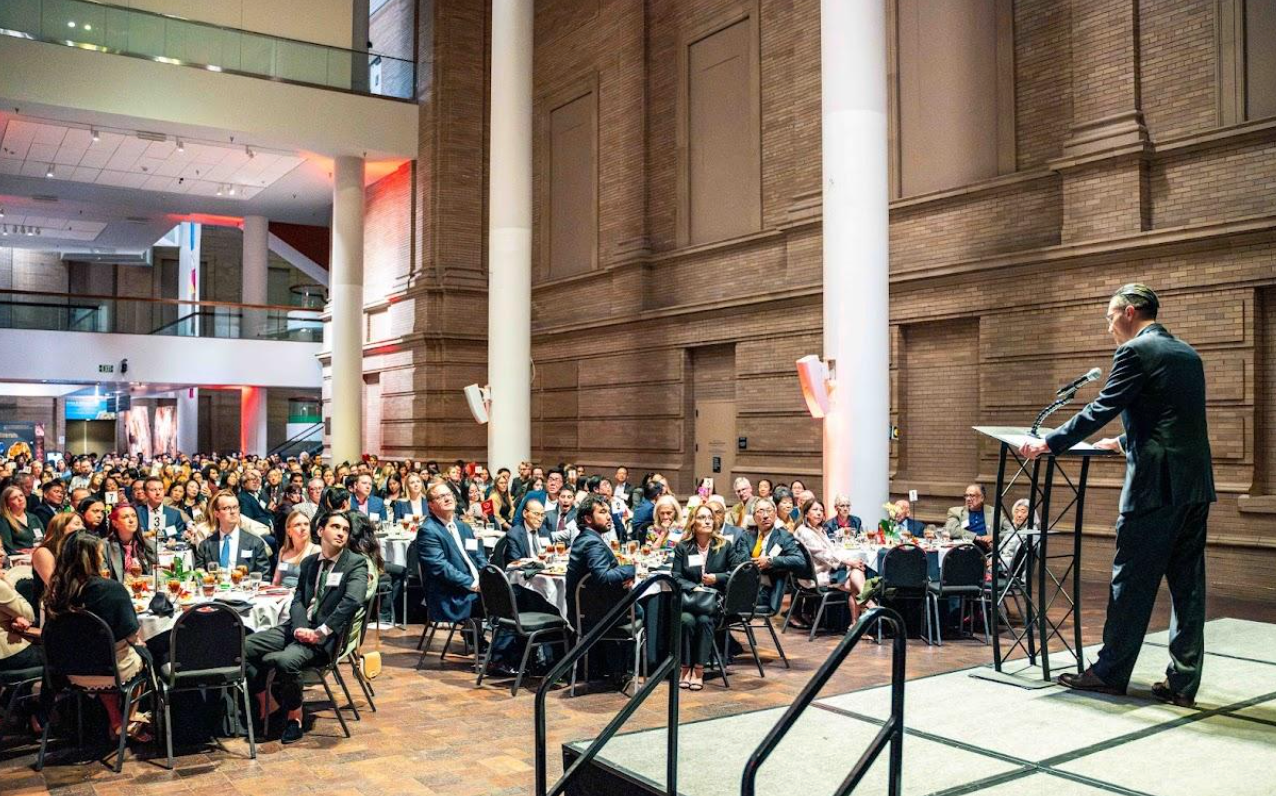
Celebrate Judge Joe Jefferson & other Asian American lawyers at the APABA banquet. Recognize their impact on the legal community.
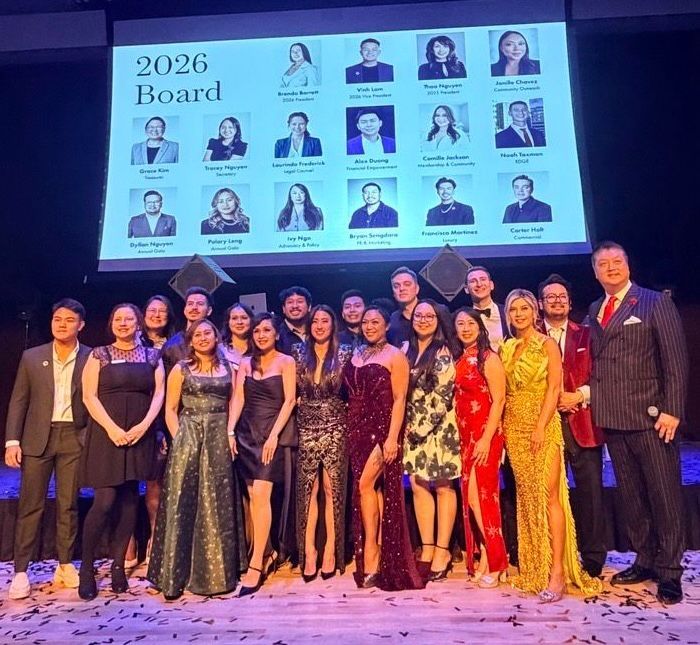
The Asian Real Estate Association of America (AREAA) Denver Chapter hosted its 2026 Installation Gala on April 29 at the Ellie Caulkins Opera House, convening business leaders, real estate professionals, and community advocates. The launch of the AREAA Denver Affordable Housing Fund, which supports income-restricted homeownership and rental opportunities across the region, was a highlight of the event. The gala also marked the installation of AREAA Denver’s 2026 Board of Directors, led by Chapter President Brenda Barrett, while serving as a critical funding mechanism for the chapter’s local and national initiatives. Proceeds from the gala helped underwrite AREAA Denver’s participation in the 2026 AREAA National Policy Summit in Washington, D.C., where members met with Congress to advocate for expanded homeownership and economic opportunity for AANHPI communities. At the Policy Summit last month, AREAA leaders advocated for a national three-point plan addressing key barriers facing AANHPI homebuyers: Language Access — AREAA supports the Language Access for All Act, aimed at restoring and expanding translation resources in the mortgage process. Research shows AANHPI borrowers face higher denial rates despite similar financial profiles—disparities that limit access to homeownership. Housing Supply — With the United States facing a shortage of approximately 4.5 million housing units, AREAA supports bipartisan legislation including the Housing for the 21st Century Act and the More Homes on the Market Act, designed to increase housing availability through regulatory and tax incentives. Protection of Property Rights — AREAA is advocating for the Preemption of Real Property Discrimination Act, addressing the resurgence of discriminatory laws restricting property ownership based on national origin—policies that threaten long-term wealth-building opportunities for immigrant communities. “At the policy level, these conversations are critical,” said Ivy Ngo, Policy Chair of AREAA Denver and an attorney specializing in complex civil litigation. “The barriers we’re addressing—language access, housing supply, and property rights—directly impact whether families have a fair opportunity to build generational wealth through homeownership.” Homeownership remains one of the most powerful drivers of generational wealth in the US, with AANHPI homeowners building a median of $180,000 in wealth within five years and up to $500,000 over twenty years. “This is about ensuring access to opportunity remains within reach,” said Brenda Barrett, Chapter President of AREAA Denver. “Our work locally connects directly to national conversations that shape the future of housing and economic mobility.” The Asian Real Estate Association of America (AREAA) is a national nonprofit organization dedicated to expanding sustainable homeownership and economic opportunity for AANHPI communities.
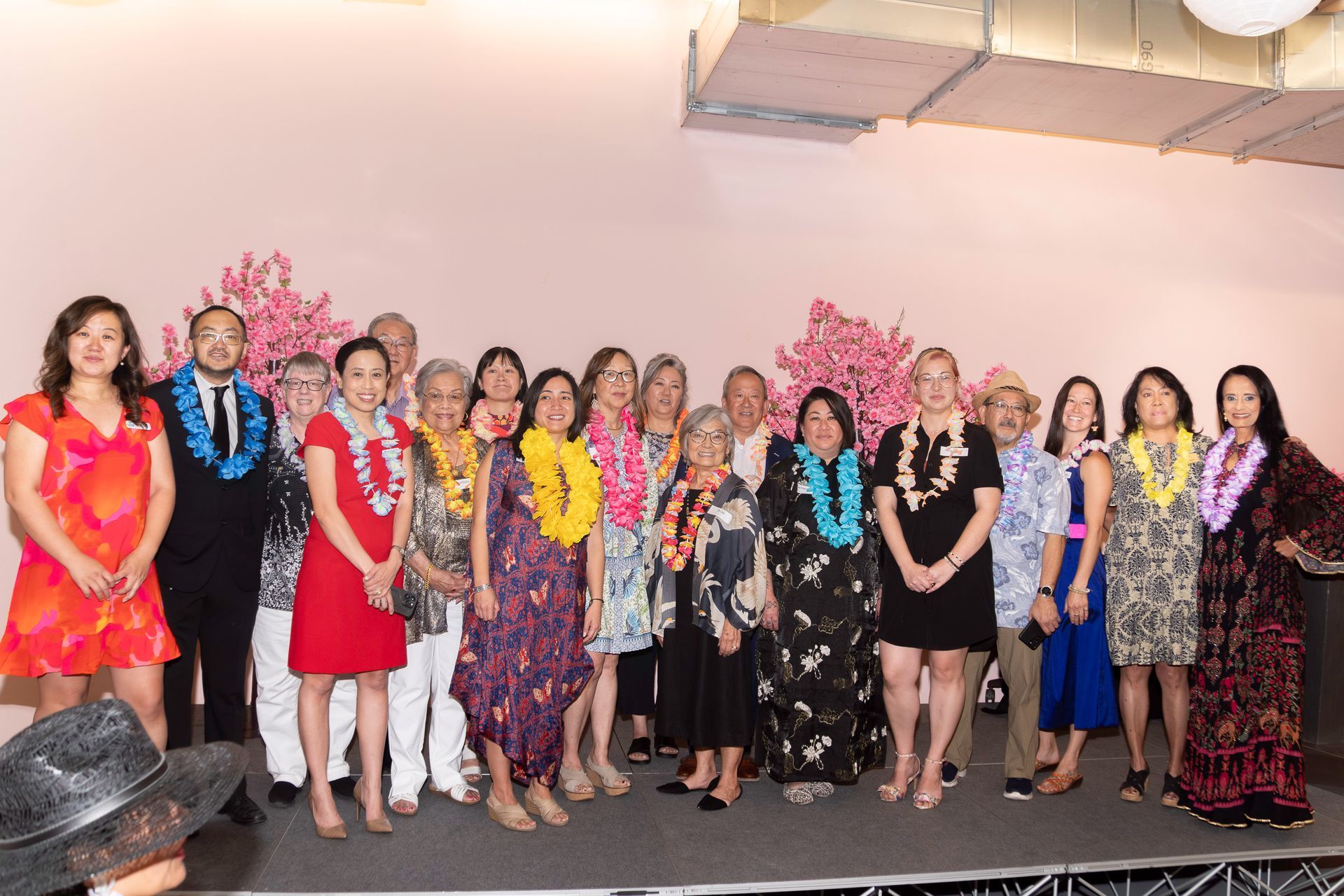
The 17th annual Asian American Heroes of Colorado Awards Ceremony celebrated six community heroes whose leadership, service, and courage have shaped Colorado for the better. This year, the Colorado Asian Culture and Education Network (CACEN) hit a special milestone - more than 100 honorees have been recognized with this award! Two lifetime achievement awards were given to Jolie Noguchi , co-owner of Japanese American market Pacific Mercantile, and Christina Yutai Guo , founder of CACEN and publisher of Asian Avenue Magazine. Other honorees included Mary Nguyen , a visionary entrepreneur, a community leader, and a chef! She is the founder of Olive & Finch Collective and the Chair of the Asian Chamber Foundation of Colorado. Meta Sarmiento , a Filipino-American poet, artist, and filmmaker, was also recognized. Growing up in Guam, Meta brings a taste of the islands to Colorado through his career in creativity and community. He also works with the Asian Pacific Islander Club at Florida Pitt Waller, where he helps middle school students share their stories. Dr. Nira Singh was recognized for her 34-year career dedicated to culturally responsive mental health care. As Clinical Director at the Cultural Development and Wellness Center within Aurora Mental Health & Recovery, she has been a leading advocate for immigrant and refugee communities. She also serves on the board of the National Asian American Pacific Islander Mental Health Association. Nga Vương-Sandoval , Founding Executive Director of Refugees and Immigrants United, was also honored for her leadership in building immigrant-led systems of support and advocacy. In addition, she leads a groundbreaking initiative with the Colorado Judicial Department focused on diversifying the judicial bench. This year’s honorees reflect the breadth of AANHPI leadership in Colorado from business and restaurants, to arts and health, to nonprofits and public service continuing a legacy of impact that spans generations.
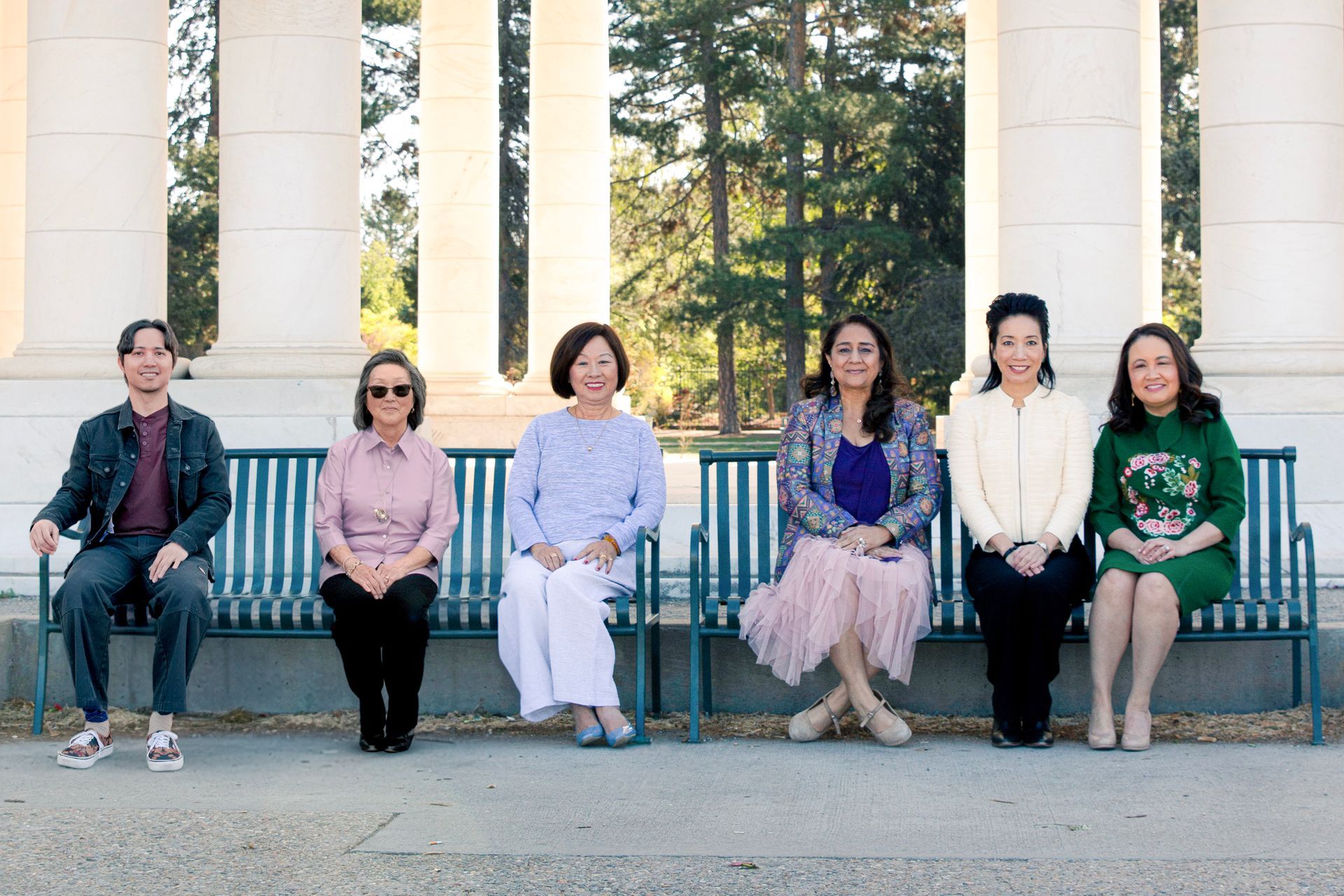
Highlighting the Asian American Heroes impact on Colorado's AAPI community. Read about their leadership & advocacy efforts today!
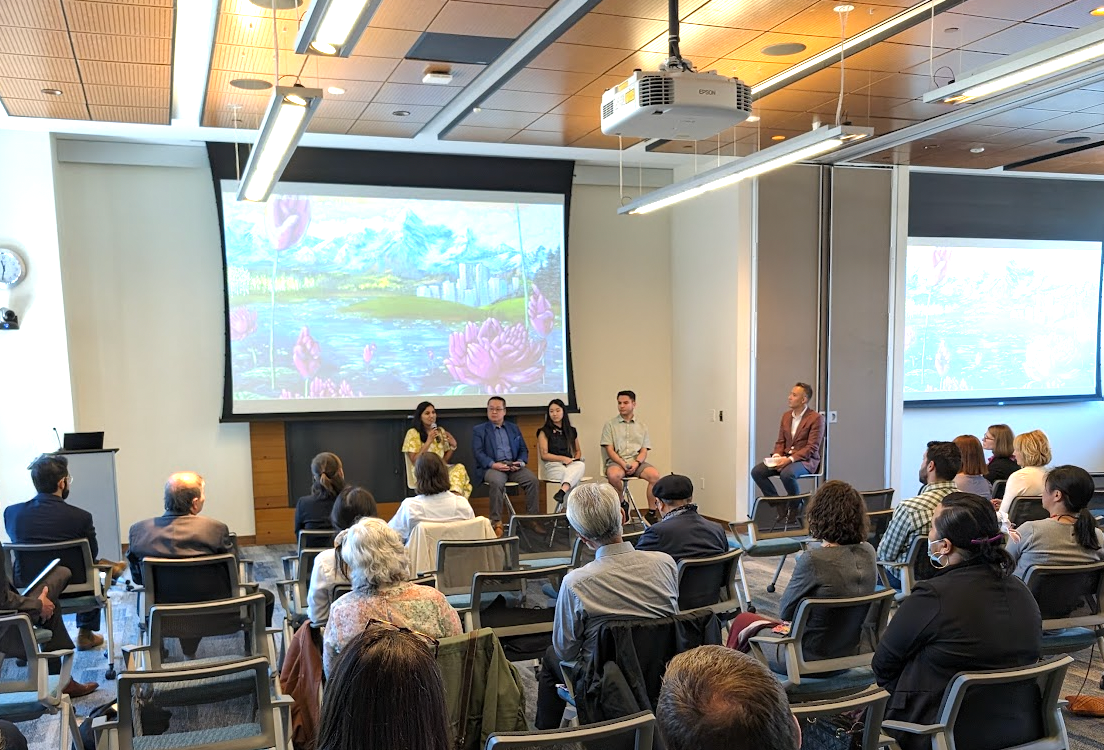
Learn how the Colorado Lotus Project enhances data research for AANHPI communities. Join us in advocating for better resources and support.