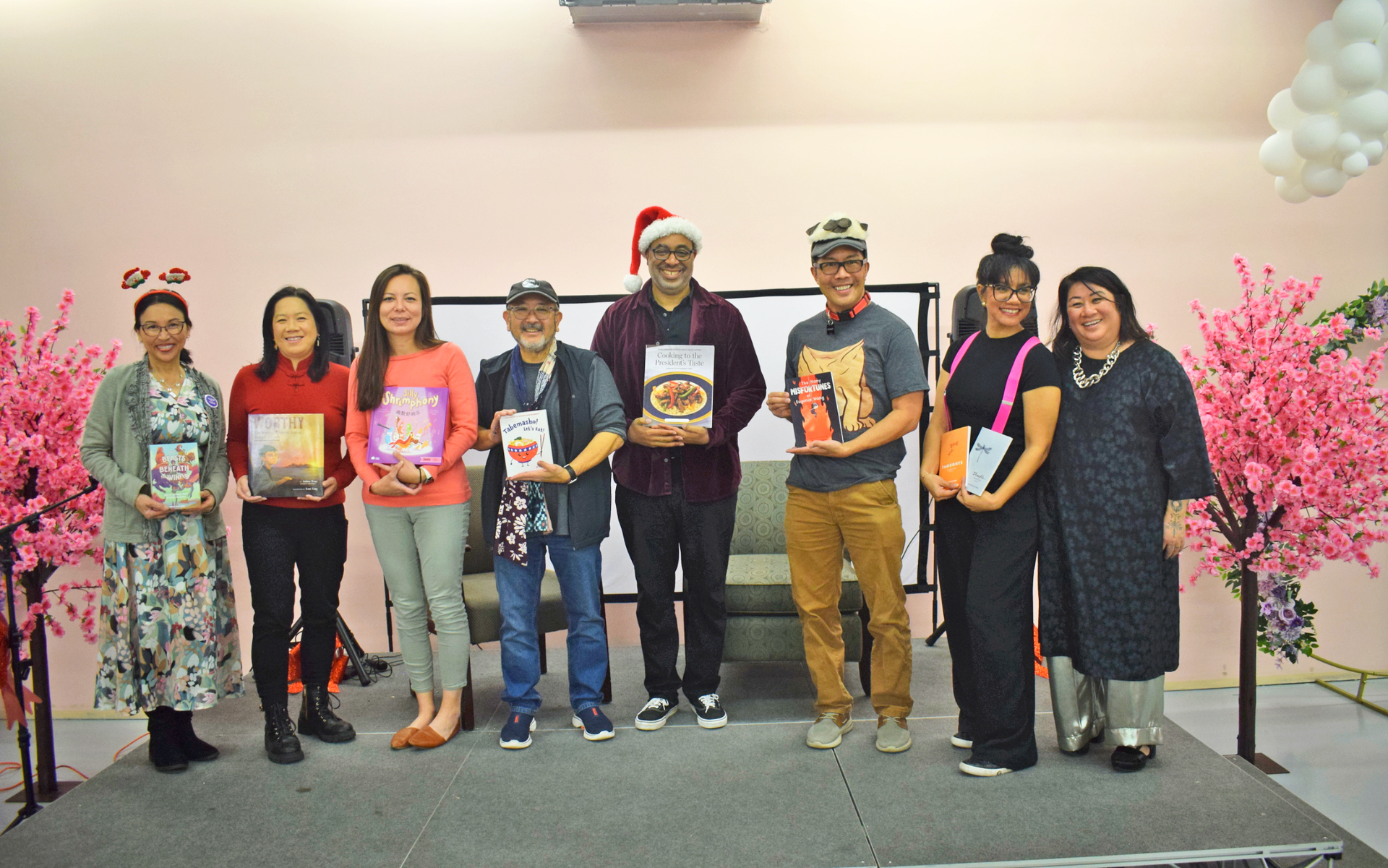
The Asian Book Bazaar on December 11, 2025, wasn’t just a marketplace; it was a high-profile gathering of some of Colorado’s most influential AANHPI literary and culinary figures, hosted by Colorado Asian Culture and Education Network at the Social Fabric Hub. The event featured a diverse lineup of creators whose work spans from award-winning children’s literature to investigative journalism and historical cookbooks.
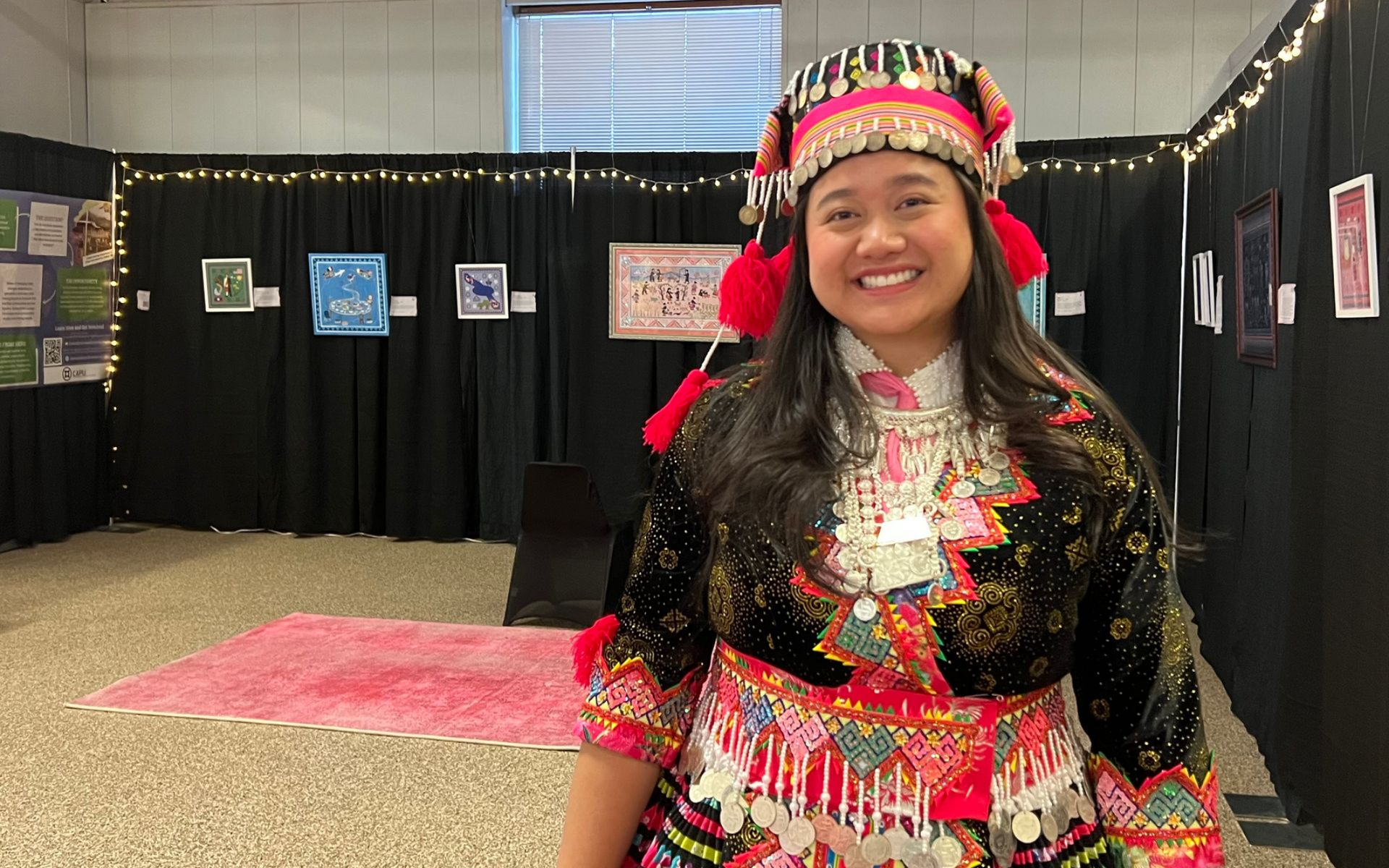
What would it look like for Asian American children to feel confident as their authentic selves? Growing up between cultures often teaches them how to make themselves smaller rather than how to belong. This question is what Sophia Siong sought to better understand. Her story is about choosing wholeness in a world that so often asks Asian Americans to diminish themselves. Sophia Siong, is a recent graduate of Regis University, who is leading community research on how Hmong Americans find belonging. Just north of Denver in cities like Westminster and Thornton is where many Hmong American families reside. According to the Pew Research Center, 360,000 people in the United States identified as Hmong in 2023. Hmong are often seen as an ‘ethnic minority,’ which gives more reason to speak about and share their culture proudly.
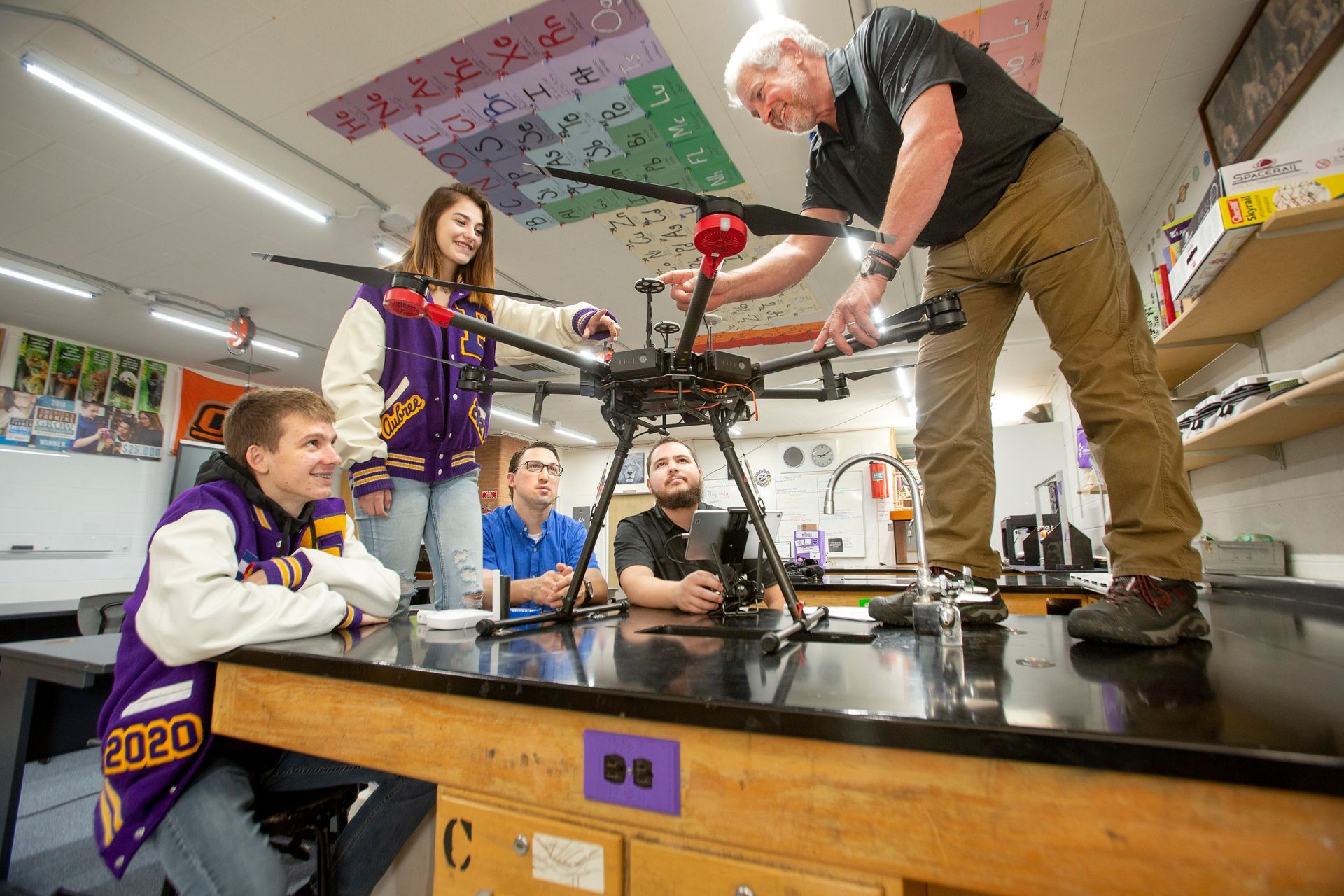
For more than two decades, the Nathan Yip Foundation has carried forward a legacy rooted in compassion, vision, and the belief that where a child lives should never determine what they can become. So, each year the foundation hosts a Chinese New Year Gala to raise critical funds for rural education and recognize an outstanding member of the community. Nathan Yip was just 19 years old when his life was tragically cut short in a car accident. He was Linda and Jimmy Yip’s only child, remembered for his kindness, curiosity, and deep empathy for others. While traveling in rural China, Nathan saw educational inequity firsthand, telling his parents, “We can make a difference.” Jimmy and Linda Yip transformed grief into purpose. In 2002, they founded the Nathan Yip Foundation to honor Nathan’s dream and extend hope to children in underserved communities. While the foundation’s early work focused internationally, its mission soon expanded closer to home, where rural Colorado students faced many of the same systemic inequities. Over the past ten years, the Nathan Yip Foundation has become a trusted champion for rural education in Colorado, investing more than $1.4 million in locally driven initiatives. These investments have modernized science labs, expanded career and technical education, and strengthened arts and creative programs. Rural school districts across Colorado face compounding challenges: shrinking tax bases, declining enrollment, persistent teacher shortages, limited access to advanced coursework, and reduced mental health and student support services. These pressures stretch already-limited resources and force difficult tradeoffs, even as educators remain deeply committed to their students and communities. Beginning this year, the foundation is launching a multi-year grant model that will support 5–7 rural school districts in its first cohort. These sustained partnerships are designed to create deeper, more lasting impact that will empower teacher-led, district-supported teams to design innovative solutions aligned to local needs. The response has been extraordinary, with 46 rural school districts applying and requesting more than $3.4 million in funding. This level of demand underscores the depth of need across rural Colorado. That is why the 2026 Chinese New Year Gala is more important than ever. The gala will raise the funds needed to expand the foundation’s capacity. This year’s gala will honor Dr. Larry Chan for his extraordinary service to the Nathan Yip Foundation as a founding board member, and his 40 plus years to the University of Colorado School of Medicine. Dr. Chan embodies the values of service, generosity, and leadership that define this work.
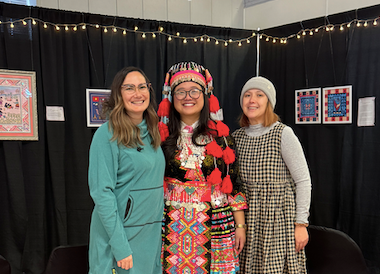
The cheerful jingle of money belts, the aroma of fresh and savory sausage, the smiles of friends and family passing each other with a wave or stopping for a photo. My first time at the Hmong American Association of Colorado’s (HMAAC) Hmong New Year celebration this November was full of texture and delight. Despite the snow and frigid temperatures, huge crowds of Hmong people and supporters gathered the weekend of Thanksgiving to ring in the new year. The Colorado Asian Pacific United (CAPU) team had been hard at work in the corner of the vendor hall putting up temporary walls, printing signage, and putting the final touches on our newest exhibit, Inherited Stories: Contemporary Voices. The exhibit interprets traditional Hmong story cloths as modern artworks. Each art piece, created by Hmong artists, reflects an oral history collected from the Hmong community in Colorado. Premiering at Hmong New Year, the exhibit highlights storytelling, memory, and the complex journeys of belonging. Inherited Stories: Contemporary Voices is a culmination of the award-winning research of CAPU intern, Sophia Siong. Her vision transformed her academic work on the Hmong people in Colorado to a more creative format, an art exhibition! As a curator, she selected artists from the community, paired them with oral historians, and helped coordinate the installation in partnership with HMAAC’s Hmong New Year celebration. The re-imagining of Hmong story cloths as paintings and digital drawings made the culture visible and accessible in a new way. Seeing kids, elders, and folks of all ages enjoy the artwork, talk about their favorites, take photos, and connect with the stories was an unforgettable experience. In an incredible line-up of dancers, musicians, food vendors, fashion, corn hole, artisans, and community leaders— CAPU was an honor to be included. And you can bet I’ll be back next year to cheer on the dance showcase, party it up with Chenning Xiong, get inspired by the coolest Hmong fashion, and eat my weight in Khaub Poob. Inherited Stories: Contemporary Voices feels especially poignant at the 50th anniversary of the Hmong people in Colorado (the Hmong have a rich history as a minority ethnic group originating from China with deep roots in Southeast Asian countries, many settling in Colorado after the Vietnam War). The Hmong community in Colorado is growing, and Inherited Stories: Contemporary Voices seeks to highlight their voices, educate the public about the history, and share some incredible artwork and cultural traditions. Colorado Asian Pacific United is currently seeking to travel the Inherited Stories: Contemporary Voices art exhibition to locations across Colorado in 2026. The exhibition includes framed original artworks, artist bios, narrative art labels written by the artists, an introductory text and poster, and supplemental materials about Sophia’s research as requested. If you have any questions about connecting with Hmong storytelling in Colorado or are interested in hosting the exhibition, e-mail contact@coloradoasianpacificunited.org .
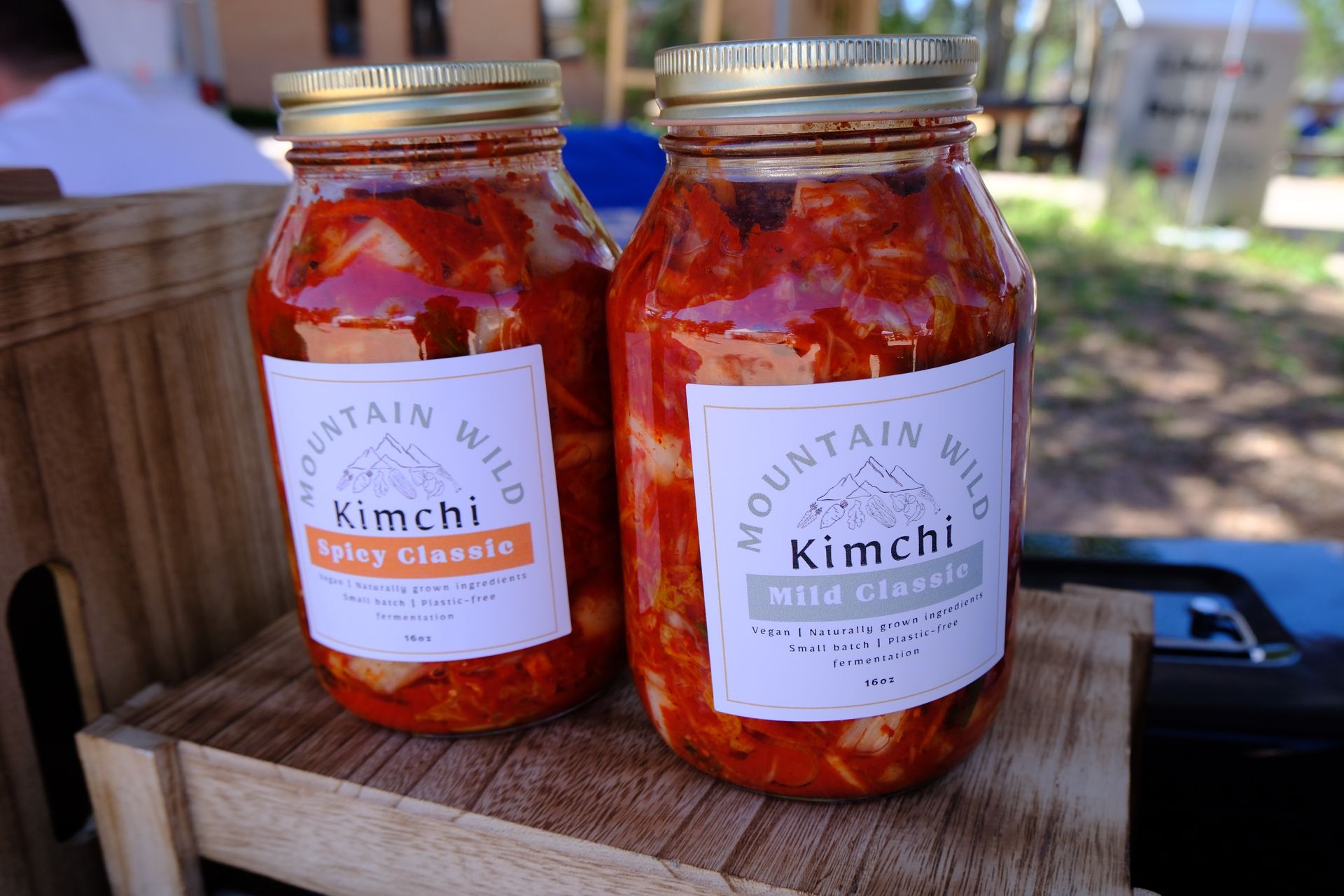
In the crisp air of Black Forest, Colo. a new flavor is taking root. While kimchi has long been a staple of Korean heritage, a local creator is reimagining this ancient ferment through a lens of modern sustainability and Colorado craft. Meet the force behind Mountain Wild Kimchi, a pop-up sensation proving that tradition, when mixed with local heart, is a recipe for success. From Seoul to the Springs The story of Mountain Wild Kimchi doesn’t begin in a commercial kitchen, but in the home of a stepmother from Seoul. “I learned to make kimchi from her,” shared creator Shelby Evans. “Her use of certain fruits and whole ingredients inspired me to create products that don’t use refined sugars or additives.” That foundation of “food as love” transitioned into a business mission after Shelby spent four years as the assistant manager at the Backyard Market in Black Forest. Seeing the market as an incubator for small dreams, she decided to turn her passion for organic, local food into a reality. A Greener Ferment What sets Mountain Wild apart in a crowded condiment aisle? It’s a commitment to “clean” tradition. While many commercial brands rely on preservatives or plastic fermentation vats, Mountain Wild takes the scenic route: Small Batch & Glass Fermented: No toxic plastic leaching; just pure, crisp fermentation. Vegan & Gluten-Free: Replacing traditional fish sauce and shrimp paste with depth-of-flavor from whole fruits. Zero-Waste Philosophy: Vegetable scraps are donated to a Black Forest farm for animal feed, and they utilize the Terracycle program to recycle plastic packaging and food-handling gloves. “I prioritize using organic, naturally and locally grown ingredients,” she explains. “I am working with Further Up Farms in Elbert to supply Napa cabbage and daikon. Quality is vital because I want customers to taste the freshness of produce that is pesticide and chemical-free.”
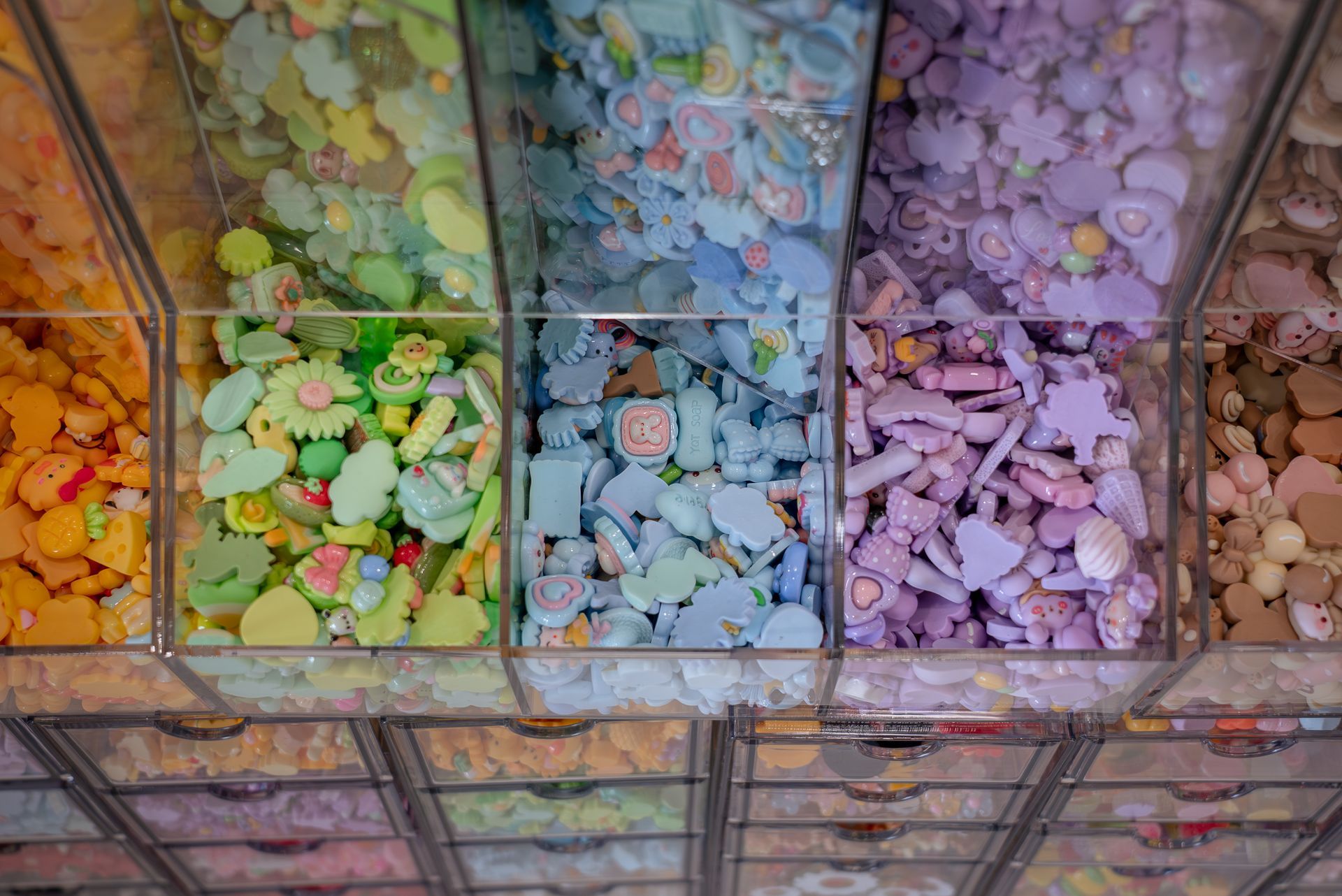
In a bustling world where we often lose ourselves in our daily roles, a new creative sanctuary has arrived in Colorado to help us reconnect with our inner artists. Olive Me Studio is more than just a craft shop; it is a modern, expressive lounge designed to bring the vibrant “decoden” culture of East Asia to the heart of the Mountain West. Founded by Becky Shin, an entrepreneur who rediscovered her own creative identity during a season of personal transformation, the studio fills a unique gap in the local community. While traveling, she noticed the popularity of decoden—a highly decorative “cream glue” crafting style—in coastal cities and across Korea and Japan. Recognizing that Colorado lacked a dedicated space for this joyful, tactile art form, she decided it was time to build one. The Meaning Behind the Name The name “Olive Me” carries a dual layer of significance that reflects the studio’s heart and soul: “All of Me”: It is a phonetic play on the phrase, signaling a space where every visitor is encouraged to express their full, authentic self. It also represents the founder pouring her entire heart into the project. Symbolism of the Olive: Historically, olive branches represent peace, calm, and safety. These are the exact feelings the studio aims to evoke. Furthermore, just as olive trees grow slowly to become resilient and long-lasting, Olive Me Studio is built to become a permanent, strong staple in the Colorado creative scene. What to Expect: Decoden and Beyond Olive Me Studio defines itself as a creative craft lounge and self-photo studio, offering a unique blend of DIY artistry and professional-grade memory making. 1. Decoden (Cream Glue Crafting) Originating from the Japanese word deko (decoration), decoden involves using colorful, whipped “cream glue” and an endless array of charms to personalize everyday objects. At Olive Me, you can design your own: cell phone cases and jewelry boxes; organizers and mirrors, purses, and custom accessories. 2. Self-Photo Studio (Coming Soon!) In a nod to the popular “selfie studio” trends in Asia, Olive Me will soon debut an aesthetic, professional space where guests can take high-quality portraits using a remote. It provides the luxury of a professional photoshoot at a fraction of the cost, perfect for capturing any occasion with friends and family. Whether you are looking to decompress after a long week or want to create a one-of-a-kind gift, Olive Me Studio offers the tools, the atmosphere, and the community to help you shine. Visit Olive Me Studio (2712 S. Havana St Suite AA, Aurora, CO 80014) to experience the first decoden lounge in Colorado and rediscover the joy of creating something beautiful—all by yourself.
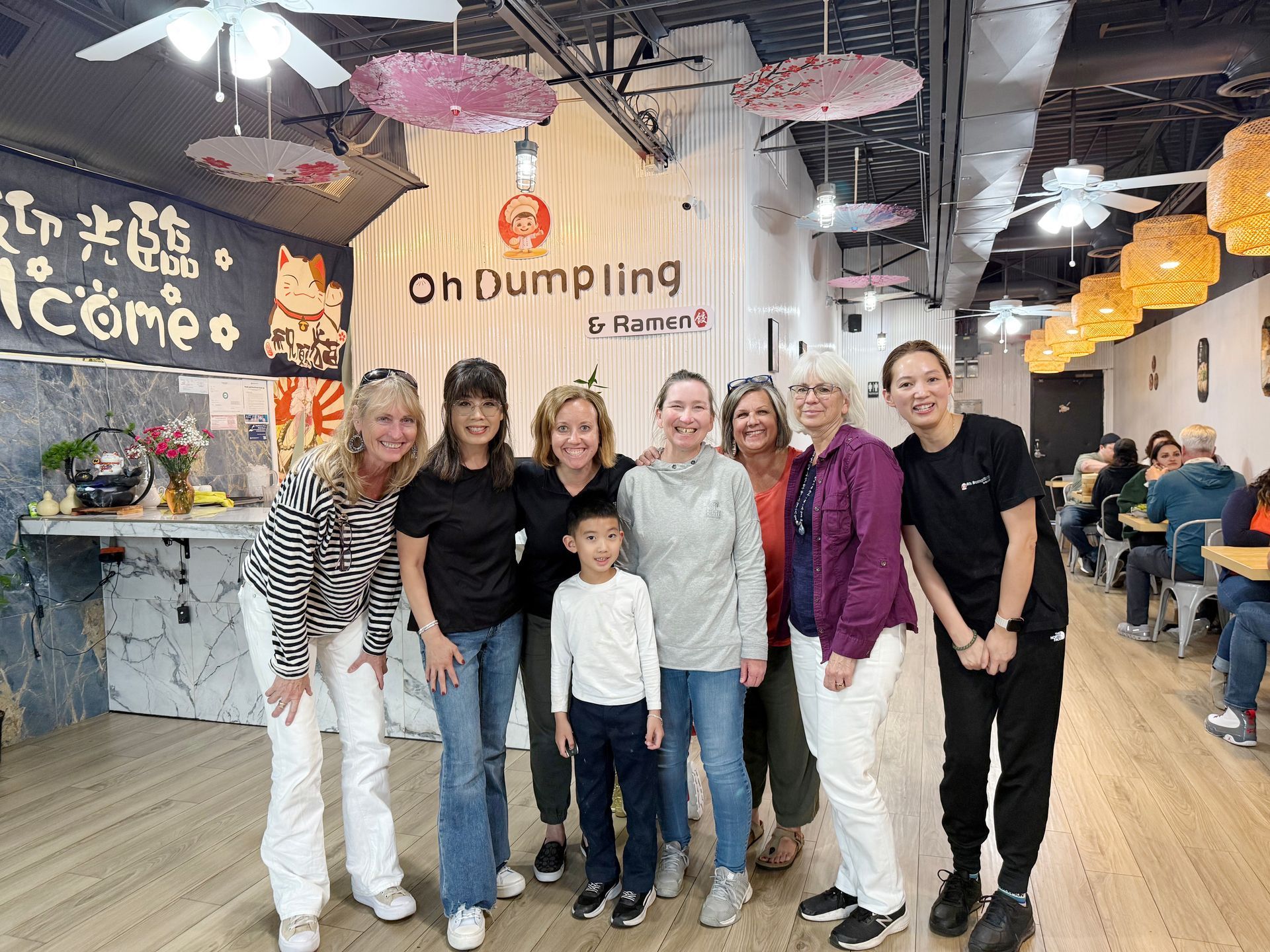
Tucked into the Greenwood Village shopping area near Arapahoe Road and Dayton Street, Oh Dumpling is quickly earning a reputation as a must-visit spot for comforting, well-crafted Asian cuisine that goes far beyond dumplings alone. “We opened in November of last year, and our intention was to create a warm, cozy shop where we could connect with wonderful people,” said owner Saiying Xue. From the moment you walk in, the space feels welcoming and thoughtfully designed—bright, clean, and spacious, with an easygoing neighborhood vibe. The restaurant hums with energy as servers move efficiently between tables, creating a dining experience that feels both lively and relaxed. While dumplings are clearly the star, the menu reveals an impressive range of offerings. Alongside a variety of dumplings, handmade wontons, and fluffy buns, diners will find scallion pancakes, takoyaki, pork belly buns, aged tofu, and noodle and rice dishes, including ramen, Chinese fried rice, and lo mein—ensuring there’s something for every craving. The handmade steamed pork dumplings are a standout. Folded delicately like wontons, they feature a pleasantly chewy wrapper and a moist, flavorful pork filling that speaks to the skill of the dumpling makers working behind the scenes. Xiao Long Bao soup dumplings (chicken or pork) are best enjoyed hot and dipped into a classic mix of chili oil, soy sauce, and Chinese vinegar. For those who enjoy a bit of heat, the pork dumplings in chili sauce deliver juicy, meaty bites with just the right amount of spice.