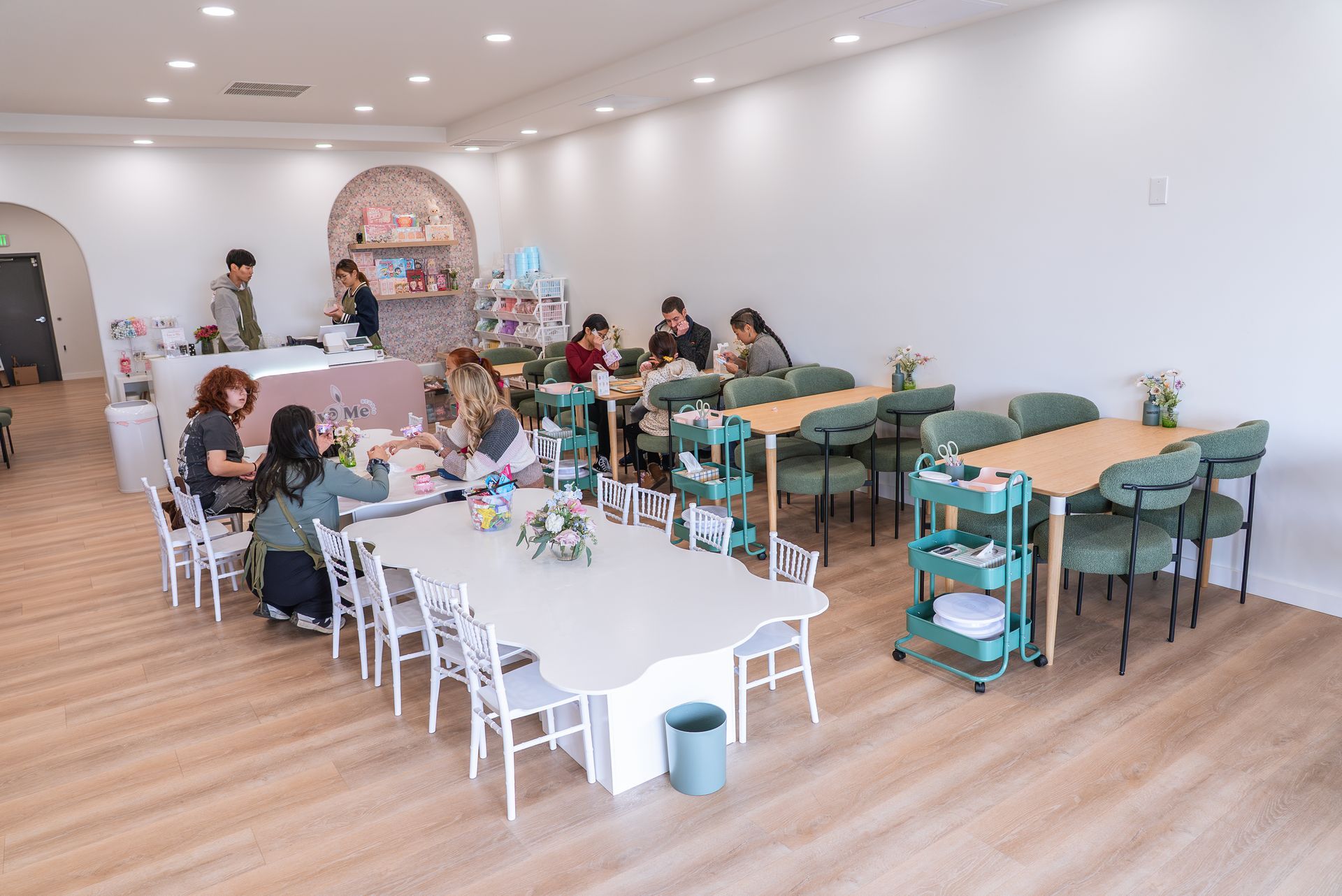
A New Hub for Creativity: Olive Me Studio
Mary Jeneverre Schultz • January 1, 2026

In a bustling world where we often lose ourselves in our daily roles, a new creative sanctuary has arrived in Colorado to help us reconnect with our inner artists. 


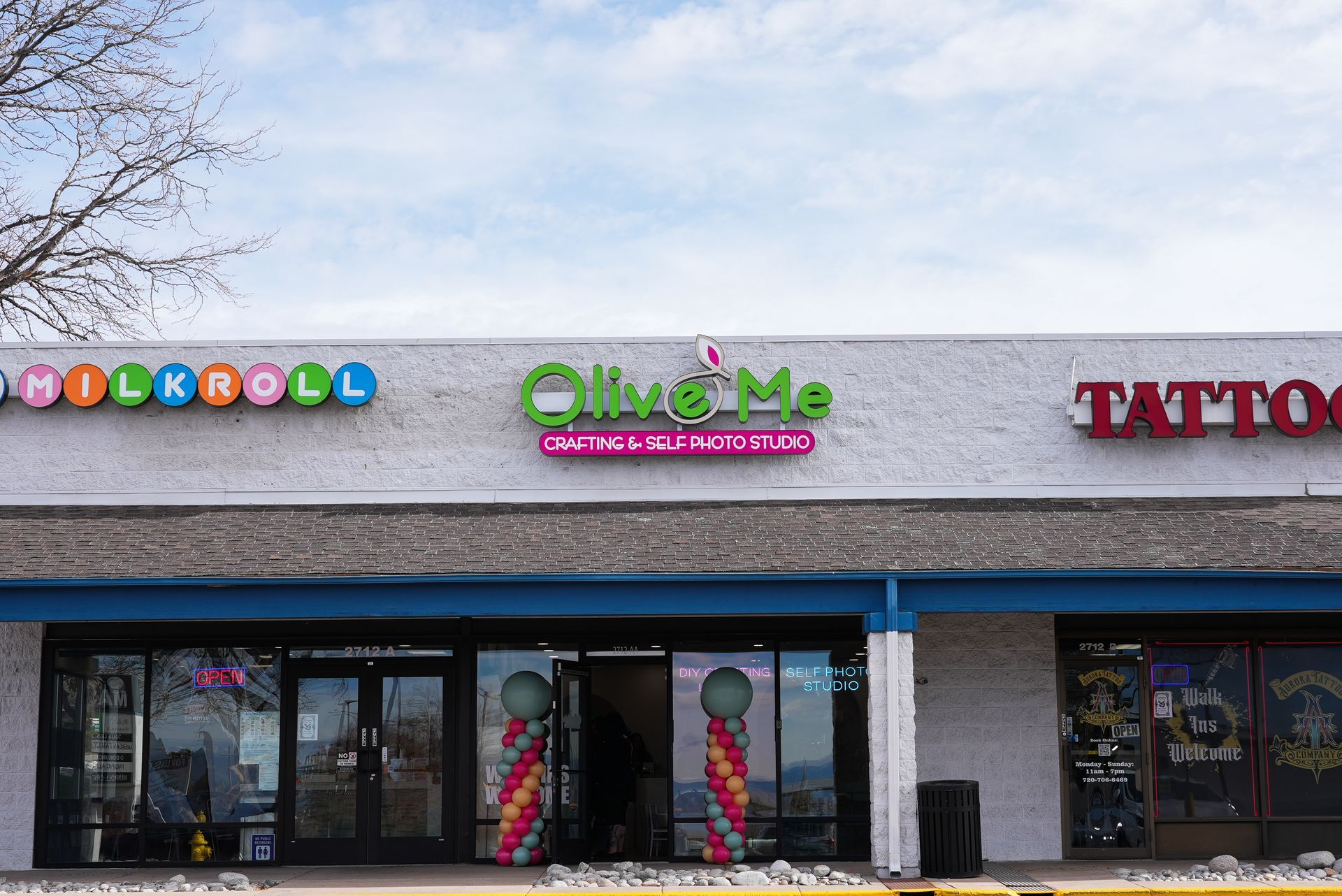
Olive Me Studio is more than just a craft shop; it is a modern, expressive lounge designed to bring the vibrant “decoden” culture of East Asia to the heart of the Mountain West.


Founded by Becky Shin, an entrepreneur who rediscovered her own creative identity during a season of personal transformation, the studio fills a unique gap in the local community. 


While traveling, she noticed the popularity of decoden—a highly decorative “cream glue” crafting style—in coastal cities and across Korea and Japan. Recognizing that Colorado lacked a dedicated space for this joyful, tactile art form, she decided it was time to build one.


The Meaning Behind the Name


The name “Olive Me” carries a dual layer of significance that reflects the studio’s heart and soul:


  • “All of Me”: It is a phonetic play on the phrase, signaling a space where every visitor is encouraged to express their full, authentic self. It also represents the founder pouring her entire heart into the project.
  • Symbolism of the Olive: Historically, olive branches represent peace, calm, and safety. These are the exact feelings the studio aims to evoke. Furthermore, just as olive trees grow slowly to become resilient and long-lasting, Olive Me Studio is built to become a permanent, strong staple in the Colorado creative scene.


What to Expect: Decoden and Beyond


Olive Me Studio defines itself as a creative craft lounge and self-photo studio, offering a unique blend of DIY artistry and professional-grade memory making.


1. Decoden (Cream Glue Crafting)

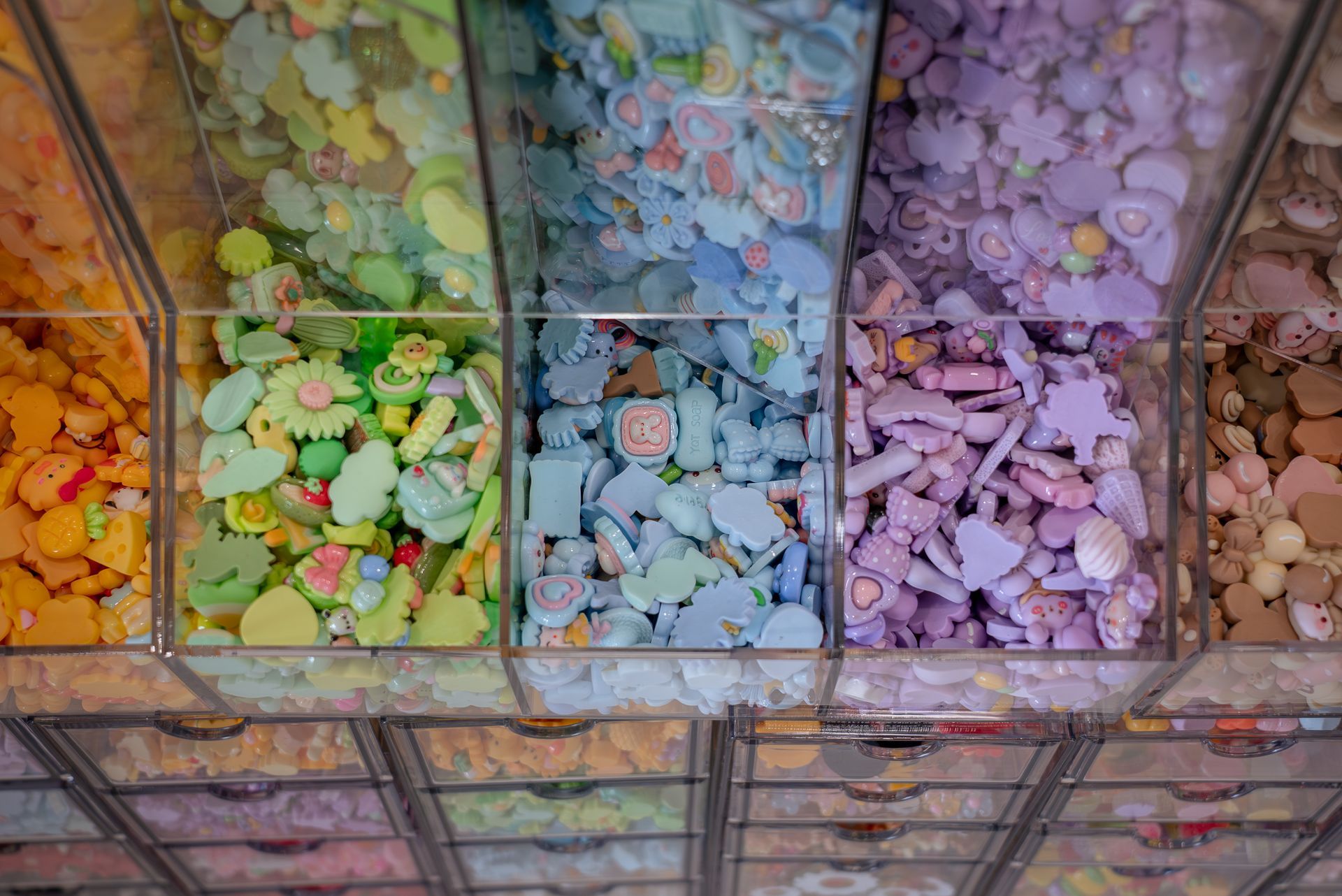
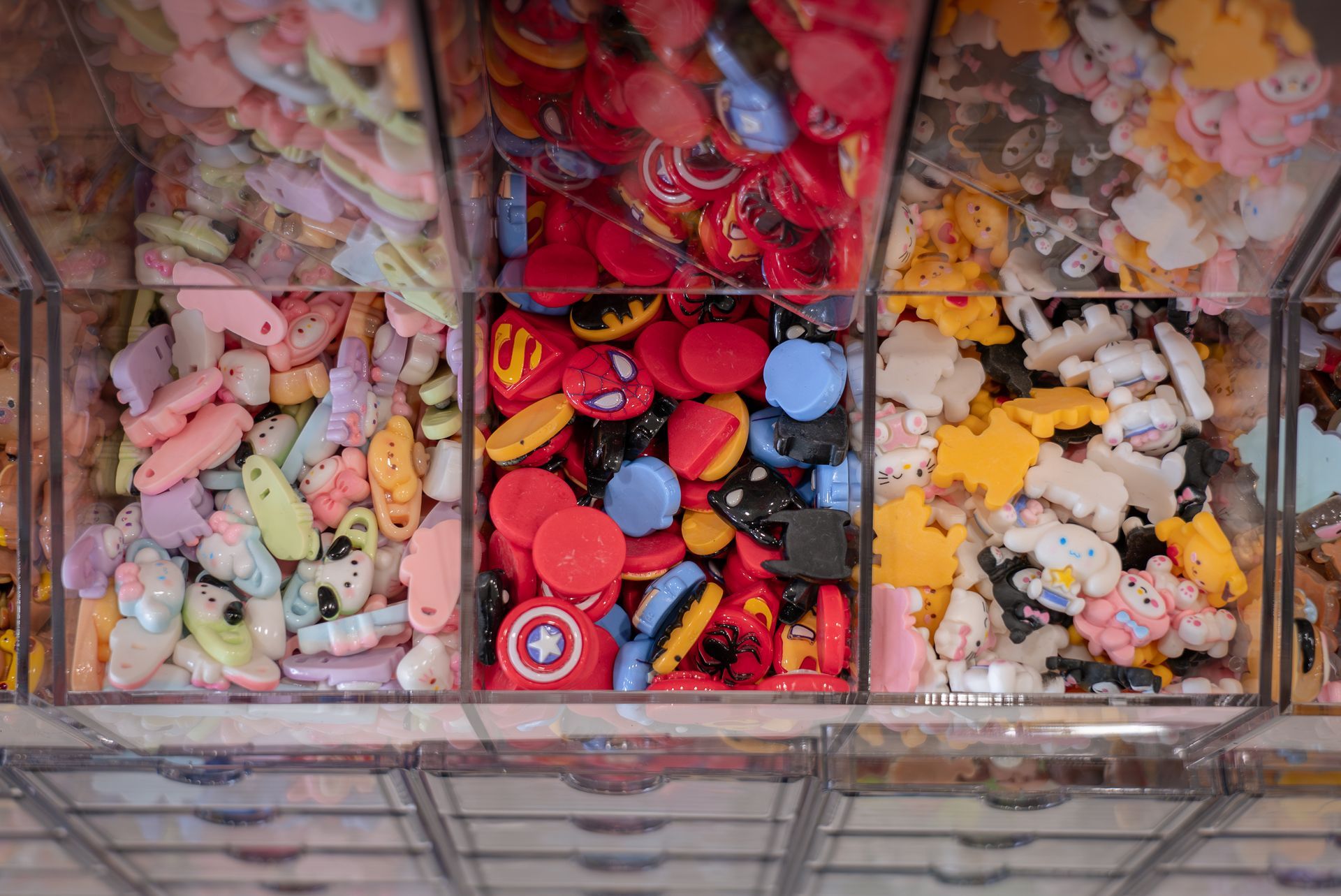
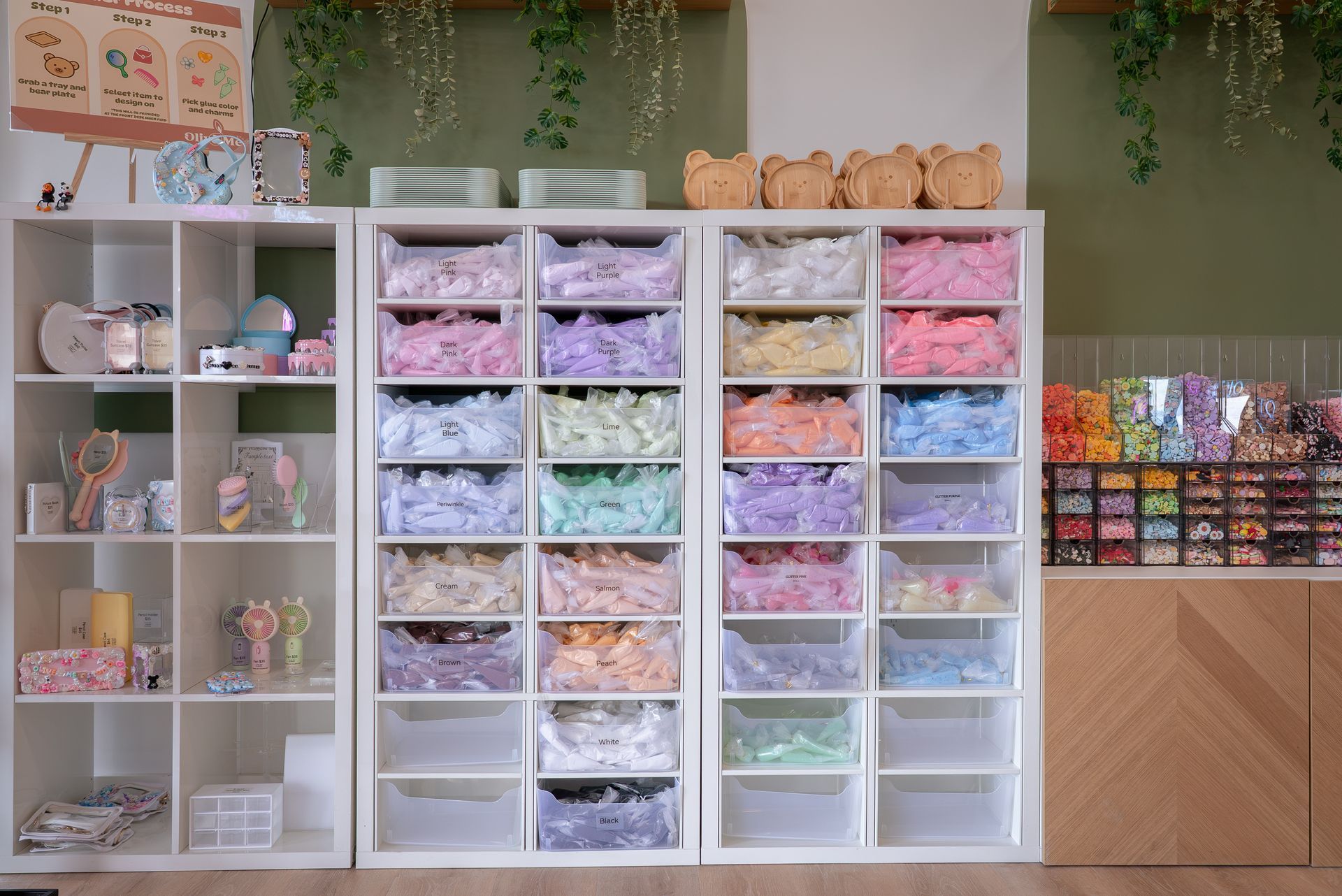
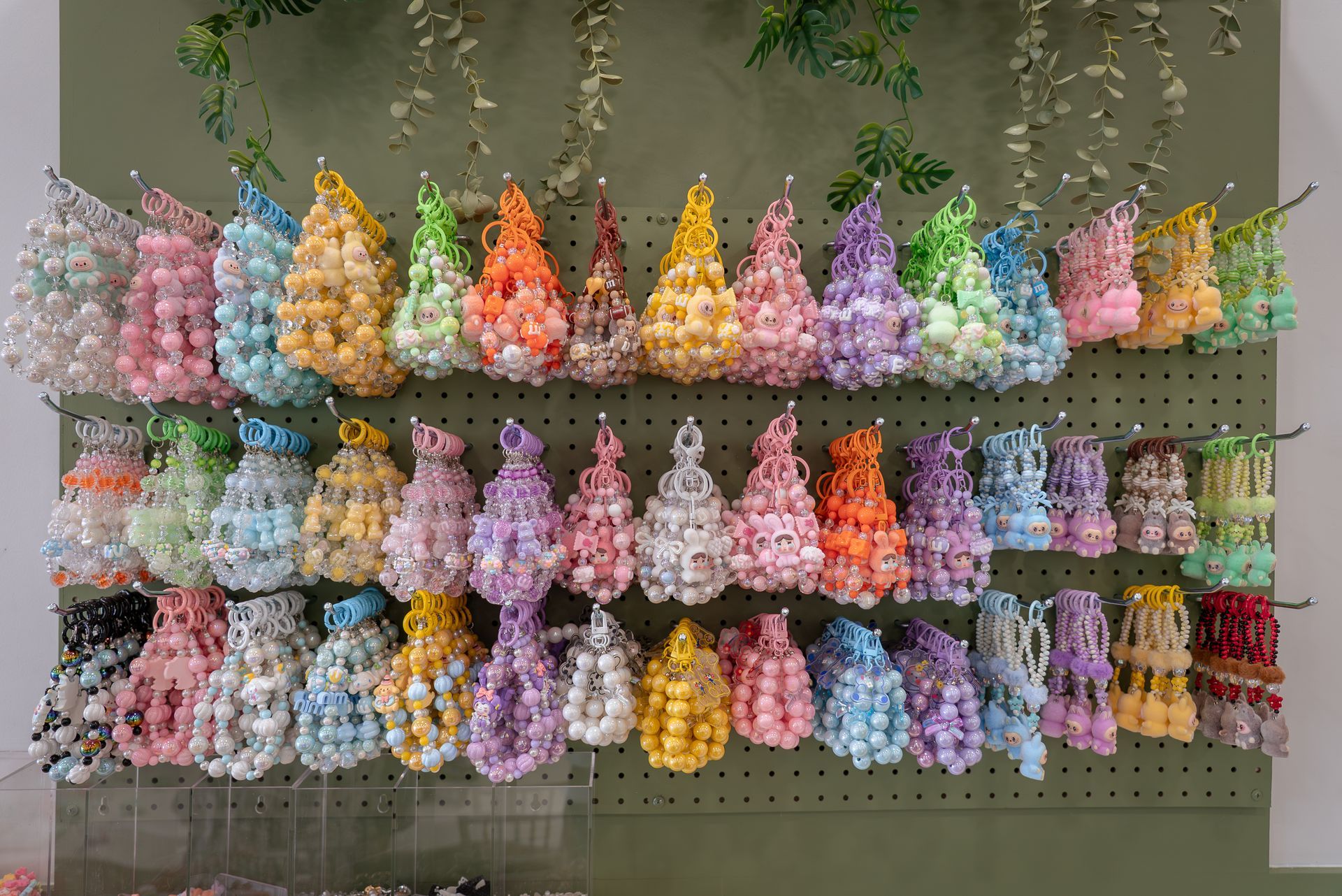
Originating from the Japanese word deko (decoration), decoden involves using colorful, whipped “cream glue” and an endless array of charms to personalize everyday objects. At Olive Me, you can design your own: cell phone cases and jewelry boxes; organizers and mirrors, purses, and custom accessories.


2. Self-Photo Studio (Coming Soon!)

In a nod to the popular “selfie studio” trends in Asia, Olive Me will soon debut an aesthetic, professional space where guests can take high-quality portraits using a remote. It provides the luxury of a professional photoshoot at a fraction of the cost, perfect for capturing any occasion with friends and family.


Whether you are looking to decompress after a long week or want to create a one-of-a-kind gift, Olive Me Studio offers the tools, the atmosphere, and the community to help you shine.


Visit Olive Me Studio (2712 S. Havana St Suite AA, Aurora, CO 80014) to experience the first decoden lounge in Colorado and rediscover the joy of creating something beautiful—all by yourself.

What is Decoden?

If you’ve seen phone cases or accessories that look like they’ve been frosted like a decadent cupcake, you’ve seen Decoden, a whimsical, over-the-top Japanese craft style of decorating accessories.


The Origins: The term is a mash-up of the Japanese words “deko” (decoration) and “denwa” (phone). It started in Japan as a way to turn plain mobile devices into elaborate, 3D works of art.


The Cream: The foundation of any Decoden project is a special silicone-based cream glue. It is piped through pastry tips—just like cake frosting—to create textured swirls, peaks, and patterns.


The Charms: Once the cream is laid down, it is adorned with “cabochons” (small, flat-backed charms). These can range from miniature sweets and flowers to glittery stars and whimsical characters.


The Result: Once the glue cures, it creates a durable, rubbery finish that keeps the charms securely in place, turning everyday items like mirrors, hair clips, and jewelry boxes into unique, tactile masterpieces.

Pro-Tips for First-Time Decoden Crafters

Ready to start your first “cream glue” masterpiece? Use these insider tips to ensure your creation looks professional and lasts a long time:


Plan Your Layout First: Once the cream glue is piped, it starts to set. Arrange your charms on your item before you apply any glue to make sure everything fits perfectly.


Practice Your Piping: If you’ve never used a frosting bag, try a few “test swirls” on a piece of scrap paper. This helps you get a feel for the pressure needed to create consistent peaks.


Start from the Edges: For a clean look, pipe your border first and work your way toward the center. This prevents you from accidentally smudging your work as you go.


Don’t Over-Crowd: While the “maximalist” look is popular, leaving a tiny bit of space between charms allows the cream texture to show through and gives the glue a better grip on the surface.


Patience is Key: Decoden cream can take 24 to 48 hours to dry completely. Avoid the temptation to touch or “test” the glue early, as it can lead to permanent fingerprints or shifted charms!


The “Toothpick Trick”: If a charm is tiny or needs precise placement, use a toothpick or tweezers to set it into the cream without disturbing the surrounding “frosting.”

Olive Me Studio Quick Facts

Address: 2712 S Havana St suite AA, Aurora, CO 80014 


Social Media: @olivemestudio


Open Hours: Mon-Thurs: 12pm to 7pm; Fri-Sat: 12pm-8pm, Closed Sunday


Concept: Colorado’s first creative craft lounge and aesthetic self-photo studio.


Core Specialty: Decoden: The East Asian art of decorating items (cases, mirrors, boxes) with “cream glue” and charms.


Meaning: A play on “All of Me,” symbolizing full self-expression and the founder’s heart for the community.


Atmosphere: Focused on peace, calm, and safety, inspired by the symbolism of the olive branch.


Origin Inspiration: Modeled after the popular crafting studios found in Korea and Japan.


Target Audience: Everyone from kids and families to individuals seeking a joyful, modern creative outlet.

Discover More Features

By Mary Jeneverre Schultz January 1, 2026
The Asian Book Bazaar on December 11, 2025, wasn’t just a marketplace; it was a high-profile gathering of some of Colorado’s most influential AANHPI literary and culinary figures, hosted by Colorado Asian Culture and Education Network at the Social Fabric Hub. The event featured a diverse lineup of creators whose work spans from award-winning children’s literature to investigative journalism and historical cookbooks.
By Jadyn Nguyen January 1, 2026
What would it look like for Asian American children to feel confident as their authentic selves? Growing up between cultures often teaches them how to make themselves smaller rather than how to belong. This question is what Sophia Siong sought to better understand. Her story is about choosing wholeness in a world that so often asks Asian Americans to diminish themselves. Sophia Siong, is a recent graduate of Regis University, who is leading community research on how Hmong Americans find belonging. Just north of Denver in cities like Westminster and Thornton is where many Hmong American families reside.  According to the Pew Research Center, 360,000 people in the United States identified as Hmong in 2023. Hmong are often seen as an ‘ethnic minority,’ which gives more reason to speak about and share their culture proudly.
By Stacey Vanhoy January 1, 2026
For more than two decades, the Nathan Yip Foundation has carried forward a legacy rooted in compassion, vision, and the belief that where a child lives should never determine what they can become. So, each year the foundation hosts a Chinese New Year Gala to raise critical funds for rural education and recognize an outstanding member of the community. Nathan Yip was just 19 years old when his life was tragically cut short in a car accident. He was Linda and Jimmy Yip’s only child, remembered for his kindness, curiosity, and deep empathy for others. While traveling in rural China, Nathan saw educational inequity firsthand, telling his parents, “We can make a difference.” Jimmy and Linda Yip transformed grief into purpose. In 2002, they founded the Nathan Yip Foundation to honor Nathan’s dream and extend hope to children in underserved communities. While the foundation’s early work focused internationally, its mission soon expanded closer to home, where rural Colorado students faced many of the same systemic inequities. Over the past ten years, the Nathan Yip Foundation has become a trusted champion for rural education in Colorado, investing more than $1.4 million in locally driven initiatives. These investments have modernized science labs, expanded career and technical education, and strengthened arts and creative programs. Rural school districts across Colorado face compounding challenges: shrinking tax bases, declining enrollment, persistent teacher shortages, limited access to advanced coursework, and reduced mental health and student support services. These pressures stretch already-limited resources and force difficult tradeoffs, even as educators remain deeply committed to their students and communities. Beginning this year, the foundation is launching a multi-year grant model that will support 5–7 rural school districts in its first cohort. These sustained partnerships are designed to create deeper, more lasting impact that will empower teacher-led, district-supported teams to design innovative solutions aligned to local needs. The response has been extraordinary, with 46 rural school districts applying and requesting more than $3.4 million in funding. This level of demand underscores the depth of need across rural Colorado. That is why the 2026 Chinese New Year Gala is more important than ever. The gala will raise the funds needed to expand the foundation’s capacity.  This year’s gala will honor Dr. Larry Chan for his extraordinary service to the Nathan Yip Foundation as a founding board member, and his 40 plus years to the University of Colorado School of Medicine. Dr. Chan embodies the values of service, generosity, and leadership that define this work.