The Nathan Yip Foundation: Making a Difference in Rural Colorado Schools
Stacey Vanhoy • January 1, 2026

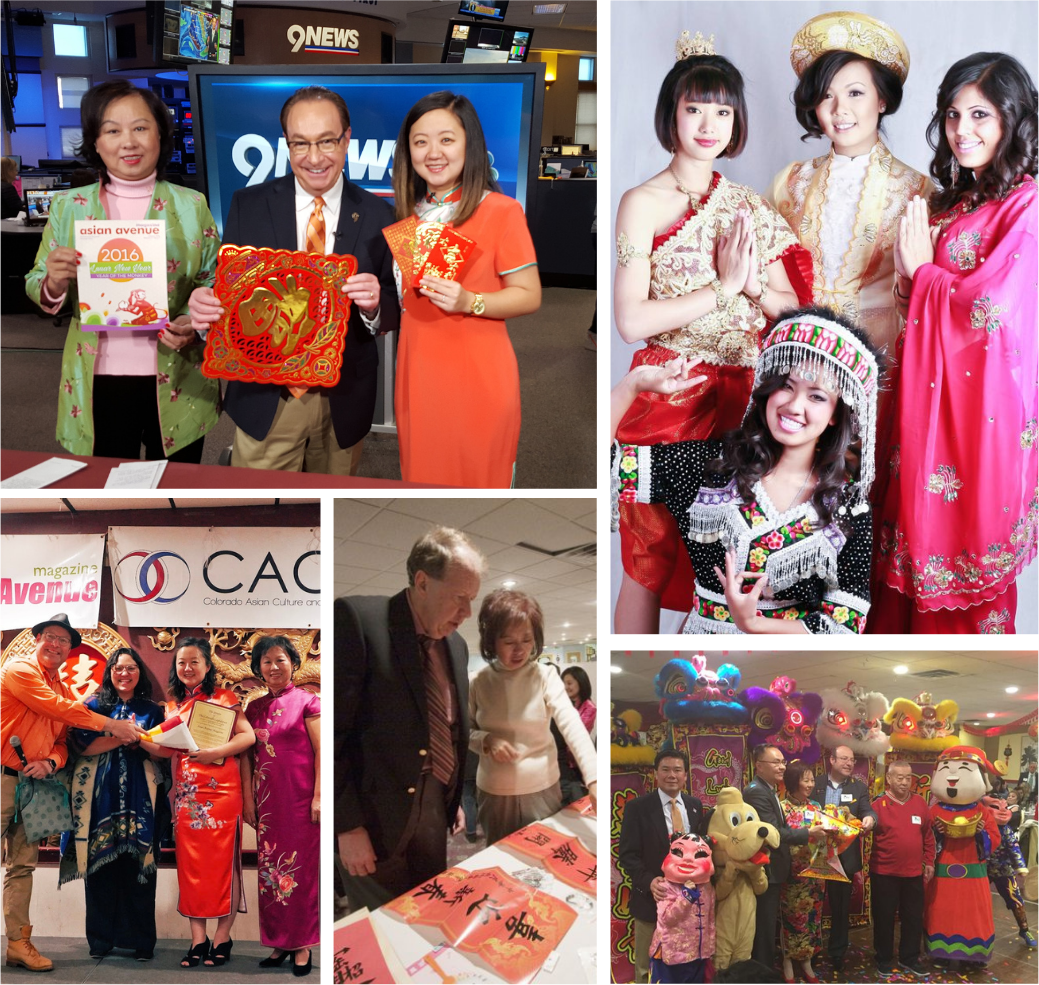
For more than two decades, the Nathan Yip Foundation has carried forward a legacy rooted in compassion, vision, and the belief that where a child lives should never determine what they can become. So, each year the foundation hosts a Chinese New Year Gala to raise critical funds for rural education and recognize an outstanding member of the community.  


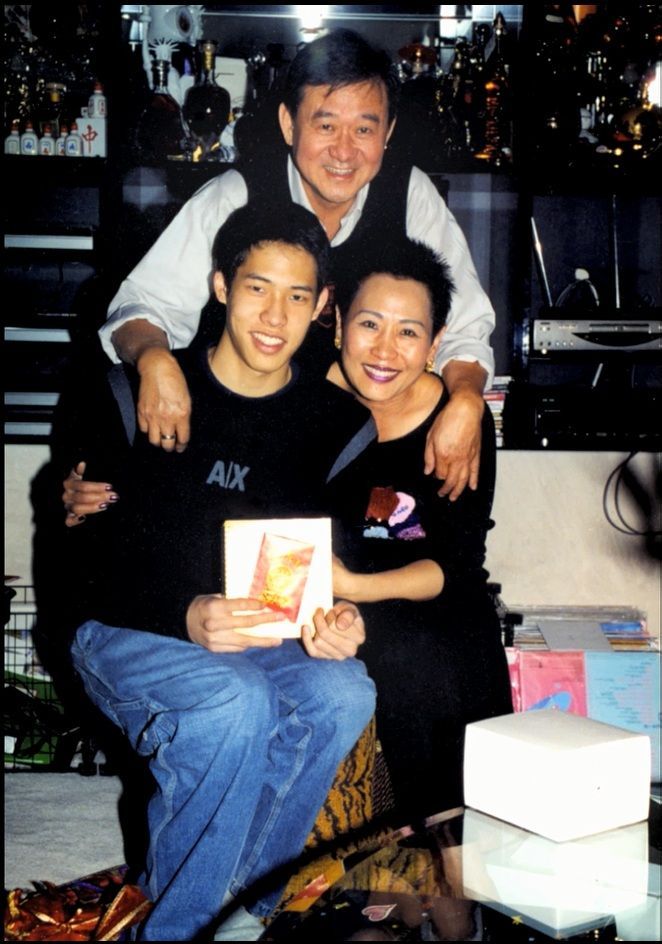
Nathan Yip was just 19 years old when his life was tragically cut short in a car accident. He was Linda and Jimmy Yip’s only child, remembered for his kindness, curiosity, and deep empathy for others. While traveling in rural China, Nathan saw educational inequity firsthand, telling his parents, “We can make a difference.” 


Jimmy and Linda Yip transformed grief into purpose. In 2002, they founded the Nathan Yip Foundation to honor Nathan’s dream and extend hope to children in underserved communities. While the foundation’s early work focused internationally, its mission soon expanded closer to home, where rural Colorado students faced many of the same systemic inequities. 


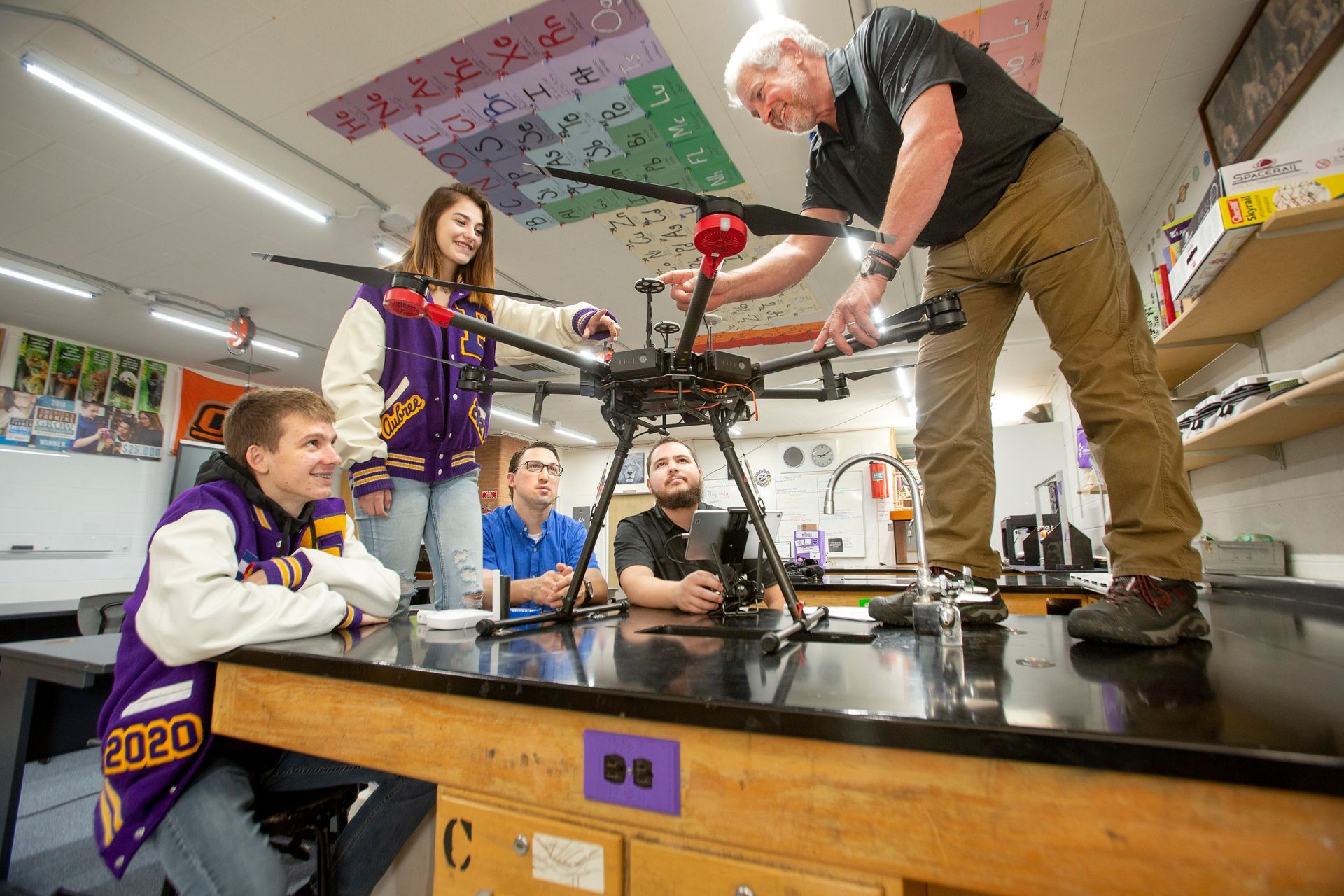
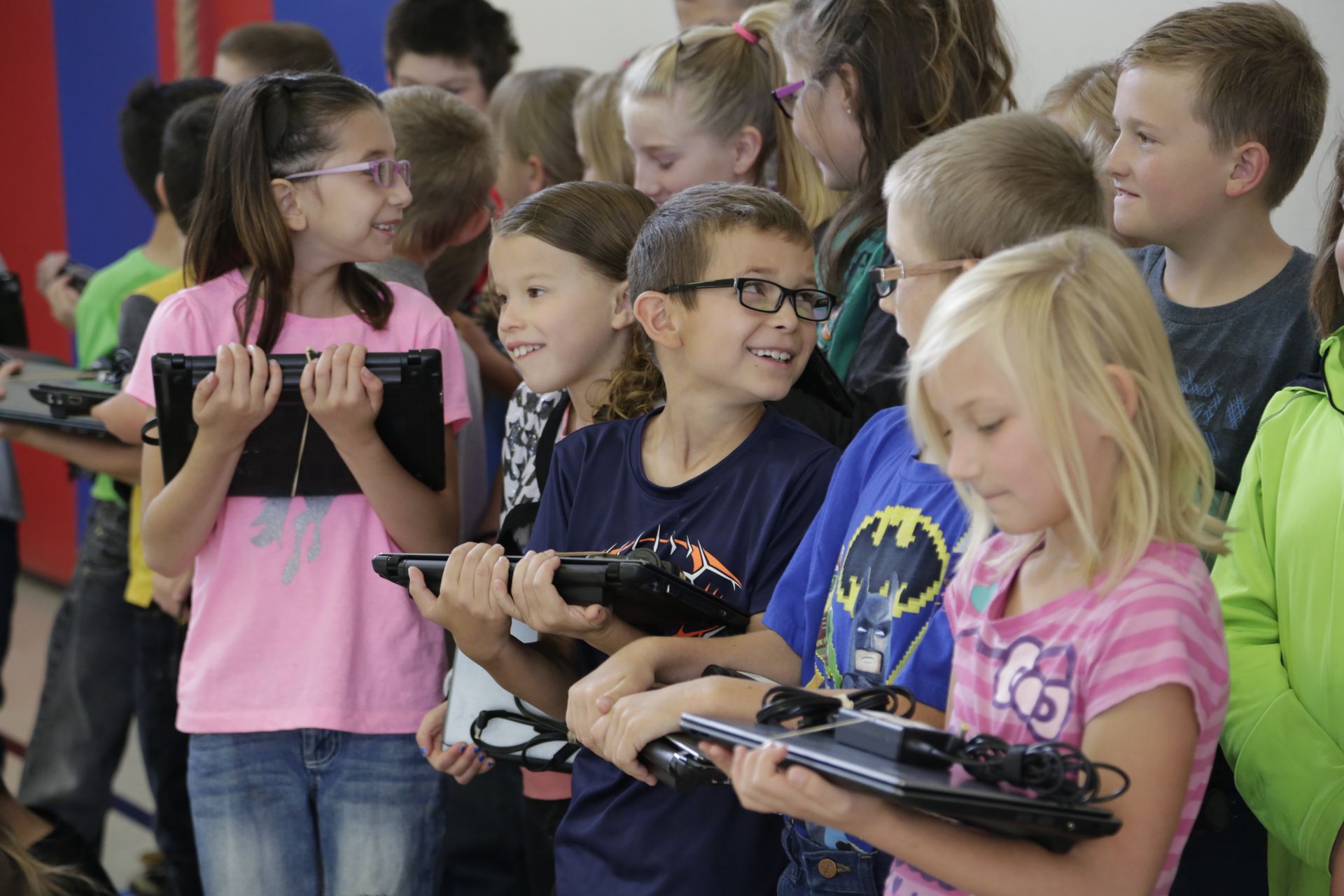
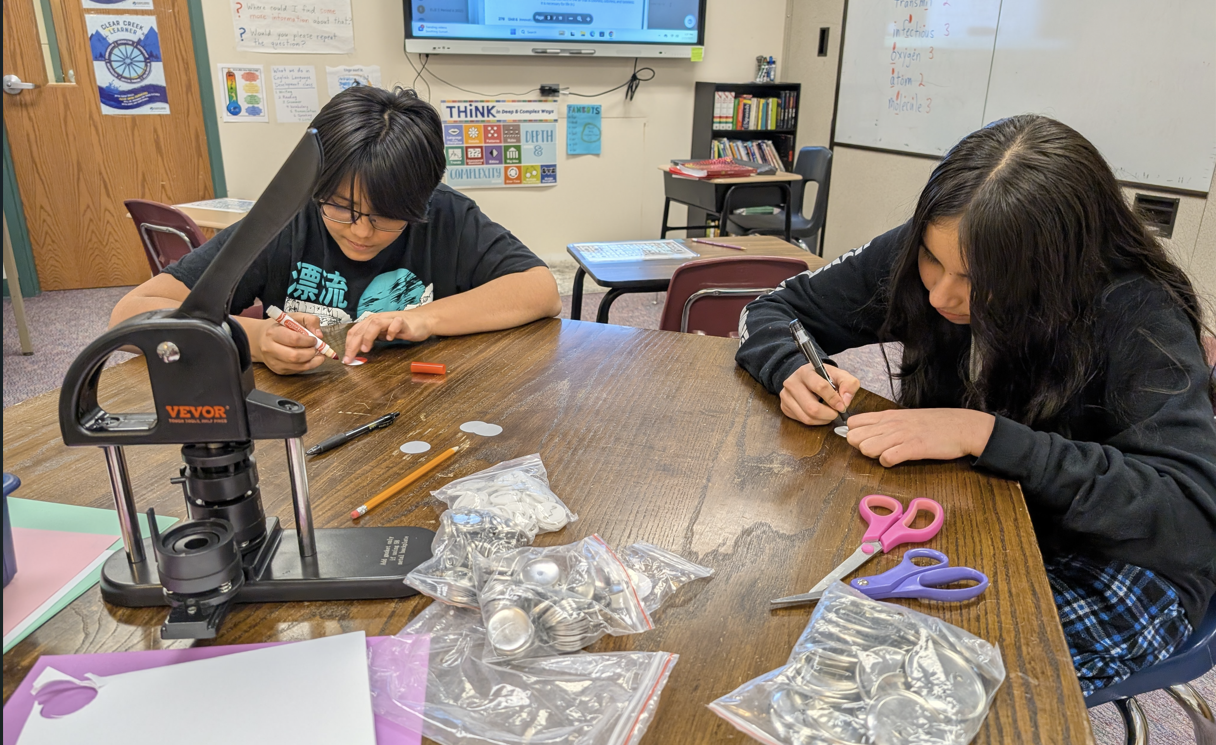
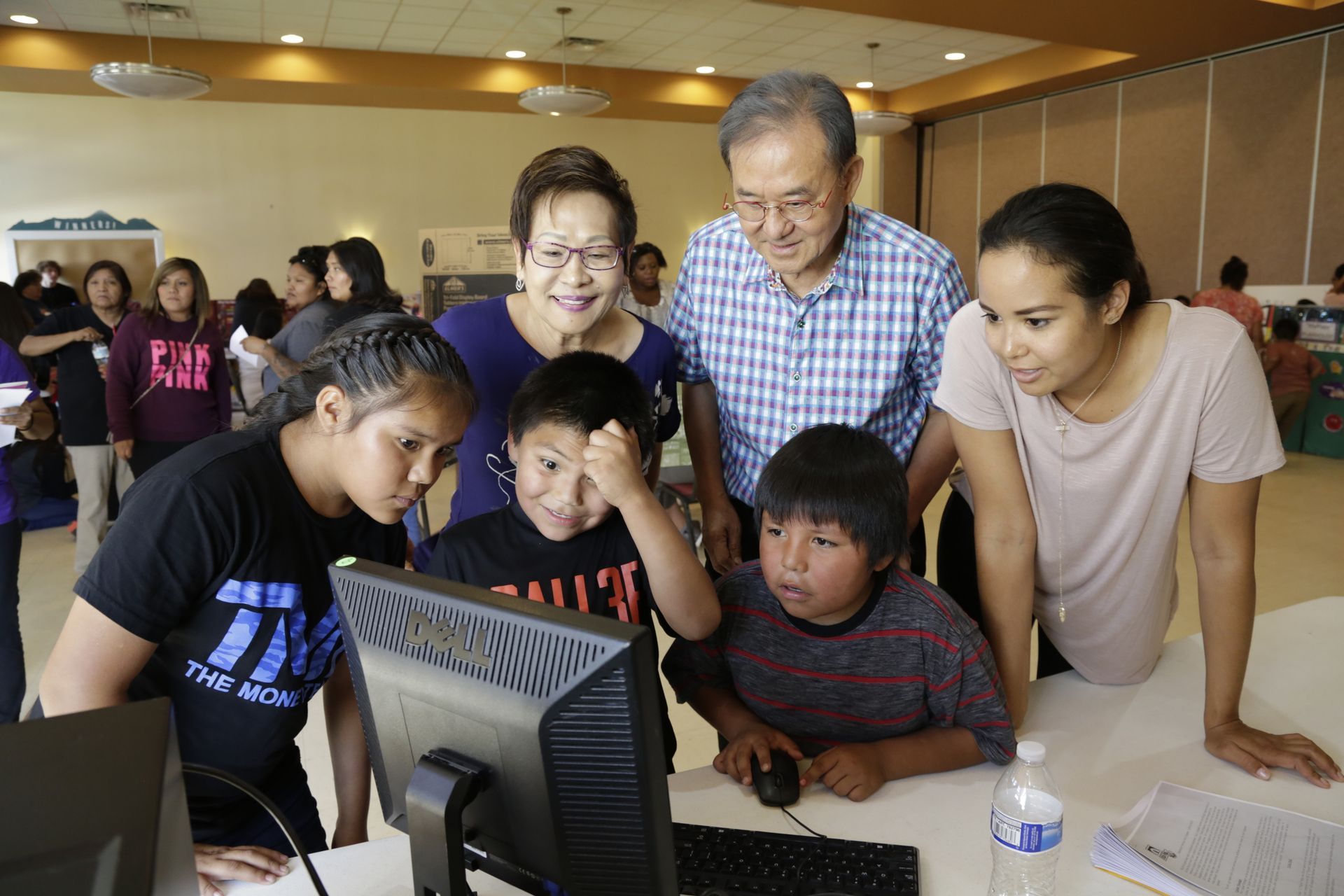
Over the past ten years, the Nathan Yip Foundation has become a trusted champion for rural education in Colorado, investing more than $1.4 million in locally driven initiatives. These investments have modernized science labs, expanded career and technical education, and strengthened arts and creative programs.  


Rural school districts across Colorado face compounding challenges: shrinking tax bases, declining enrollment, persistent teacher shortages, limited access to advanced coursework, and reduced mental health and student support services. These pressures stretch already-limited resources and force difficult tradeoffs, even as educators remain deeply committed to their students and communities. 


Beginning this year, the foundation is launching a multi-year grant model that will support 5–7 rural school districts in its first cohort. These sustained partnerships are designed to create deeper, more lasting impact that will empower teacher-led, district-supported teams to design innovative solutions aligned to local needs. 


The response has been extraordinary, with 46 rural school districts applying and requesting more than $3.4 million in funding. This level of demand underscores the depth of need across rural Colorado.  


That is why the 2026 Chinese New Year Gala is more important than ever. The gala will raise the funds needed to expand the foundation’s capacity. 


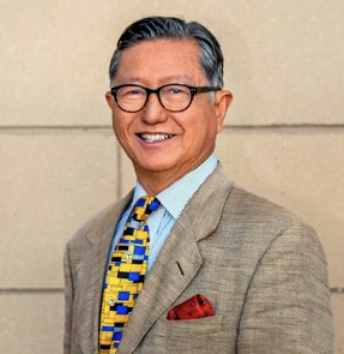
This year’s gala will honor Dr. Larry Chan for his extraordinary service to the Nathan Yip Foundation as a founding board member, and his 40 plus years to the University of Colorado School of Medicine. Dr. Chan embodies the values of service, generosity, and leadership that define this work. 

Smiling man wearing glasses, patterned tie, suit jacket, and a pocket square.

Empowering teachers. Elevating students. Strengthening schools.

Join the Nathan Yip Foundation at this year’s Chinese New Year Gala (Year of the Horse) to help continue the mission of changing the lives of rural Colorado students. 


This celebration is certain to be an unforgettable evening with Lion Dancers. a traditional Salad Toss (to bring good luck), a fantastic family-style Asian-inspired meal, unique auction items, and a Night Market.  


February 21, 2026, 5:00 p.m. 

Denver Marriott Tech Center 

4900 S Syracuse Street 


Tickets need to be purchased 

in advance at:

nathanyipfoundation.org/events/chinese-new-year-party

Discover More Features

By Ashtonn Means April 1, 2026
Rocky Mountain Public Media , the home of Rocky Mountain PBS, KUVO Jazz, and TheDrop303 has a partnership with Colorado Ethnic Media Exchange to launch this monthly essay series, as part of our vision to co-create a Colorado where everyone feels seen and heard. These stories are sourced from community members across the state—told in their own words and selected from our 64-county community ambassador program. They are not editorial products of our journalism team, but are first-person reflections on life in Colorado - building bridges through empathy. Learn more about all of our brands and content at www.rmpbs.org/about .
By Gil Asakawa April 1, 2026
When people discover Boxtastic at Denver International Airport, they’re often drawn in by the bright displays, colorful characters, and the excitement of opening a “blind box.” Behind that experience is Michael Ye, quietly building and shaping the vision of Boxtastic alongside his wife, Mimi Luong Ye. While Mimi is often the face of the brand—connecting with the community, sharing stories, and bringing energy to events—Michael is the one carefully crafting what Boxtastic is becoming. In 2024, he noticed a growing trend while running their family gift shop, Truong An Gifts, in Denver. Labubu dolls made by Pop Mart, a Beijing-based toy company, had become an explosive fad. Pop Mart sells the line of various Labubus in a “collect them all” ethos of blind boxes, in which the exact item inside is a surprise until it’s open. Then consumers keep buying them to collect the other ones. Labubus became Pop Mart’s biggest worldwide hit. After Truong An’s Labubu popularity and long lines waiting outside their gift shop door caught the attention of Denver International Airport, the Ye’s came up with Boxtastic, which was more open-ended and not tied to just the Labubu fad. Like a spinoff for a hit television show, Boxtastic, is inspired by the blind boxes that generate repeat purchases.  “It’s kind of become the thing that I love,” Ye says of the Truong An-inspired world of retail. “And Boxtastic is just a version of that. It’s a spin-off.”
By Dr. Esther Park April 1, 2026
For Dr. Esther Park, the path to becoming a psychologist wasn’t linear—it was deeply personal. Like many children of immigrants, she grew up with a clear expectation: become a doctor or a lawyer. “For a while, I believed I would be a pediatrician,” she recalls. “But on the first day of organic chemistry in college, I quickly realized medical school wasn’t for me.” What followed was a quiet but powerful shift. Park gravitated toward psychology, initially without a clear end goal. “Looking back, I can see that I was drawn to it for deeply personal reasons,” she says. “There was something I wanted to understand about myself, my upbringing, and the dynamics that shaped me.” That curiosity eventually led her to earn a doctorate in clinical psychology and continue her training at the Denver Institute for Psychoanalysis. Dr. Park describes her identity as a 1.5 generation Korean American as central to her work. “I understand, intimately, what it feels like to belong and to feel ‘other’—sometimes in the very same moment,” she explains. Holding both Western and Korean values has created what she calls a “dual identity,” shaped by autonomy and self-definition on one hand, and sacrifice, duty, and collective identity on the other. This duality brings both gratitude and grief. “I carry gratitude for the immense sacrifices my parents made… But I also carry a lot of grief. The grief of recognizing that my freedom is, in many ways, built on their limitation.” These layered emotions inform how she approaches her patients—with nuance, curiosity, and compassion. “I don’t see mental health symptoms in isolation. I see them within cultural systems, generational trauma, and the psychological weight of belonging.” Dr. Park emphasizes that many mental health challenges—like anxiety, depression, and perfectionism—are often rooted in intergenerational experiences. “We do not start from scratch,”she says. “We are shaped not only by our own experiences, but by the emotional histories of the generations before us.” In immigrant families, survival stories often translate into internal pressures: achieve, don’t fail, make it worth it. “These messages are often rooted in love,” she adds, “and yet, they can become internal pressures that shape identity in profound ways.” Starting her own private practice was another intentional step in reclaiming autonomy. “I wanted the freedom to build a practice that reflected my values,” Park says. “My parents immigrated to this country without the luxury of time…Because of that, I’ve come to see time as one of the most valuable forms of wealth.” Her work, grounded in psychodynamic and psychoanalytic therapy, goes beyond symptom relief. It invites deeper self-exploration and lasting change. “Many of the individuals I work with are interested in understanding themselves at a deeper level—not only to improve their own lives, but to change patterns that may have existed across generations.” It gives Dr. Park hope that “more individuals are beginning to ask deeper questions about themselves—not just what they feel, but why.” She hopes more people can see self-understanding not as a weakness, but as courage.