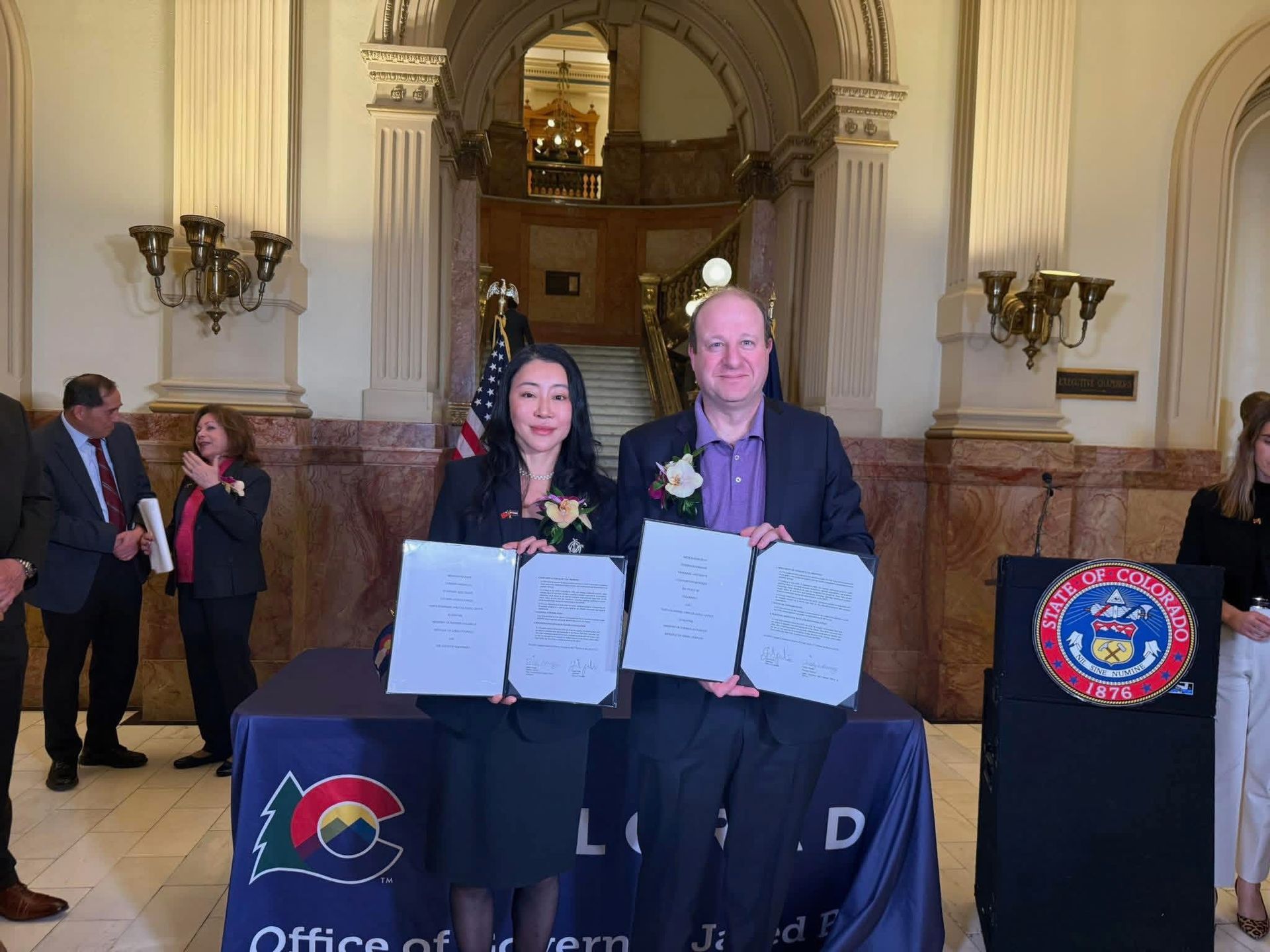
Whether she is meeting with a governor, visiting a university, talking with business leaders or attending a community festival, Director General Debby Huang has a consistent goal: connect people with Taiwan. As Director General of the Taipei Economic and Cultural Office (TECO) in Denver, Huang represents Taiwan across a six-state region that includes Colorado, Kansas, Missouri, Nebraska, North Dakota and South Dakota. Her responsibilities range from government and economic relations to education, cultural exchange, community engagement and consular services. But at the heart of her work, she says, is helping people understand Taiwan—and recognizing the many ways Colorado and Taiwan can work together. “My goal is to help people better understand Taiwan and identify areas where we can work together,” Huang said. Huang wants people to know that Taiwan is not a distant partner. Taiwan is here to help, and TECO Denver can help build the connections across communities. “If you are interested in Taiwan, you should visit,” she said. “Do business, study in Taiwan, visit Taiwan—you can come to us to better understand Taiwan’s role in the world.”
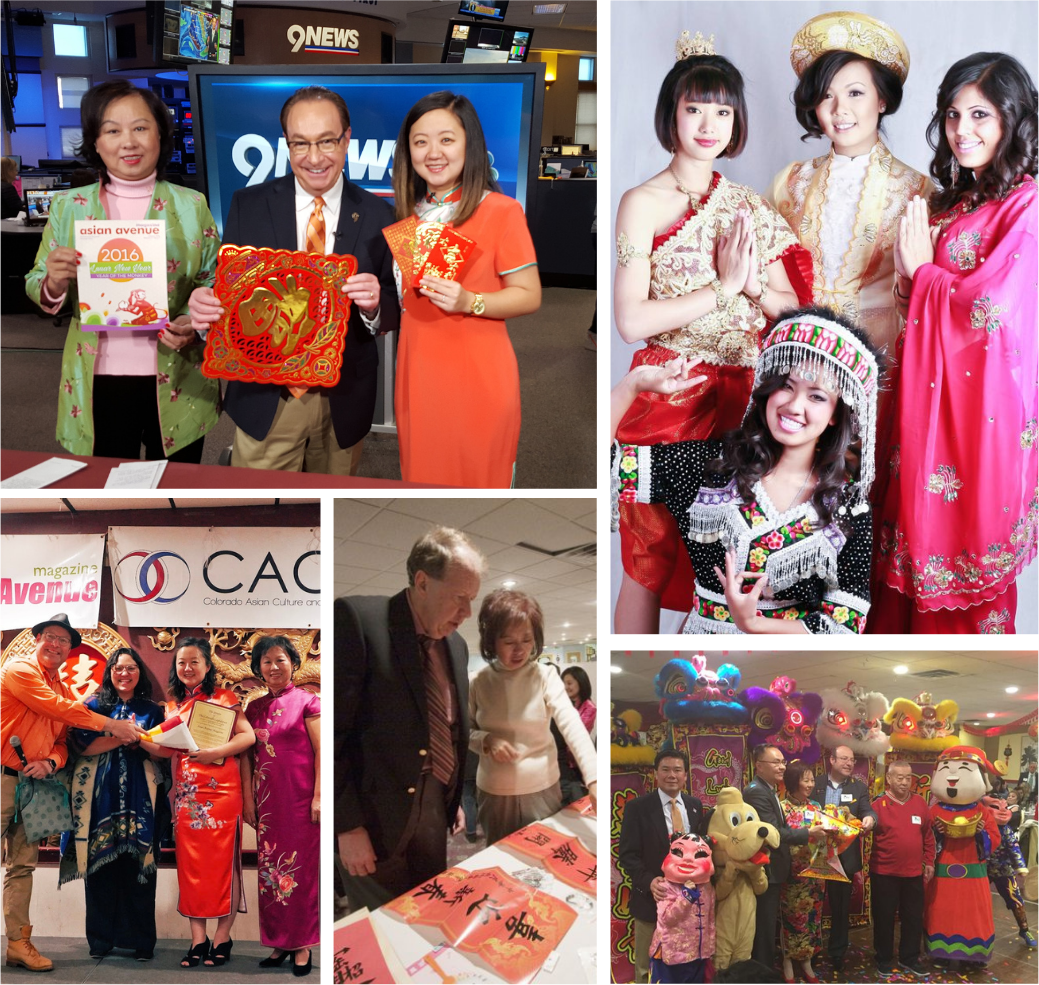
In 2006, before Instagram, before TikTok, and before “AANHPI” became part of mainstream conversations, there was a simple but powerful idea: Colorado’s Asian American community deserved to be seen. That idea became Asian Avenue Magazine . What started as a grassroots publication has grown over the past twenty years into a platform that has celebrated culture, amplified voices, supported local businesses, and documented the stories of Colorado’s Asian American, Native Hawaiian, and Pacific Islander (AANHPI) communities. At the time, there were few spaces where Asian Americans in Colorado could consistently see themselves reflected in local media. Community events often spread through word of mouth. Cultural organizations worked in their silos. Businesses had limited ways to reach Asian audiences. And many second- and third- generation Asian Americans were still searching for a stronger sense of identity and belonging. Asian Avenue became a connector. Issue after issue, the magazine highlighted community leaders, artists, entrepreneurs, nonprofits, students, restaurants, festivals, and families. It celebrated milestones and traditions while also addressing difficult conversations around identity, mental health, representation, immigration, and belonging. As we celebrate 20 years of the magazine next month (July 2026), we have seen how the publication has evolved alongside the community itself. What began primarily as a print magazine expanded into community events, partnerships and connections across Colorado. The growth reflected a larger transformation happening nationwide: AANHPIs becoming more visible, more vocal, and more engaged in civic and cultural life. This looked like young women becoming lifelong friends through the Miss Asian American Colorado Leadership Program, organizing high school student conferences with Next Generation Voices, bringing people together to try new restaurants with the Joy of Living Club, and many, many Lunar New Year dinner celebrations over the years! For many readers, Asian Avenue was more than a magazine. It was where they discovered local events, found businesses, celebrated achievements that mainstream media often overlooked, and felt connected to something larger than themselves. It was the first publication they grabbed when landing at the DEN airport. The past twenty years have not been without challenges. Print media has faced enormous changes with increases in paper and gas, and less advertisers as businesses move towards digital. During the COVID-19 pandemic and the rise in anti-Asian hate incidents, the importance of trusted community storytelling became even more clear. Through it all, Asian Avenue continued to show up — not just as a publication, but as a community platform. Thank you to the readers who picked up the very first issues in 2006. To the advertisers who supported us. To the writers, photographers, interns, volunteers, and community partners who contributed their voices and talents. And to the countless individuals and organizations whose stories filled these pages over the years.
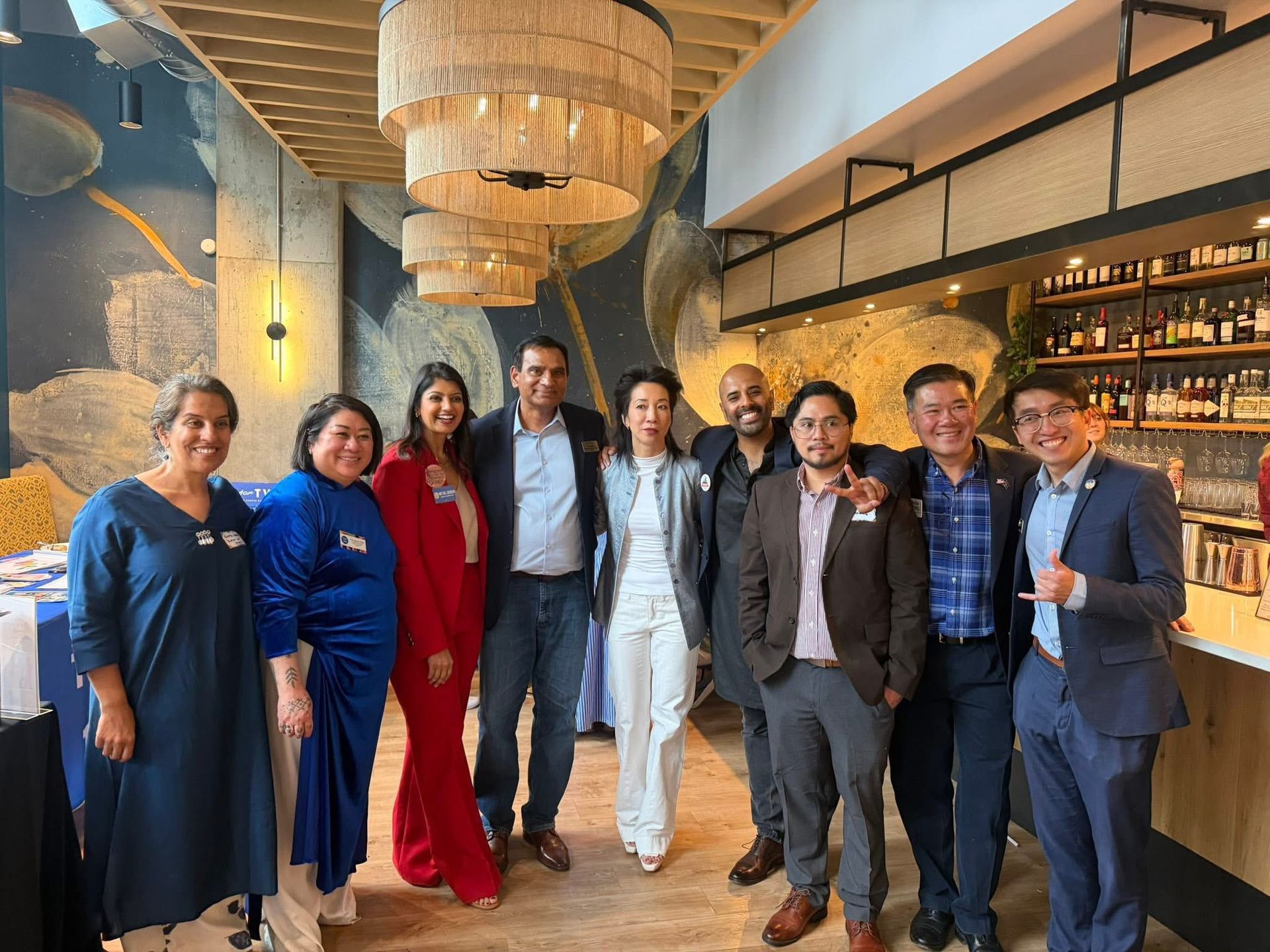
Meet Colorado’s Asian American candidates, Dr. Alexander Africa, Hetal Doshi, & Kenny Nguyen. Learn about their advocacy for community engagement.