One of Colorado’s Few Lao Food Vendors, Nancy Souksavath Is Baking Her Family’s Memoir
Jadyn Nguyen • March 1, 2026

"Every dish we serve at Sweet Rice Flour is more than just food; it’s my family memoir. Each dish is an opportunity for me to showcase Laotian people, culture, cuisines and desserts."

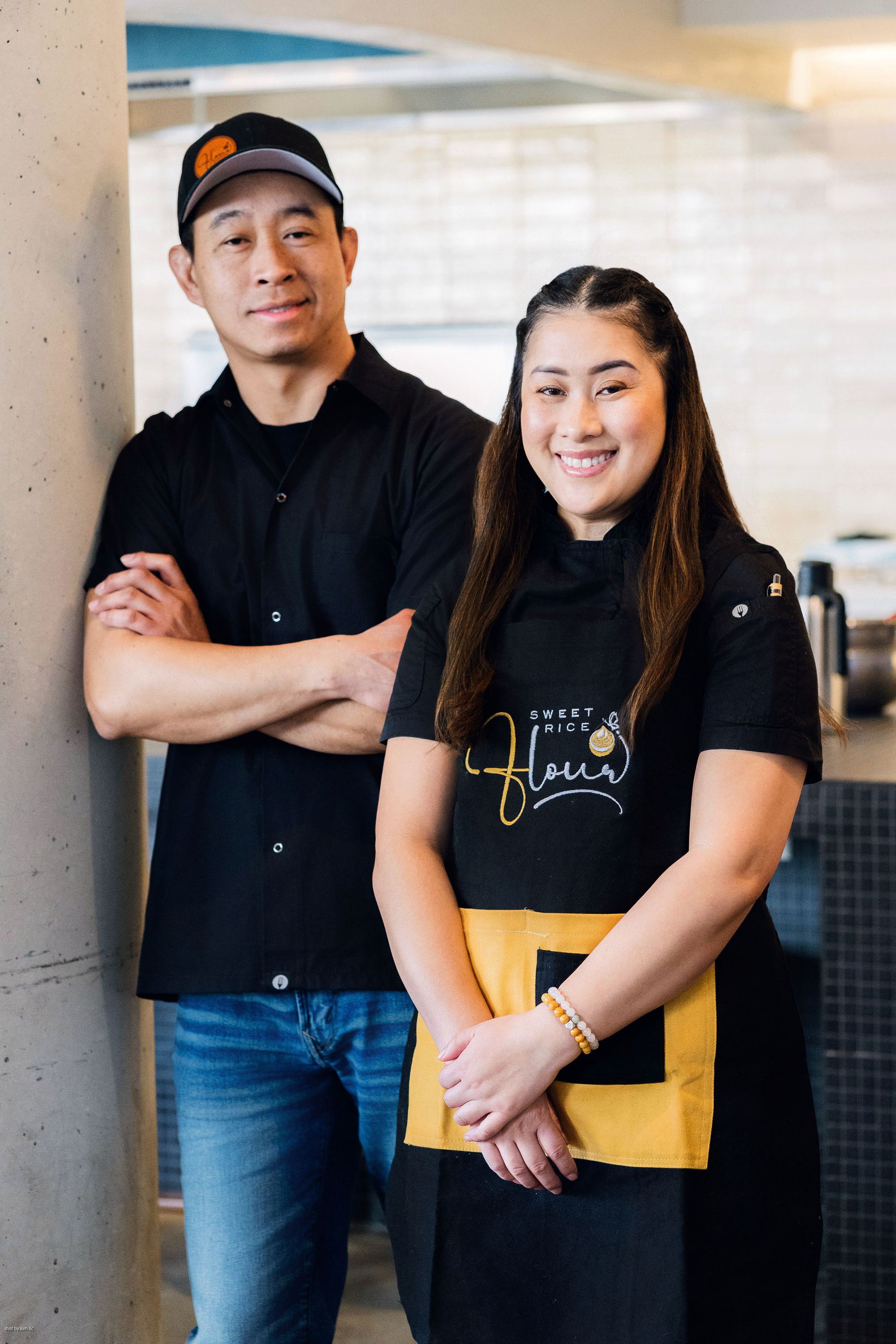
A proud Lao woman who has overcome life-altering challenges, Nancy Souksavath is the heart behind Sweet Rice Flour. She is the founder, owner, and chef of Sweet Rice Flour (SRF).


As a daughter, sister, wife, woman, leader, and Asian American entrepreneur, she is known simply as the “caretaker” — a role she carries with pride. An immigrant from Laos, Nancy shares, “I was born in a refugee camp in Thailand after my parents and older brother were forced to flee Laos during the communist Vietnamese invasions. My family emigrated to the United States when I was about three years old.”


Nancy’s journey is anything but ordinary. Her path to entrepreneurship has been shaped by resilience, sacrifice, and deeply rooted cultural values. Growing up, she listened closely to her parents’ wisdom. “My mom would always say she had to teach me everything she knew before she passed, so that when I got married, my mother-in-law would be pleased with my knowledge,” Nancy recalls.


Those early lessons in responsibility would later become the foundation of both her life and her business.


Like many Asian parents, Nancy’s mother and father wanted stability and security for their children. But as the only daughter with two brothers, Jimmy and Lucky, Nancy felt the weight of stricter expectations.


“I was limited to housework and cooking. I couldn’t wear makeup or have a boyfriend,” she recalls. “So I focused on my studies and became the ‘honorary Asian daughter.’” When she questioned why her brothers had more freedom, the answer was simple: “Because they’re boys.” Her parents feared that a young woman’s mistakes would be judged more harshly.


Growing up in Aurora, it was her grandfather, who sponsored their family’s journey to America. In Lao culture, extended family is honored as immediate family — and Nancy’s parents often reminded her that their future would not have been possible without him.


At the local flea market, Nancy helped her grandparents sell toys, setting up tables and learning the basics of business. In return, her grandmother would treat her to a turkey leg or ice cream. Today, as she sets up SRF at vendor markets across Colorado, those early lessons in entrepreneurship and community continue to guide her.

Nancy’s passion is rooted not only in skill, but in service. She watched her mother volunteer as a tax preparer, translator, homebuyer advisor, and disability claims helper for the Laotian and Lao Lue community — modeling a life centered on care and giving back. 


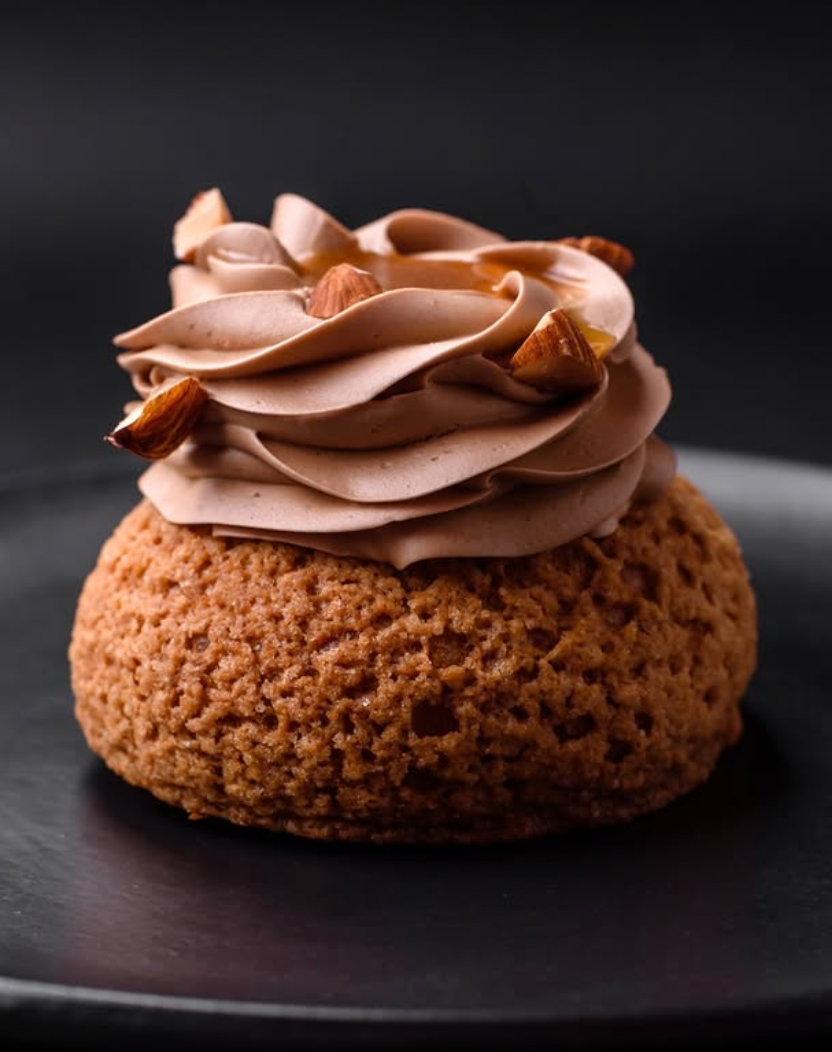
Starting SRF was no small feat, but Nancy had endured far greater challenges. Teaching herself to master her signature pâte à choux required persistence. “I threw away batch after batch,” she recalls. “I didn’t go to culinary school — I was teaching myself. Two weeks later, I tried again. It worked. At least it rose gracefully that time.”


Nancy and her husband, Tho, built their business through consistency. “We participated in every event in Colorado — small or large, worthwhile or not.”


But this eventually took a toll on her. After October 2025, Nancy chose to step back intentionally — to sit in silence, meditate, forgive, refocus, and set clear intentions for the year ahead. With a strong support system behind her, Nancy was able to pause and create clearer intentions for her time.


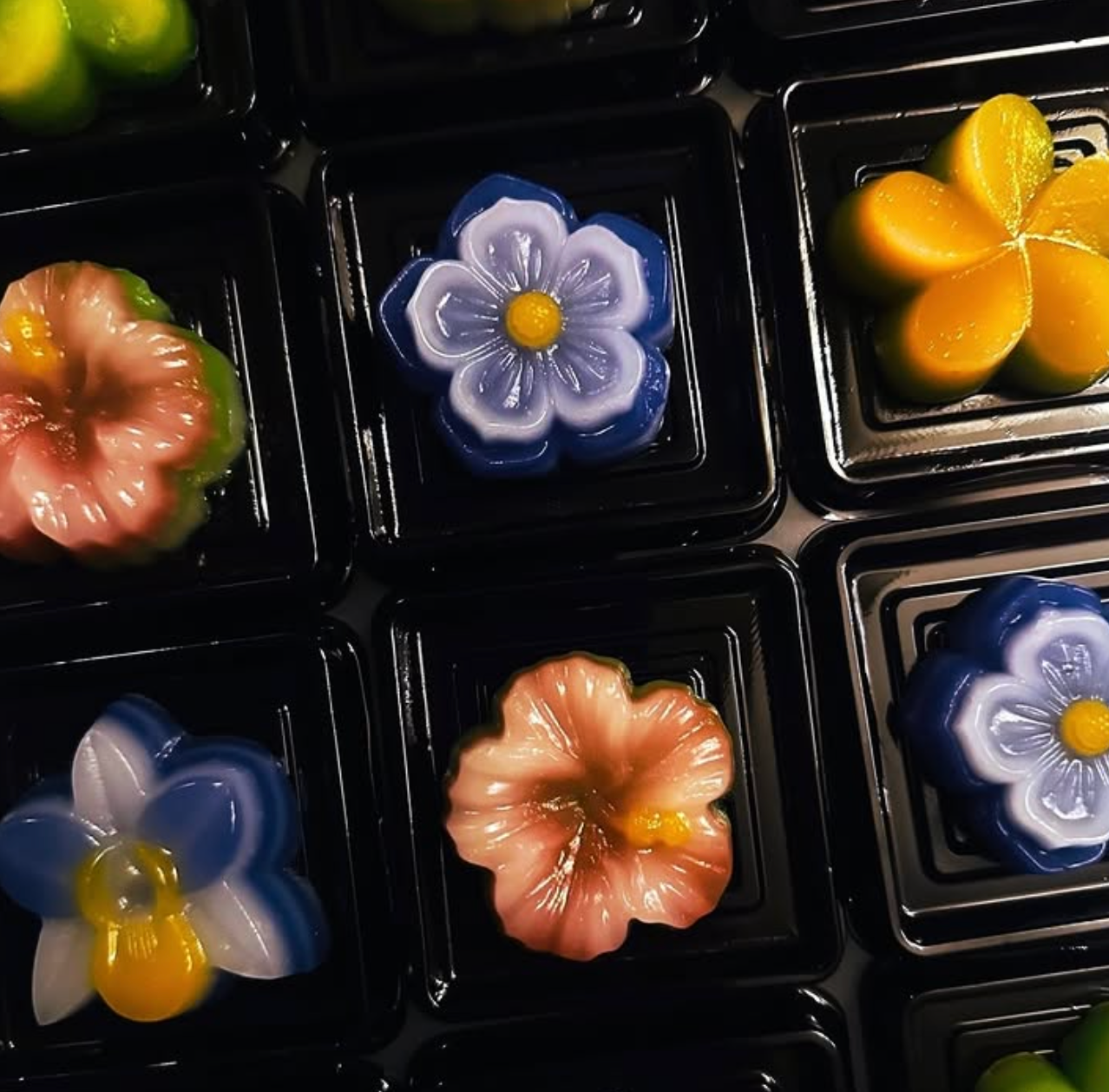
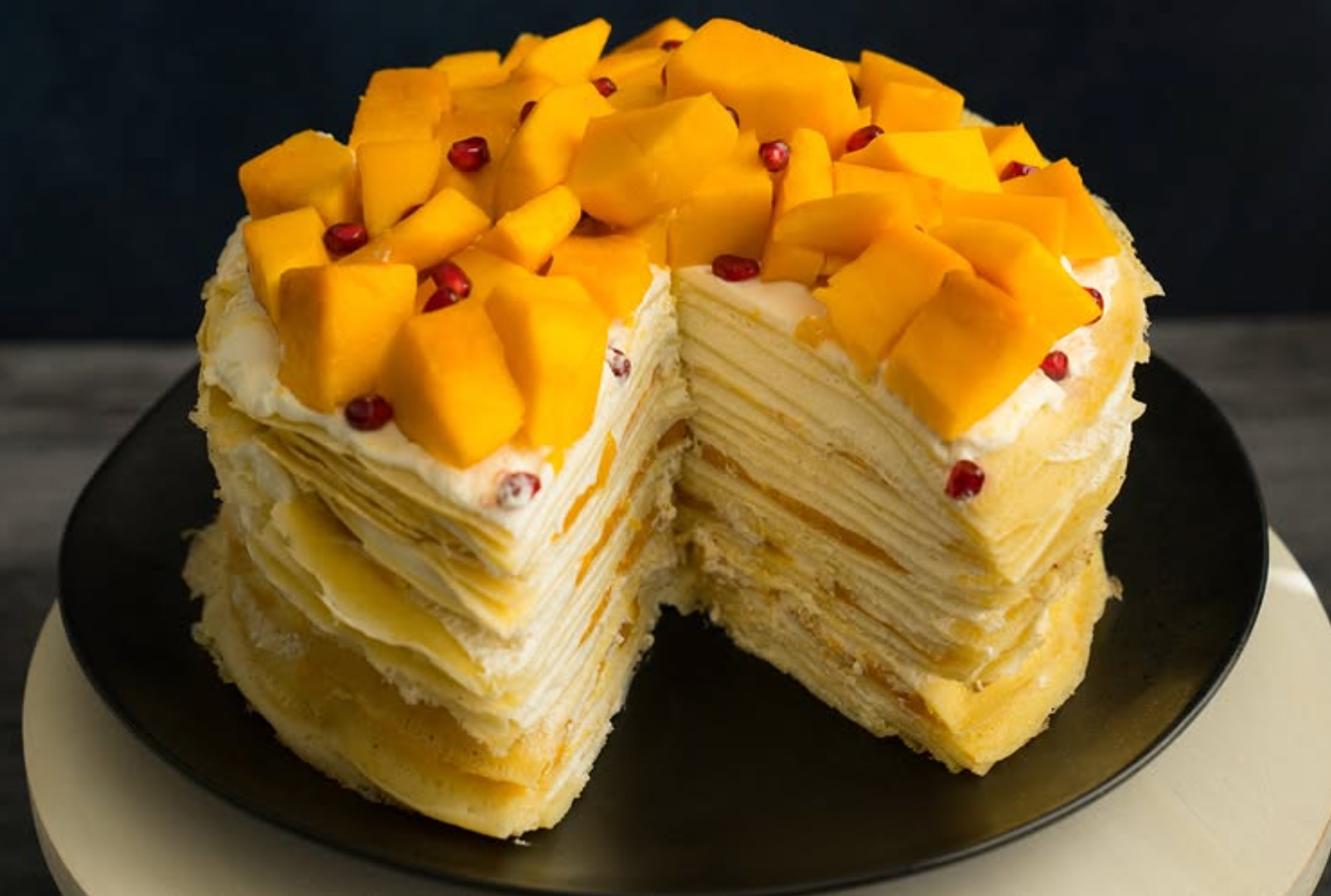
Today, SRF remains one of the few Lao food vendors in Colorado, and Nancy serves her culture proudly. “Mom used to tell me it’s not the ingredients or technique that make a dish authentic — you make it authentic,” she says. Every dish is a reflection of her family story and an opportunity to showcase Laotian culture, cuisine, and desserts.


SRF offers what Nancy calls the true flavors of Laos — bold, spicy, unapologetically funky, and deeply rooted in tradition.


Laos is a small landlocked country in Southeast Asia. During the Vietnam War era, it became the most heavily bombed country per capita in the world.


Today, the Laotian American population in the United States remains relatively small, numbering roughly 245,000 people. That is why representation matters.


Leaders like Nancy Souksavath embody the resilience, creativity, and cultural pride of the Lao community. People are more than the wars and displacement that shape their history — they are daughters, visionaries, caretakers, and entrepreneurs.


For second-generation Laotian Americans still learning how to embrace their identity, Nancy offers this advice: “Don’t be afraid of your Lao identity. Give yourself permission to stay curious. To keep moving. To adventure. To be free. Most importantly, your voice matters — whether people like what you say or not. Your creativity has value, whether it’s celebrated or not. Your identity isn’t the applause. It’s the authentic act of expressing what’s yours to express.”


For Nancy, opening her bakery is how she chooses to be proud of her Laotian culture and heritage: “For me this was why I chose to open a bakery because I chose the challenge. Not to silence myself, but to teach myself that my voice and love for my Lao culture, my family, our family recipes – my voice and authenticity can’t be taken from me unless I give it away.”


“Sweet Rice Flour transforms me into someone who expresses authentically no matter what. Someone who creates from truth instead of fear.”


In every pastry she serves, Nancy shares the resilience and beauty of her Lao heritage.

Sweet Rice Flour

sweetriceflour.com

Instagram: @sweetriceflourllc

Discover More Features

By Ashtonn Means April 1, 2026
Rocky Mountain Public Media , the home of Rocky Mountain PBS, KUVO Jazz, and TheDrop303 has a partnership with Colorado Ethnic Media Exchange to launch this monthly essay series, as part of our vision to co-create a Colorado where everyone feels seen and heard. These stories are sourced from community members across the state—told in their own words and selected from our 64-county community ambassador program. They are not editorial products of our journalism team, but are first-person reflections on life in Colorado - building bridges through empathy. Learn more about all of our brands and content at www.rmpbs.org/about .
By Gil Asakawa April 1, 2026
When people discover Boxtastic at Denver International Airport, they’re often drawn in by the bright displays, colorful characters, and the excitement of opening a “blind box.” Behind that experience is Michael Ye, quietly building and shaping the vision of Boxtastic alongside his wife, Mimi Luong Ye. While Mimi is often the face of the brand—connecting with the community, sharing stories, and bringing energy to events—Michael is the one carefully crafting what Boxtastic is becoming. In 2024, he noticed a growing trend while running their family gift shop, Truong An Gifts, in Denver. Labubu dolls made by Pop Mart, a Beijing-based toy company, had become an explosive fad. Pop Mart sells the line of various Labubus in a “collect them all” ethos of blind boxes, in which the exact item inside is a surprise until it’s open. Then consumers keep buying them to collect the other ones. Labubus became Pop Mart’s biggest worldwide hit. After Truong An’s Labubu popularity and long lines waiting outside their gift shop door caught the attention of Denver International Airport, the Ye’s came up with Boxtastic, which was more open-ended and not tied to just the Labubu fad. Like a spinoff for a hit television show, Boxtastic, is inspired by the blind boxes that generate repeat purchases.  “It’s kind of become the thing that I love,” Ye says of the Truong An-inspired world of retail. “And Boxtastic is just a version of that. It’s a spin-off.”
By Dr. Esther Park April 1, 2026
For Dr. Esther Park, the path to becoming a psychologist wasn’t linear—it was deeply personal. Like many children of immigrants, she grew up with a clear expectation: become a doctor or a lawyer. “For a while, I believed I would be a pediatrician,” she recalls. “But on the first day of organic chemistry in college, I quickly realized medical school wasn’t for me.” What followed was a quiet but powerful shift. Park gravitated toward psychology, initially without a clear end goal. “Looking back, I can see that I was drawn to it for deeply personal reasons,” she says. “There was something I wanted to understand about myself, my upbringing, and the dynamics that shaped me.” That curiosity eventually led her to earn a doctorate in clinical psychology and continue her training at the Denver Institute for Psychoanalysis. Dr. Park describes her identity as a 1.5 generation Korean American as central to her work. “I understand, intimately, what it feels like to belong and to feel ‘other’—sometimes in the very same moment,” she explains. Holding both Western and Korean values has created what she calls a “dual identity,” shaped by autonomy and self-definition on one hand, and sacrifice, duty, and collective identity on the other. This duality brings both gratitude and grief. “I carry gratitude for the immense sacrifices my parents made… But I also carry a lot of grief. The grief of recognizing that my freedom is, in many ways, built on their limitation.” These layered emotions inform how she approaches her patients—with nuance, curiosity, and compassion. “I don’t see mental health symptoms in isolation. I see them within cultural systems, generational trauma, and the psychological weight of belonging.” Dr. Park emphasizes that many mental health challenges—like anxiety, depression, and perfectionism—are often rooted in intergenerational experiences. “We do not start from scratch,”she says. “We are shaped not only by our own experiences, but by the emotional histories of the generations before us.” In immigrant families, survival stories often translate into internal pressures: achieve, don’t fail, make it worth it. “These messages are often rooted in love,” she adds, “and yet, they can become internal pressures that shape identity in profound ways.” Starting her own private practice was another intentional step in reclaiming autonomy. “I wanted the freedom to build a practice that reflected my values,” Park says. “My parents immigrated to this country without the luxury of time…Because of that, I’ve come to see time as one of the most valuable forms of wealth.” Her work, grounded in psychodynamic and psychoanalytic therapy, goes beyond symptom relief. It invites deeper self-exploration and lasting change. “Many of the individuals I work with are interested in understanding themselves at a deeper level—not only to improve their own lives, but to change patterns that may have existed across generations.” It gives Dr. Park hope that “more individuals are beginning to ask deeper questions about themselves—not just what they feel, but why.” She hopes more people can see self-understanding not as a weakness, but as courage.