

How A Denver Foodie Uses Her Filipina Uses Her Filipina Identity To Grow Her Identity To Grow Her Community
Jadyn Nguyen • October 1, 2025

With hundreds of foodie social media posts, meet @bonappetitmysweet. Or as we know her, Fiona Quiban! In honor of Filipino American History Month, we’re sharing how she’s actively building community through her thousands of views.


Fiona is a proud Filipina-American, who was born in Honolulu and raised in Denver since the age of six.


As the eldest daughter in her family, Fiona has always been a leader, she’s also a founding class member of DSST Green Valley Ranch High School, a network dedicated to serving students of color with a 100% college acceptance rate: “Growing up in Denver’s diverse neighborhoods shaped my appreciation for inclusivity, cultural richness, and equitable access to healthcare and resources.”


While attending the University of Colorado Anschutz, she served as the social media ambassador for the Colorado School of Public Health. She would go on to graduate with her master’s in public health and work in the field.

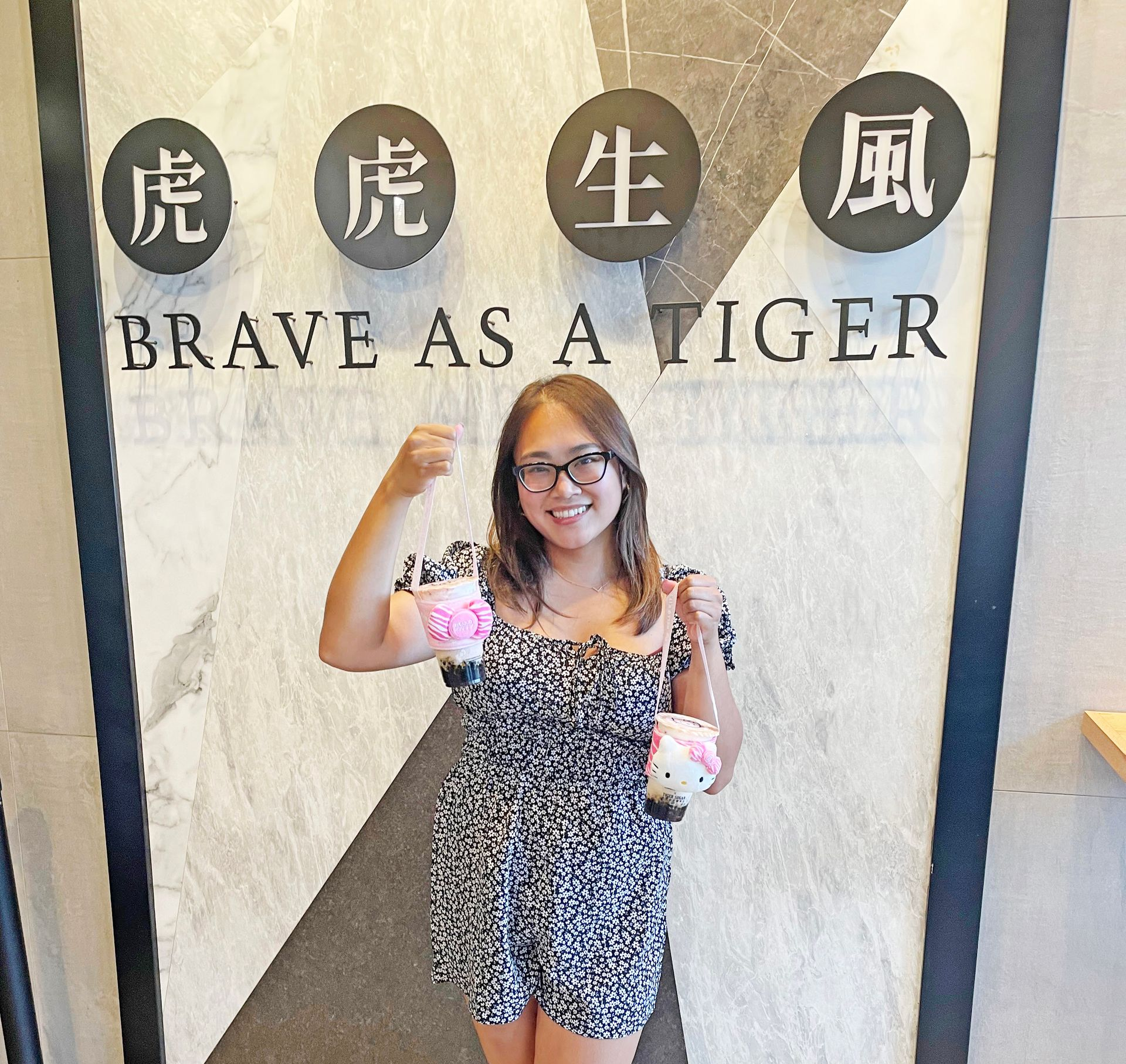
Woman holding drinks, smiling, in front of a

“I’m passionate about using data and lived experiences to drive meaningful change in communities across Colorado,” she said.


When you think of Filipinos you might think of dance, karaoke, and really good food. For Fiona, her family gatherings always centered around food and community: “My Lola’s constant reminder to ‘eat some more’ taught me that sharing food is a way of sharing love.”


“That value continues to guide me today as a content creator, as I explore Colorado’s food scene, connect with chefs, small businesses, and fellow food lovers. I believe food brings people together, bridges cultures, and opens doors to new experiences”.


Her journey into content creation began on March 12, 2020, with a carousel of local food spots and today, she brings her passion for food to the Mile High Asian Food Week team as a Content Creator.


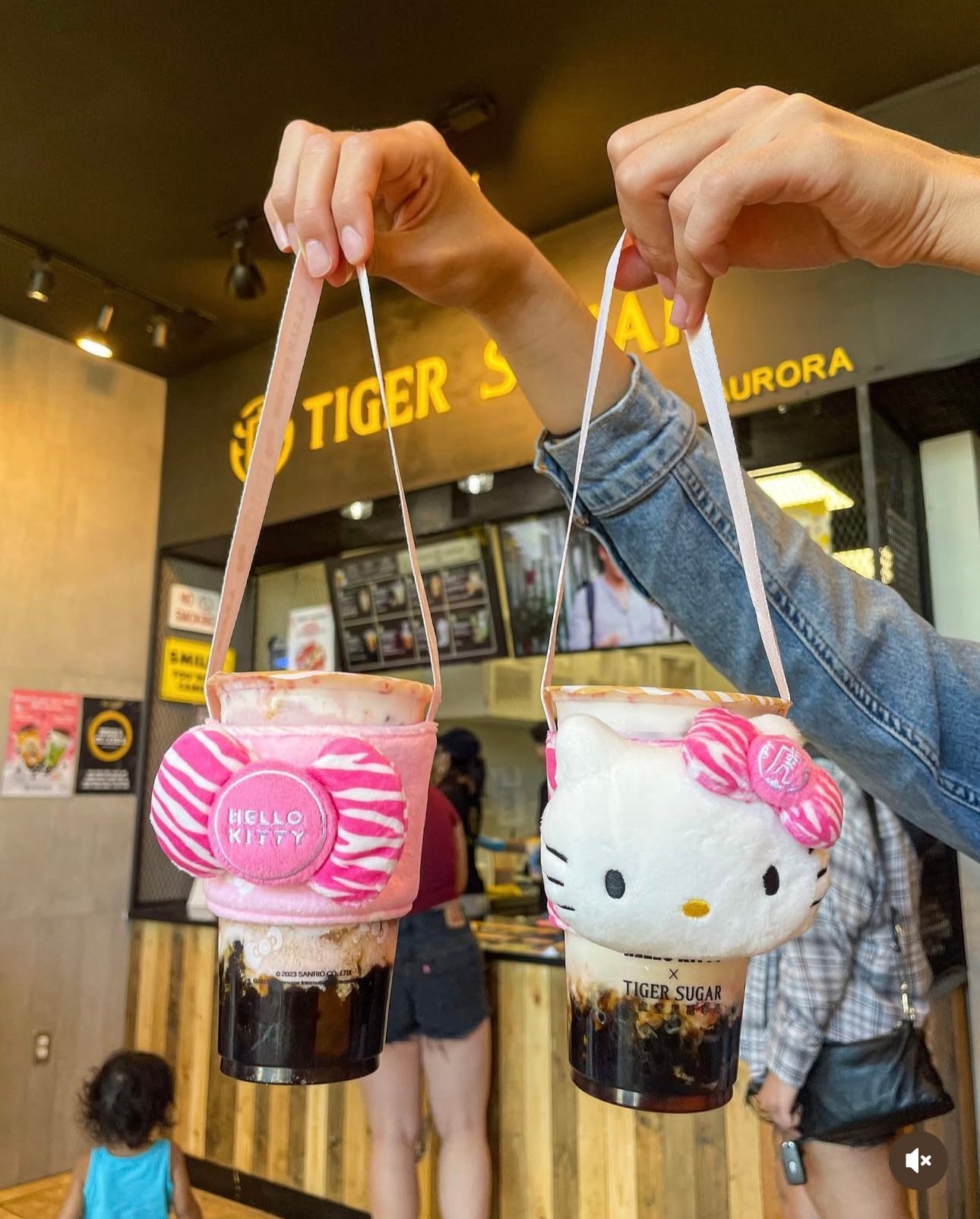
It’s a special feeling to grow up in Denver and actively play a role in growing our local food scene. Fiona is a homegrown talent! With more than 400 posts, Fiona’s growing influence has attracted small businesses to national chains. Her social media videos regularly break over 1,000 views! One of her favorite collaborations included two of her interests: Hello Kitty and Tiger Sugar.


“It combined two things I truly love: Hello Kitty, which I grew up with, and boba, which I’m obsessed with. I had tried Tiger Sugar in Hawaii and always hoped the franchise would come to Colorado, so when I was invited by their social media manager to promote it, I was beyond excited.”

Two drinks in pink and Hello Kitty cup holders are held up by hands inside a boba tea shop.

Fiona’s food photos and videos are posted to her @bonappetitmysweet Instagram and TikTok accounts. Her profiles exude her passion for amplifying local businesses. This passion is what led her to being recruited to join the Mile High Asian Food Week (MHAFW) team. MHAFW is an annual week-long celebration of Colorado’s growing AANHPI culinary scene, launched in 2023.


“It’s been such an honor to be part of a women-led team that is passionate about uplifting the Asian community and local businesses. Working alongside such inspiring women has been incredibly rewarding. Not only do we get to showcase amazing food across Colorado, but we also built connections by sharing our cultures and stories with one another.”


Fiona’s Filipina identity and culture is what shapes her storytelling and content creation. Food is a way to connect with family, friends, and community. “When I highlight local businesses or food events, I’m not just showcasing dishes, I’m sharing the people, traditions, and passions behind them.”


Her Filipina identity gives her a deep appreciation for inclusivity and cultural exchange, which is why she loves exploring a wide variety of cuisines and encourages others to try new things. What’s most amazing about Fiona is the joy she exudes when talking about her latest post or collaboration. Through her work with MHAFW, Fiona shows Denverites how to turn passion into purpose. This purpose has helped motivate her to continue creating content for our growing Colorado food scene.


“I value connection, whether through public health, culture, or food. And one of my favorite sayings sums it up well: ‘Try everything at least once, you never know what you might end up loving.’"

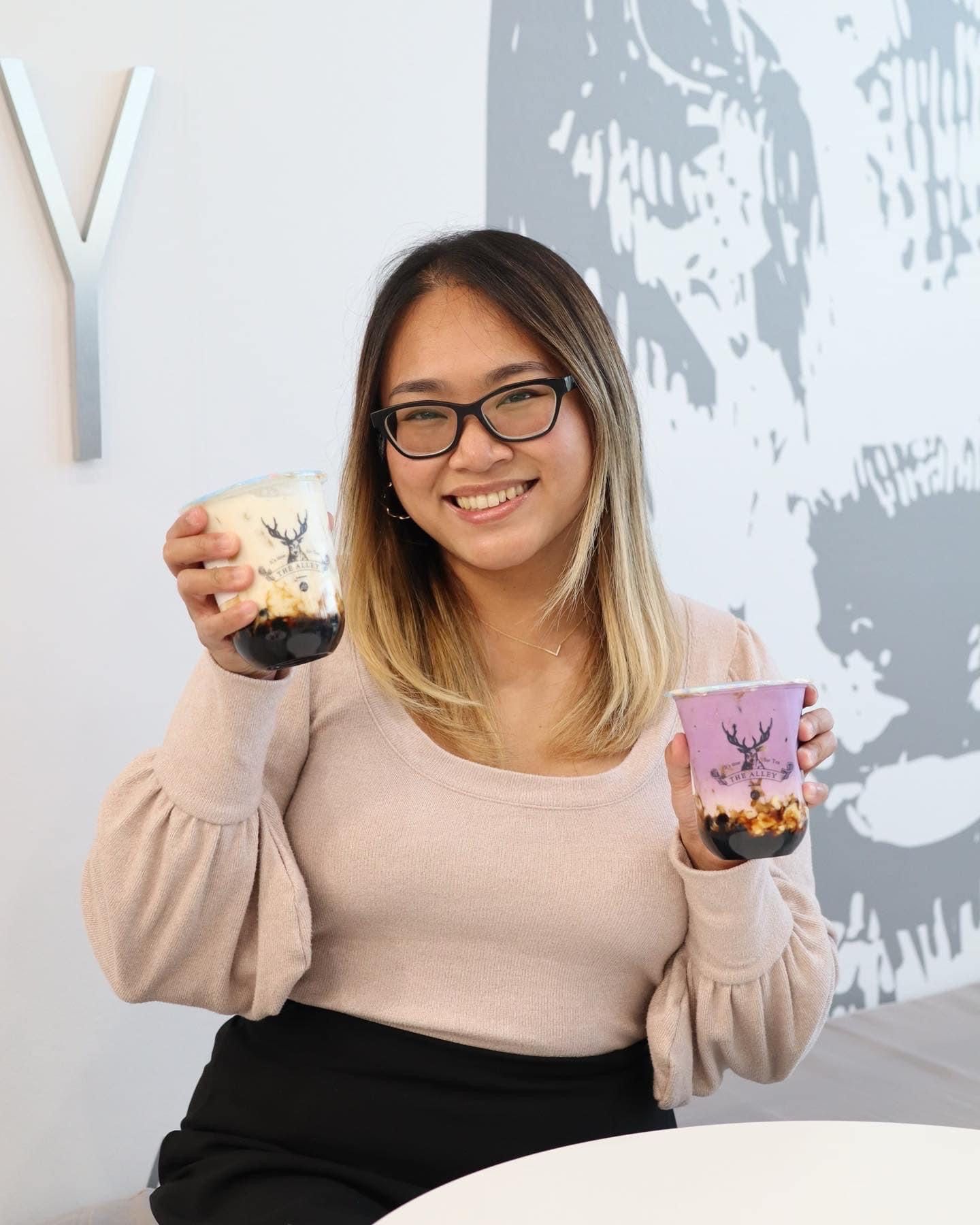
Woman smiling, holding two bubble tea drinks. Light-colored top, glasses, and sitting near a wall with a logo.

Discover More Features

By Patricia Kaowthumrong May 1, 2026
In its 17th year, Colorado Asian Culture and Education Network proudly announces the 2026 Asian American Heroes of Colorado
By Asian Avenue Staff May 1, 2026
The Colorado Lotus Project, a groundbreaking data research initiative focused on understanding the experiences and needs of Colorado’s Asian American, Native Hawaiian, and Pacific Islander (AANHPI) communities, is officially launching its next phase. The project will now operate under Colorado Asian Culture and Education Network (CACEN), a 501c3 organization dedicated to uplifting and strengthening AANHPI communities through culture, education, and civic engagement. Originally created to address the lack of comprehensive data on Colorado’s diverse AANHPI populations, the Colorado Lotus Project brings together research, community voices, and policy insights to highlight key challenges and opportunities. “Building upon CACEN’s strong foundation in the community and the progress from our first phase, we look forward to advancing our long-term goals of expanding accessible disaggregated data, increasing equitable resource allocation across Colorado, and laying the groundwork for a dedicated advocacy infrastructure,” says Jin A. Tsuchiya, Project Director, Colorado Lotus Project. In partnership with Colorado Health Institute, which served as the project’s research and data lead, the Colorado Lotus Project integrates disaggregated data with community-informed and community-led storytelling, grounded in the voices, experiences, and leadership of AANHPI community members, and consolidates multiple data sources into an accessible report, fact sheets, and maps, that help community leaders, policymakers, and funders better understand and respond to AANHPI community needs. The report revealed a striking gap: in 2018, only $0.60 of every $100 awarded by foundations in Colorado explicitly supported AANHPI communities, underscoring the importance of elevating this data so these communities are not overlooked. 2026 Priorities: Educating the Community and Activating the Data In 2026, the Colorado Lotus Project will focus on community education and engagement around the report’s findings. CACEN plans to present the research to community organizations, government agencies, and conferences across the state to demonstrate how the data can inform programs, funding priorities, and policy decisions. The next phase will include updating the report with new and expanded data, with a focused effort on advancing analysis in health and civic engagement, alongside an updated look at the philanthropic landscape supporting AANHPI communities. The project will also place special emphasis on the health and democracy domains. Democracy & Civic Engagemen: An increasing number of Asian Americans in Colorado are stepping forward to run for office and take on leadership roles in public service. The data will serve as a tool for organizations, candidates, and advocates working to expand representation and participation in the democratic process. Health & Wellness: Many organizations across Colorado are already working to address both physical and mental health challenges within AANHPI communities. CACEN hopes to bring together stakeholders in this domain to better understand existing gaps, share resources, and explore opportunities for collaboration to improve health outcomes. Long-Term Vision for Data, Advocacy, and Equity The team continues to work towards the long-term goals initially sought out for this project: (1) use learnings to elevate and advance the needs of AANHPI communities in Colorado, (2) increase transparent, accurate, and accessible disaggregated data on Colorado’s AANHPI communities, and (3) increase equitable resource allocation to support Colorado’s AANHPI communities.  The project also envisions forming an advocacy network that can translate data into policy action, helping community leaders and organizations push for systemic change.
By Gil Asakawa May 1, 2026
Since 1986, Kokoro has built a loyal following of diners who love Japanese food, want it authentic, affordable, quick and easy. Kokoro, with two locations in Denver and in Arvada, was “fast casual” before the term became a business model for chains like Chipotle and Noodles & Company. This year, Kokoro celebrates its 40th birthday as a popular pillar of Denver’s Japanese dining scene. It is a reliable destination for loyal diners who want real, legit Japanese cuisine in a relaxed setting (or from a drive-through window) at an affordable price. But, most of its fans may not know that Kokoro, a family-run business, has roots that are even older than four decades, and in fact, reaches back to 1899 and the establishment of a gyudon, or beef bowl, restaurant named Yoshinoya in Japan. Yoshinoya began as a street food concept, selling thin-sliced marinated beef and onions over rice to laborers for a quick meal. In the postwar 1950s, it expanded into a chain that would go on to dominate Japan’s beef bowl market, with nearly 1,200 locations across the country. Yoshinoya expanded into the U.S. in 1973 and established its headquarters near downtown Denver. Just two years later, in 1975, Yoshinoya opened its first Colorado restaurant at Colfax and Logan. Although Yoshinoya opened several more Denver locations by the mid-1980s the company had pulled out of the state. Today, there are still over a hundred Yoshinoya restaurants left in America, but mostly in California. Yoshinoya’s legacy in Denver is Kokoro, which took over the vacant Colorado Boulevard location in 1986. The man who opened it, Mareo Torito, came from Japan and had been the manager of Yoshinoya’s Denver operation. He married a woman who was a server at Yoshinoya and stayed in Colorado when the company left for California. Torito later opened Kokoro, which means “heart” in Japanese and built it into its own successful operation, eventually expanding to a second location in Arvada. Today, the restaurants are run by his son, Masaru, while Mareo leads a broader family enterprise that includes RedBird Farms. Founded in 1949 and acquired by Torito in 1990, RedBird Farms has become a powerhouse brand known for its high-quality chicken, raised without antibiotics or steroids, and fed a vegetarian diet in a cage-free environment. The company supplies both restaurants and major supermarket chains like King Soopers and Safeway. In a news report, Torito noted that RedBird accounts for approximately 40% of Colorado’s chicken market. Masaru, Torito’s son, reflects on his father’s ambition: “He never expected RedBird to get so big, but I believe he wanted it to reach a scale where it could compete with the industry’s biggest players. In my words, he aimed to be a predator in the ocean, even if he never saw himself as a ‘big fish.’” Kokoro is not a big fish in the restaurant scene, but it’s doing just fine, thank you. Celebrating 40 years is no small feat, and for its anniversary, a new item was added to the menu: Miso-Teriyaki Japanese Chicken Wings, made with RedBird chicken coated with a spicy-sweet miso-teriyaki garlic glaze sprinkled with sesame seeds.  Over the decades, Torito has added plenty of items to the menu, from its beef and chicken and veggie bowls to tasty ramen dishes. Traditional udon noodles are served under the modern name “Splash,” while yakisoba fried noodles carry the playful moniker “Sobaghetti.” The menu also features beef and chicken curry, seafood rice bowls with unagi eel, salmon, and shrimp tempura, as well as Hawaiian-style poke bowls. Last year, the restaurant even added handmade onigiri rice balls to its sushi selection.