Wellness Meets Malaysian Flavors at Mama Kim
Asian Avenue Staff • September 1, 2025

A new restaurant is bringing the flavors of Malaysia to the Denver Tech Center. Mama Kim Malaysian Fusion officially opens its doors on September 13, offering one of the only spots in the area to enjoy authentic Malaysian cuisine.

A Global Concept, Now in Denver

Born in Malaysia in 2015, Mama Kim began as a neighborhood wellness kitchen and has since grown into an international dining experience with 13 locations across Malaysia, two in Taiwan, and now Denver. 


Rooted in Malaysia’s vibrant food culture—where Malay, Chinese, Indian, and Peranakan influences meet—Mama Kim celebrates authenticity reimagined.


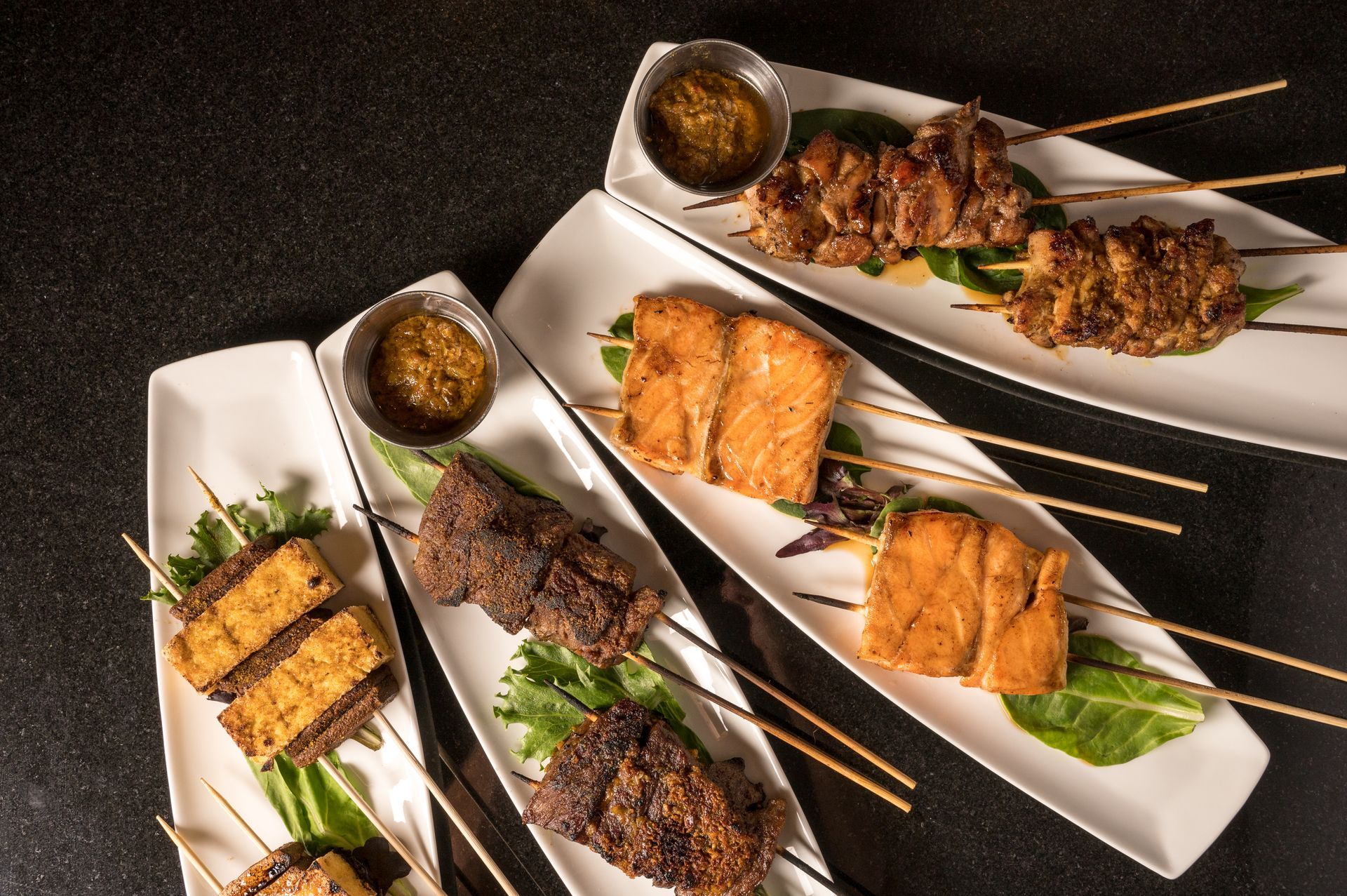
The philosophy is simple: flavor with balance. Every dish honors the bold, comforting tastes of Malaysian street food while embracing modern, health-forward values. From smoky satay skewers to nourishing noodle bowls and creative small plates, Mama Kim offers a cuisine that is both familiar and new, where wellness and indulgence live in harmony.

Building a Family Business

The restaurant is named after “Mama Kim,” an entrepreneur and chef who first entered the spa industry with a modest 200-square-foot space in Malaysia. She and her husband, CK Low, eventually expanded into hotels, restaurants, and spas, blending food and wellness into holistic lifestyle concepts. She handled operations while her husband managed finances—a partnership that remains the foundation of their success.


The Low family’s four sons grew up with this vision. Jason, the eldest, now leads the Denver restaurant, with his brother Ben. Joseph is pursuing culinary school in Taipei, while the youngest brother William is still in school in Colorado Springs. 

Why Colorado?

The Lows first discovered the state during a conference event in Aspen and immediately fell in love. They chose Colorado over California, seeking a more diverse cultural experience for their children while also introducing something new to the local dining scene.


The family lived in Colorado, primarily in Colorado Springs, from 2015 to 2022, planting roots in the community before bringing their business venture here.

The Concept: Spa Meets Restaurant

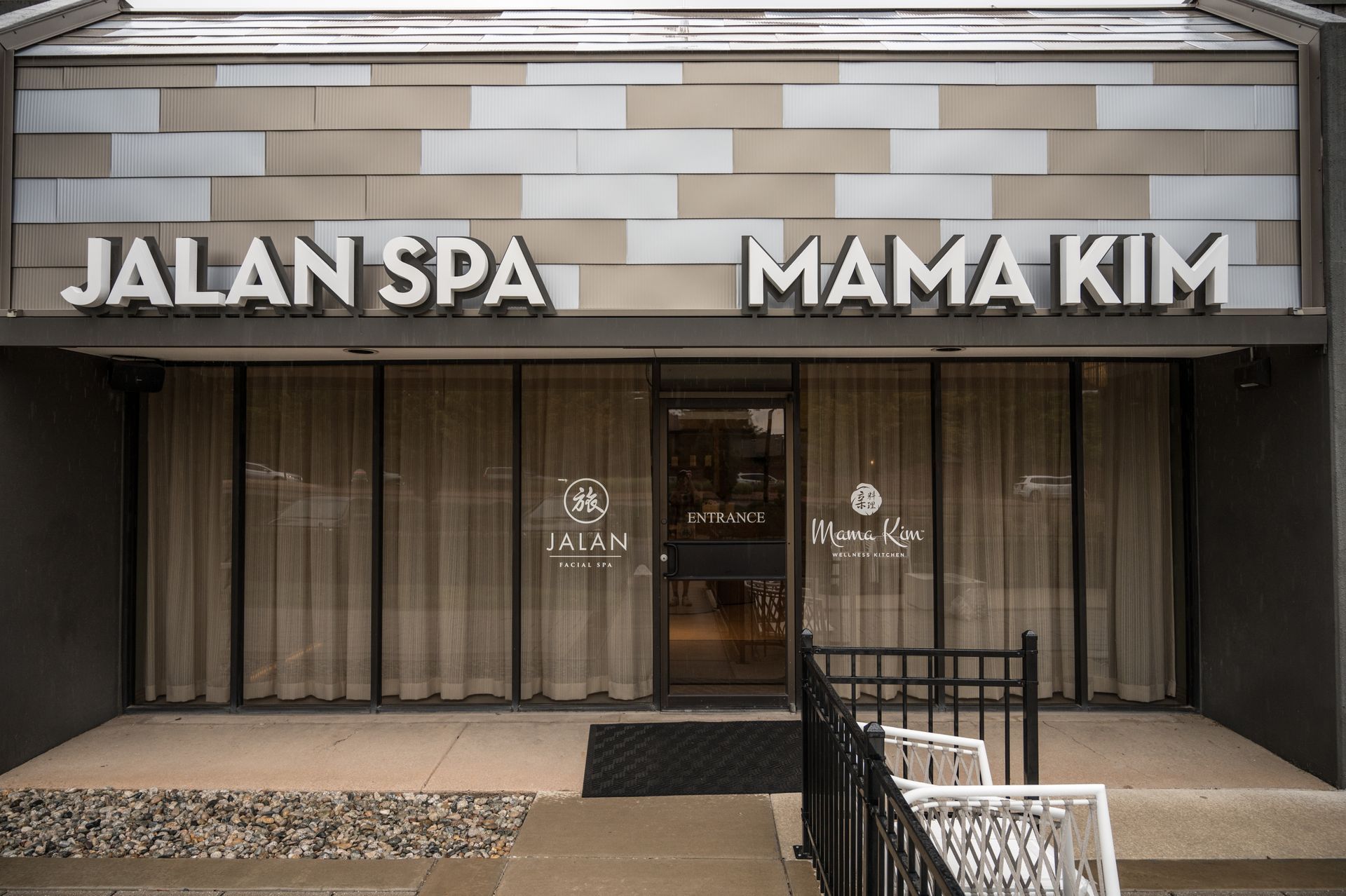
Mama Kim’s Wellness Kitchen is uniquely paired with their Jalan Spa—a model that has thrived in Malaysia. They have a second location in Denver’s Uptown neighborhood.


Guests enter the front doors to find the spa on the left and the restaurant on the right, creating a space where wellness treatments flow seamlessly into a nourishing meal. It’s part of the family’s belief that health is as much about what you eat as how you care for your body.

The Food

Mama Kim’s inspiration for healthy cooking began during travels to Kunming, in China’s Yunnan Province. After tasting the region’s famous rice noodles, she loved the concept but wanted to reimagine it in a lighter, healthier way—with less oil and more balance. That philosophy continues to shape the menu today. 


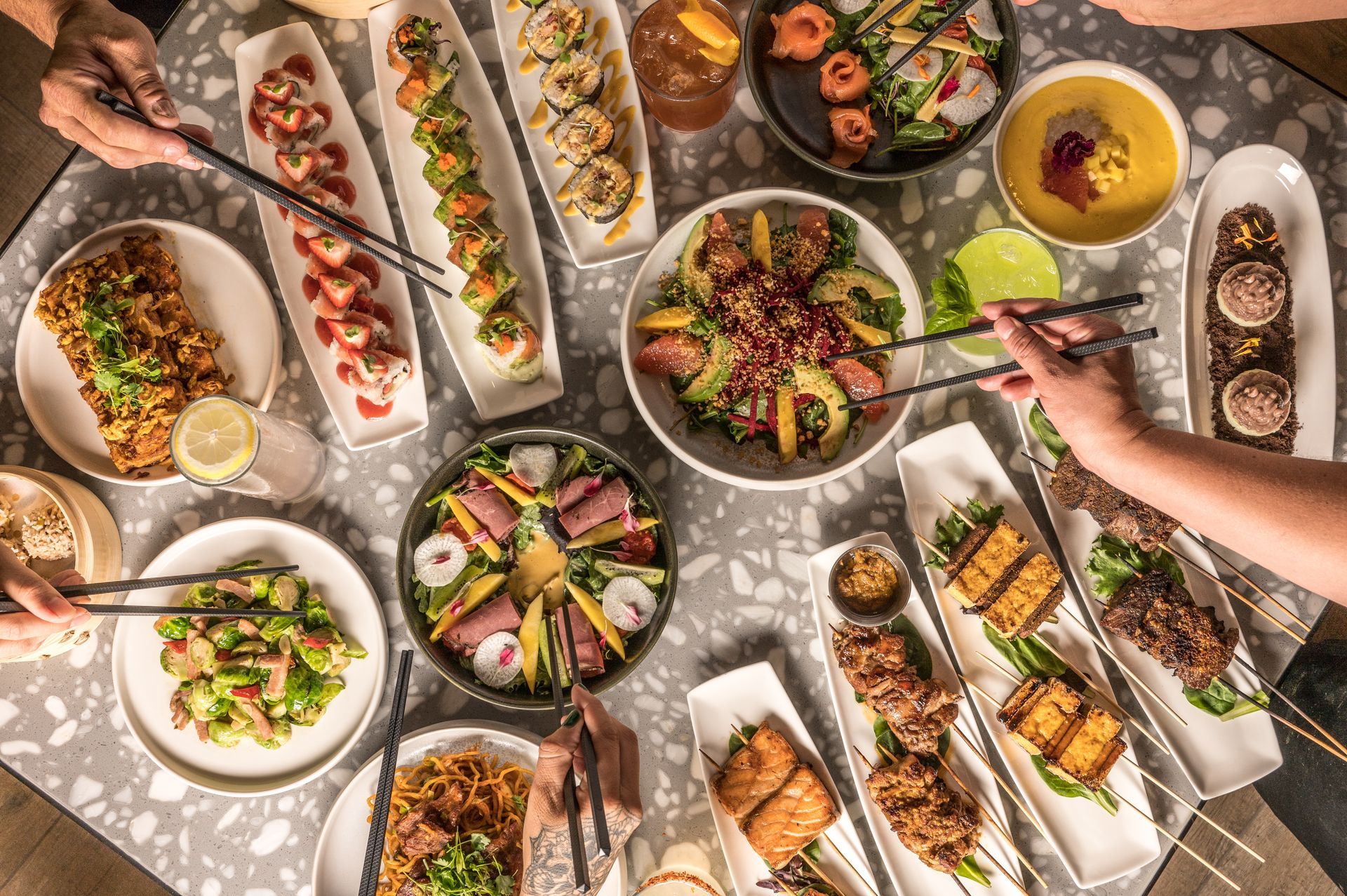
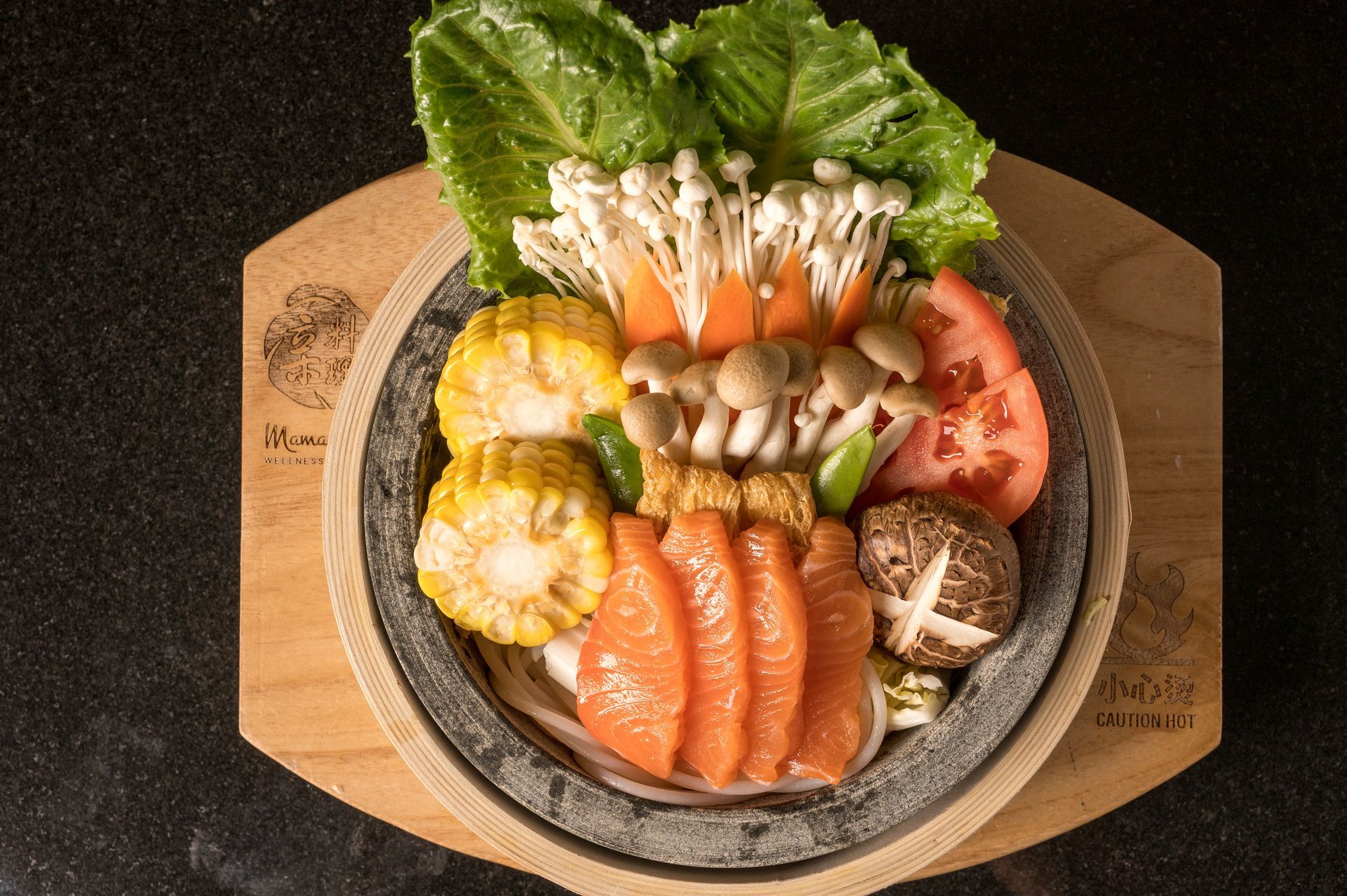
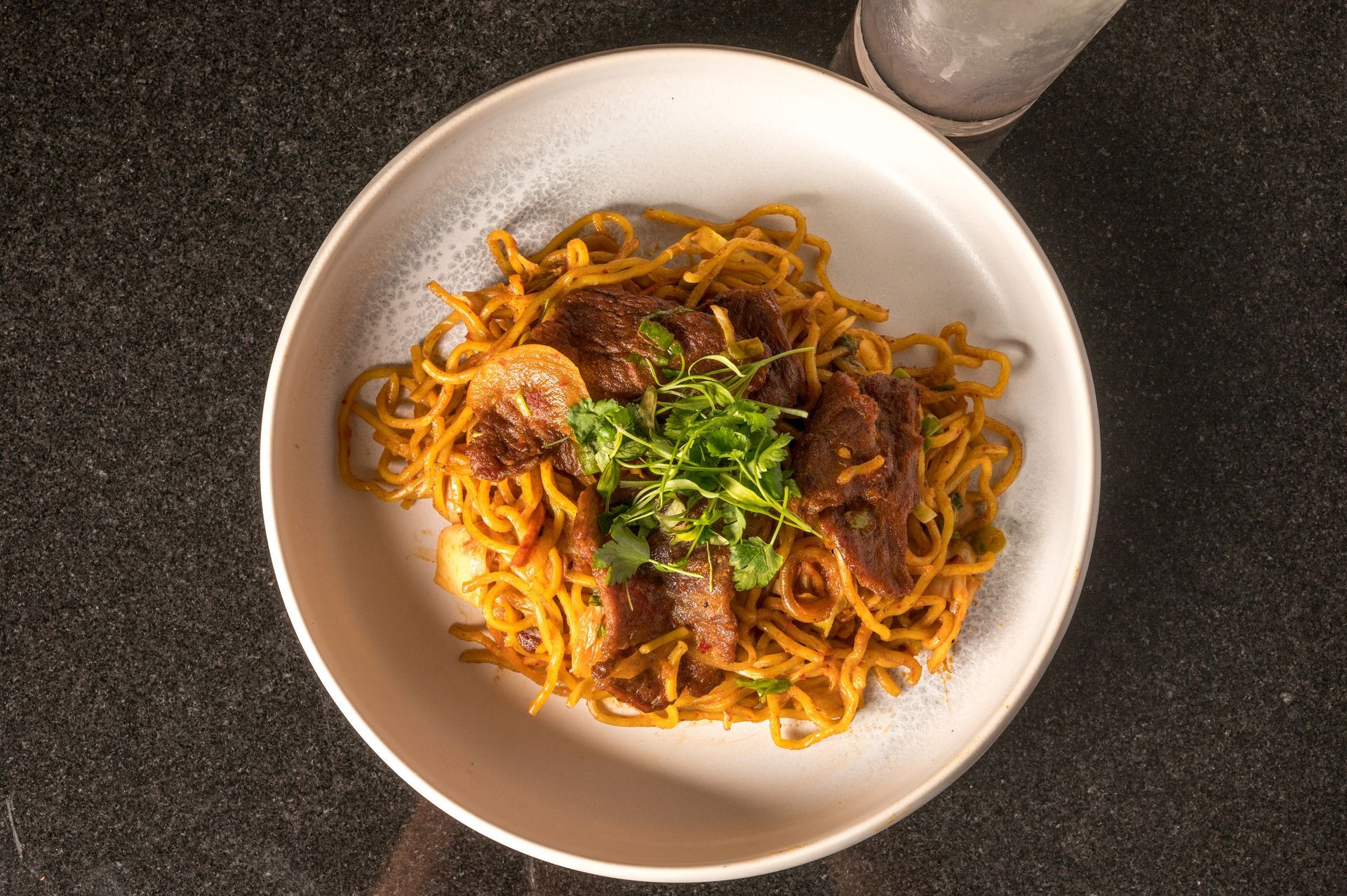
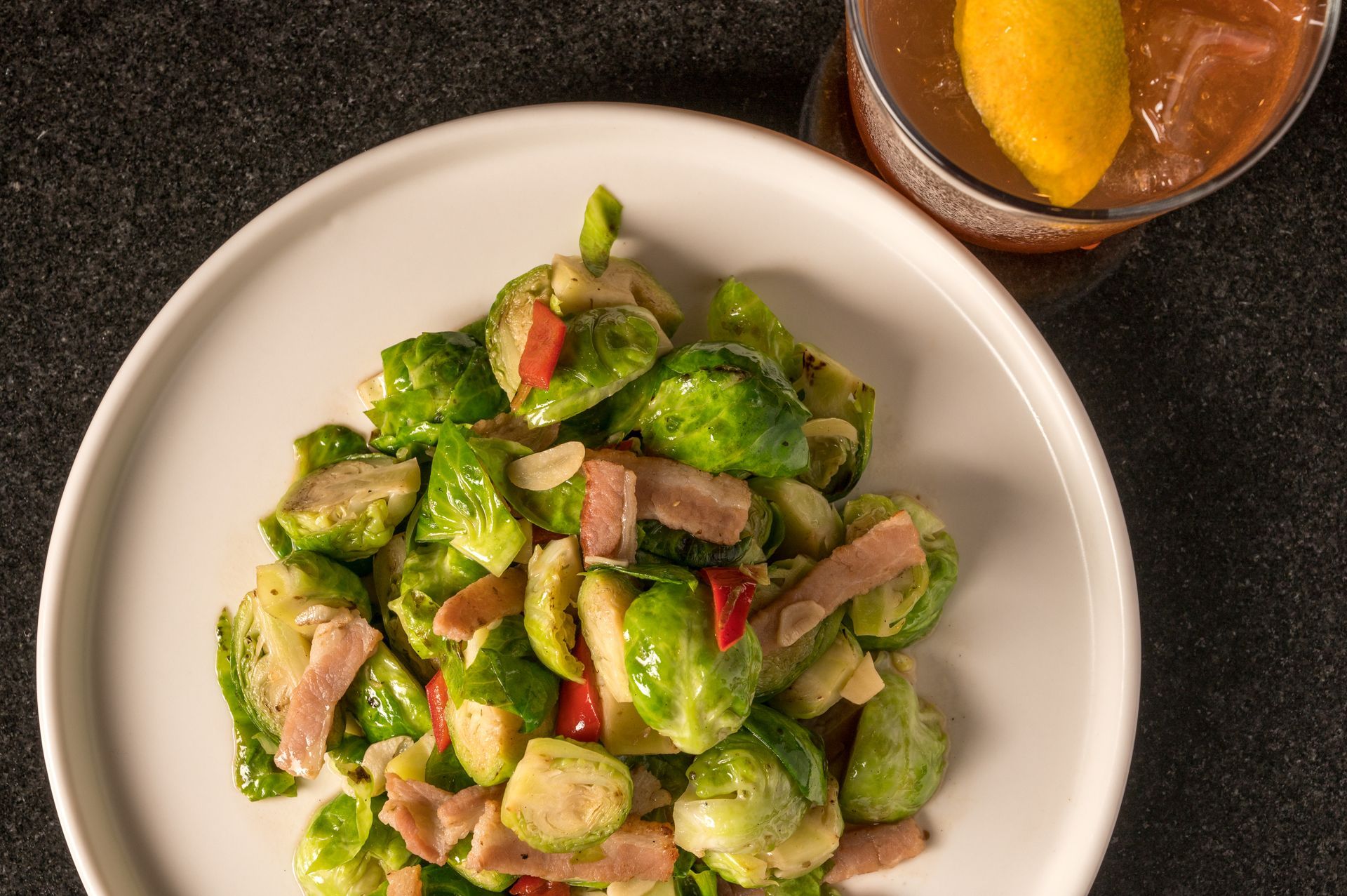
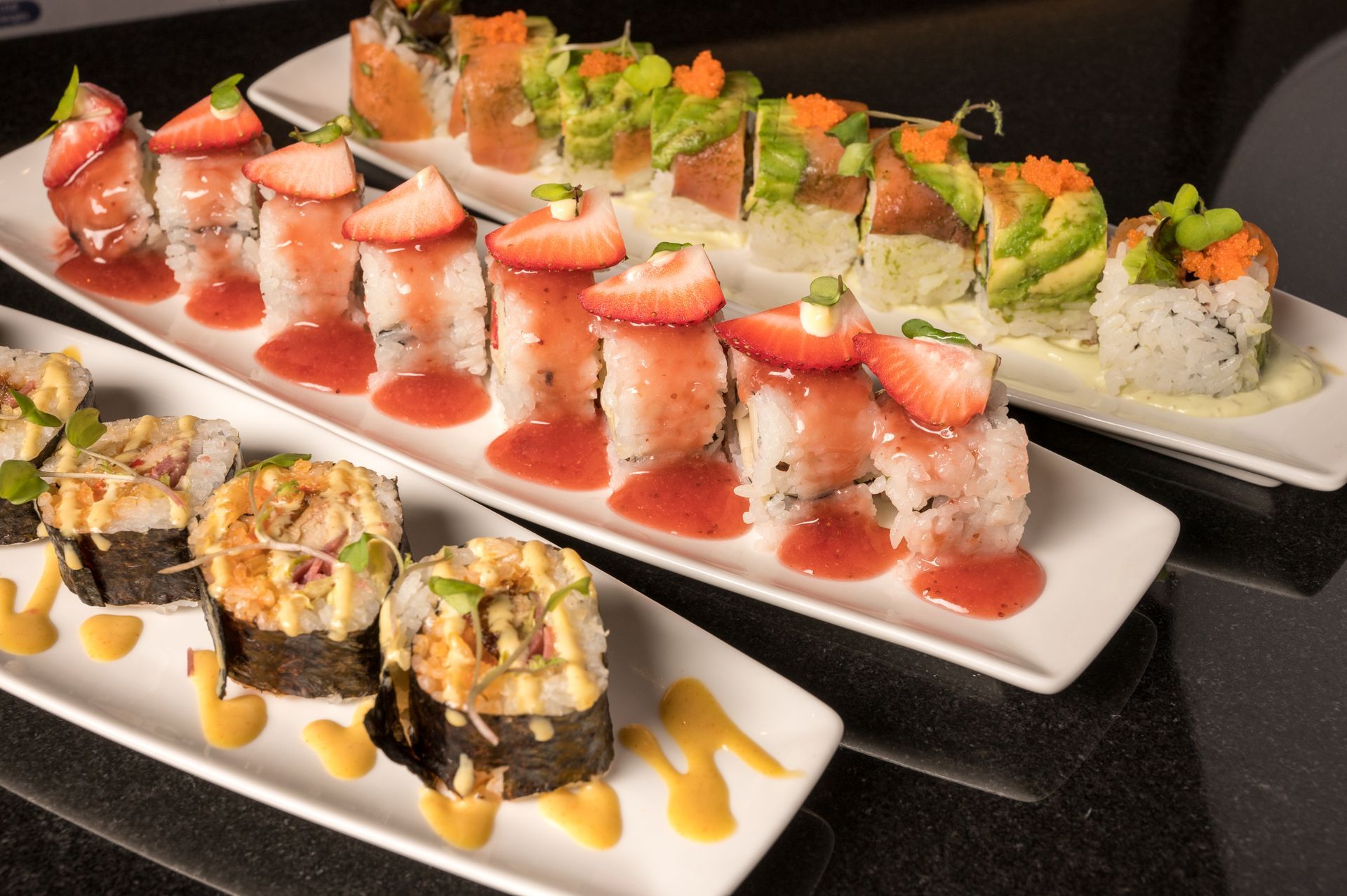
Mama Kim’s menu highlights healthy soups and fusion dishes designed by their culinary director, a celebrity chef in Taiwan. While the restaurant began with Mama Kim’s original recipes, the chef now collaborates with the family to develop signature offerings. Highlights include: the signature Sauna Mee, Chinese radish cake, fruit centric rolls like Berrylicious Roll, their fried rice selection and Malaysian satays.


The restaurant also offers a full bar with inventive cocktails and specialty teas, and patio seating for the warmer months.


Unlike many Asian restaurants that adjust flavors for the American palate, Mama Kim embraces authentic tastes. After conducting multiple rounds of focus groups, they heard from participants to be authentic: don’t try to be something you’re not.

Three Years in the Making

Opening Mama Kim in Denver has been a three-year journey. Excited to be opening soon, the family signed the lease in 2022 but faced hurdles with permits and licenses. 


Designed by an architect from Taiwan, the restaurant is modern, bright, and open, with clean lines and thoughtful Asian-inspired details. They incorporated the best ideas from their other concepts into this Denver location.

Carrying on the Legacy

As Mama Kim passes the torch to Jason and Ben, she encourages her sons to work together. She says in Mandarin: “Without one of you, you can’t complete it. Without the other, you can’t grow it bigger.” 


She inspires her children to blend their strengths to continue the family vision. The family will continue to travel internationally to oversee their businesses in Malaysia, Taiwan, and now Denver.


With the grand opening around the corner, Mama Kim is ready to welcome Denver diners into its global family—a place where community, wellness, and bold Malaysian flavors come together.

Discover More Features

By Ashtonn Means April 1, 2026
Rocky Mountain Public Media , the home of Rocky Mountain PBS, KUVO Jazz, and TheDrop303 has a partnership with Colorado Ethnic Media Exchange to launch this monthly essay series, as part of our vision to co-create a Colorado where everyone feels seen and heard. These stories are sourced from community members across the state—told in their own words and selected from our 64-county community ambassador program. They are not editorial products of our journalism team, but are first-person reflections on life in Colorado - building bridges through empathy. Learn more about all of our brands and content at www.rmpbs.org/about .
By Gil Asakawa April 1, 2026
When people discover Boxtastic at Denver International Airport, they’re often drawn in by the bright displays, colorful characters, and the excitement of opening a “blind box.” Behind that experience is Michael Ye, quietly building and shaping the vision of Boxtastic alongside his wife, Mimi Luong Ye. While Mimi is often the face of the brand—connecting with the community, sharing stories, and bringing energy to events—Michael is the one carefully crafting what Boxtastic is becoming. In 2024, he noticed a growing trend while running their family gift shop, Truong An Gifts, in Denver. Labubu dolls made by Pop Mart, a Beijing-based toy company, had become an explosive fad. Pop Mart sells the line of various Labubus in a “collect them all” ethos of blind boxes, in which the exact item inside is a surprise until it’s open. Then consumers keep buying them to collect the other ones. Labubus became Pop Mart’s biggest worldwide hit. After Truong An’s Labubu popularity and long lines waiting outside their gift shop door caught the attention of Denver International Airport, the Ye’s came up with Boxtastic, which was more open-ended and not tied to just the Labubu fad. Like a spinoff for a hit television show, Boxtastic, is inspired by the blind boxes that generate repeat purchases.  “It’s kind of become the thing that I love,” Ye says of the Truong An-inspired world of retail. “And Boxtastic is just a version of that. It’s a spin-off.”
By Dr. Esther Park April 1, 2026
For Dr. Esther Park, the path to becoming a psychologist wasn’t linear—it was deeply personal. Like many children of immigrants, she grew up with a clear expectation: become a doctor or a lawyer. “For a while, I believed I would be a pediatrician,” she recalls. “But on the first day of organic chemistry in college, I quickly realized medical school wasn’t for me.” What followed was a quiet but powerful shift. Park gravitated toward psychology, initially without a clear end goal. “Looking back, I can see that I was drawn to it for deeply personal reasons,” she says. “There was something I wanted to understand about myself, my upbringing, and the dynamics that shaped me.” That curiosity eventually led her to earn a doctorate in clinical psychology and continue her training at the Denver Institute for Psychoanalysis. Dr. Park describes her identity as a 1.5 generation Korean American as central to her work. “I understand, intimately, what it feels like to belong and to feel ‘other’—sometimes in the very same moment,” she explains. Holding both Western and Korean values has created what she calls a “dual identity,” shaped by autonomy and self-definition on one hand, and sacrifice, duty, and collective identity on the other. This duality brings both gratitude and grief. “I carry gratitude for the immense sacrifices my parents made… But I also carry a lot of grief. The grief of recognizing that my freedom is, in many ways, built on their limitation.” These layered emotions inform how she approaches her patients—with nuance, curiosity, and compassion. “I don’t see mental health symptoms in isolation. I see them within cultural systems, generational trauma, and the psychological weight of belonging.” Dr. Park emphasizes that many mental health challenges—like anxiety, depression, and perfectionism—are often rooted in intergenerational experiences. “We do not start from scratch,”she says. “We are shaped not only by our own experiences, but by the emotional histories of the generations before us.” In immigrant families, survival stories often translate into internal pressures: achieve, don’t fail, make it worth it. “These messages are often rooted in love,” she adds, “and yet, they can become internal pressures that shape identity in profound ways.” Starting her own private practice was another intentional step in reclaiming autonomy. “I wanted the freedom to build a practice that reflected my values,” Park says. “My parents immigrated to this country without the luxury of time…Because of that, I’ve come to see time as one of the most valuable forms of wealth.” Her work, grounded in psychodynamic and psychoanalytic therapy, goes beyond symptom relief. It invites deeper self-exploration and lasting change. “Many of the individuals I work with are interested in understanding themselves at a deeper level—not only to improve their own lives, but to change patterns that may have existed across generations.” It gives Dr. Park hope that “more individuals are beginning to ask deeper questions about themselves—not just what they feel, but why.” She hopes more people can see self-understanding not as a weakness, but as courage.