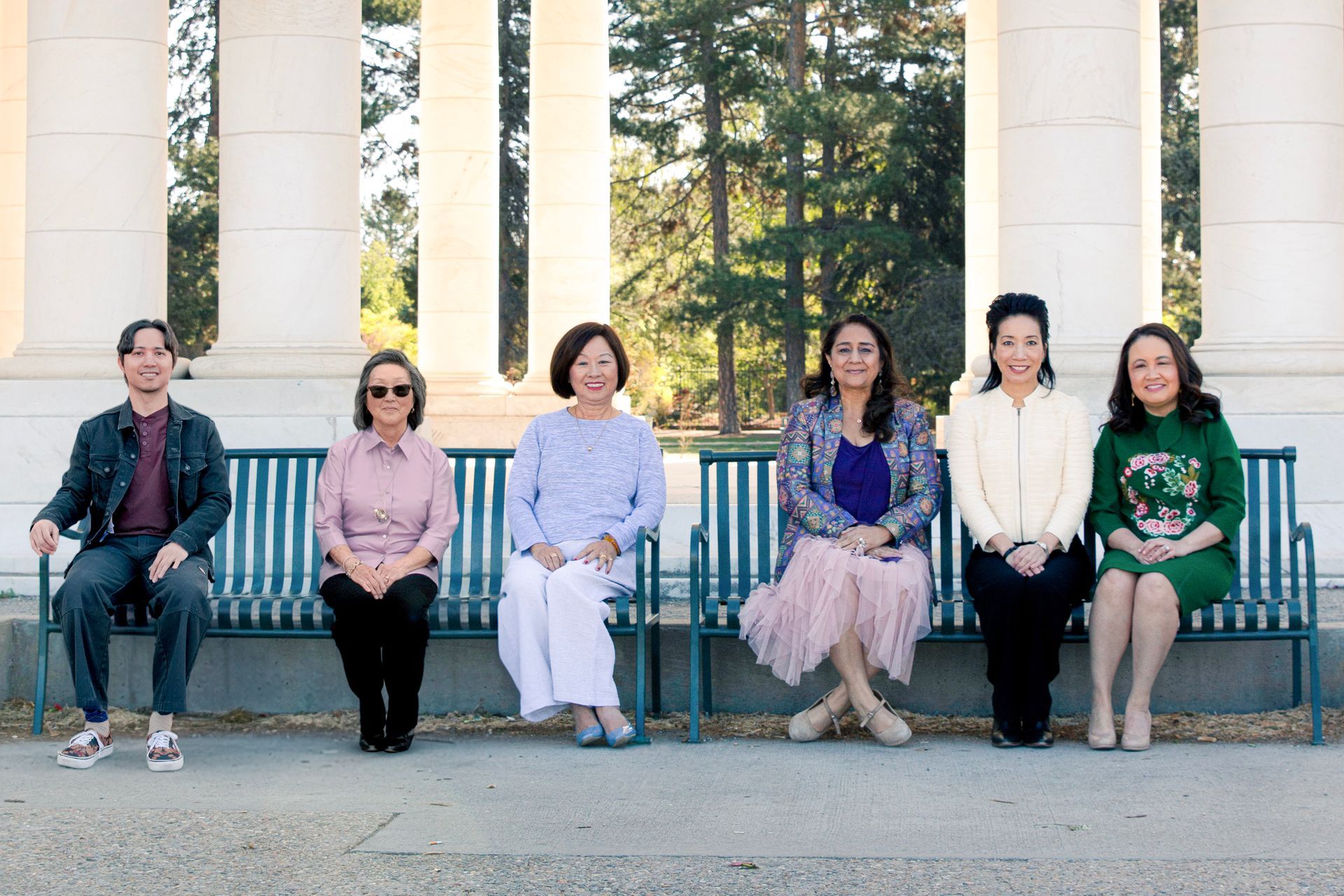

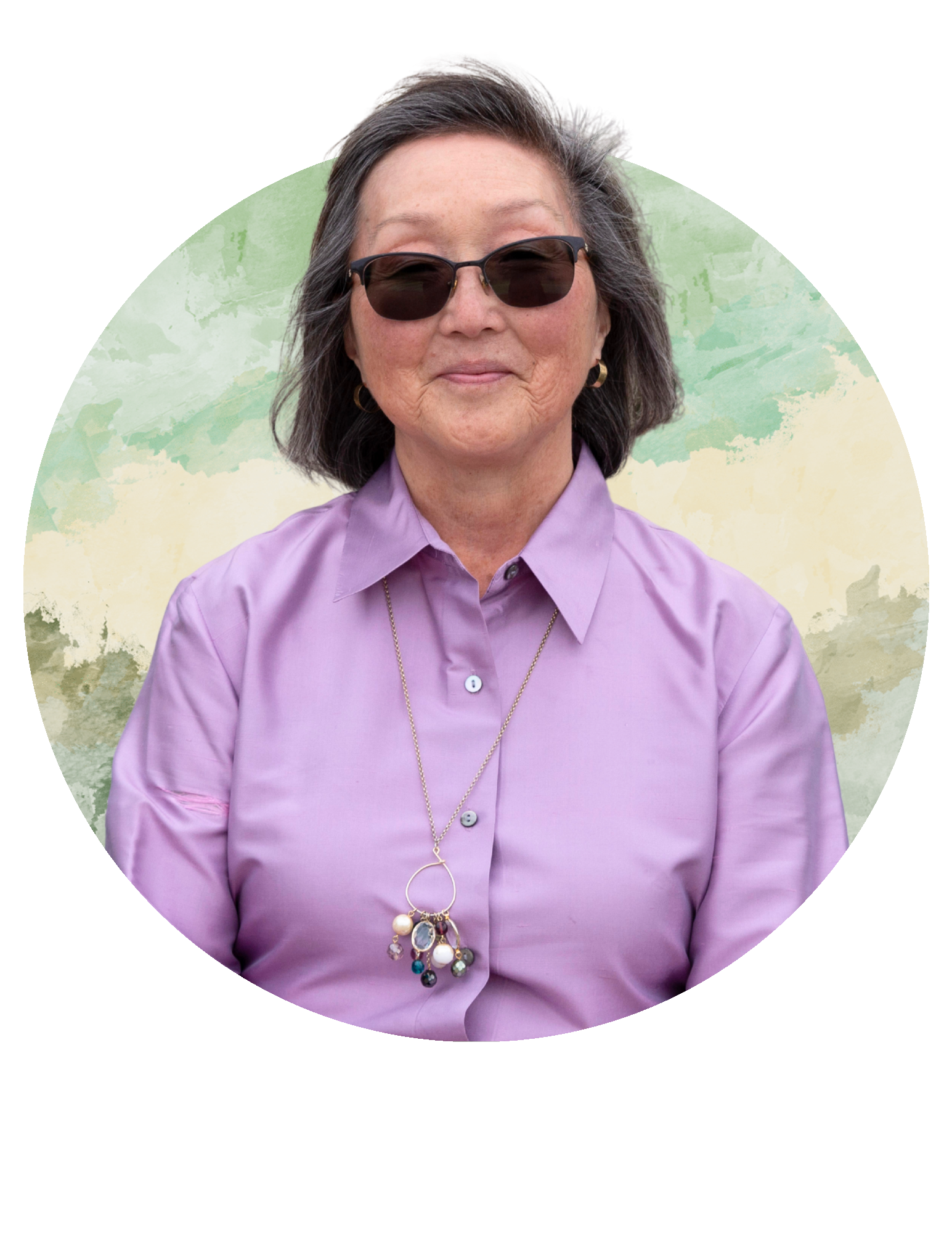
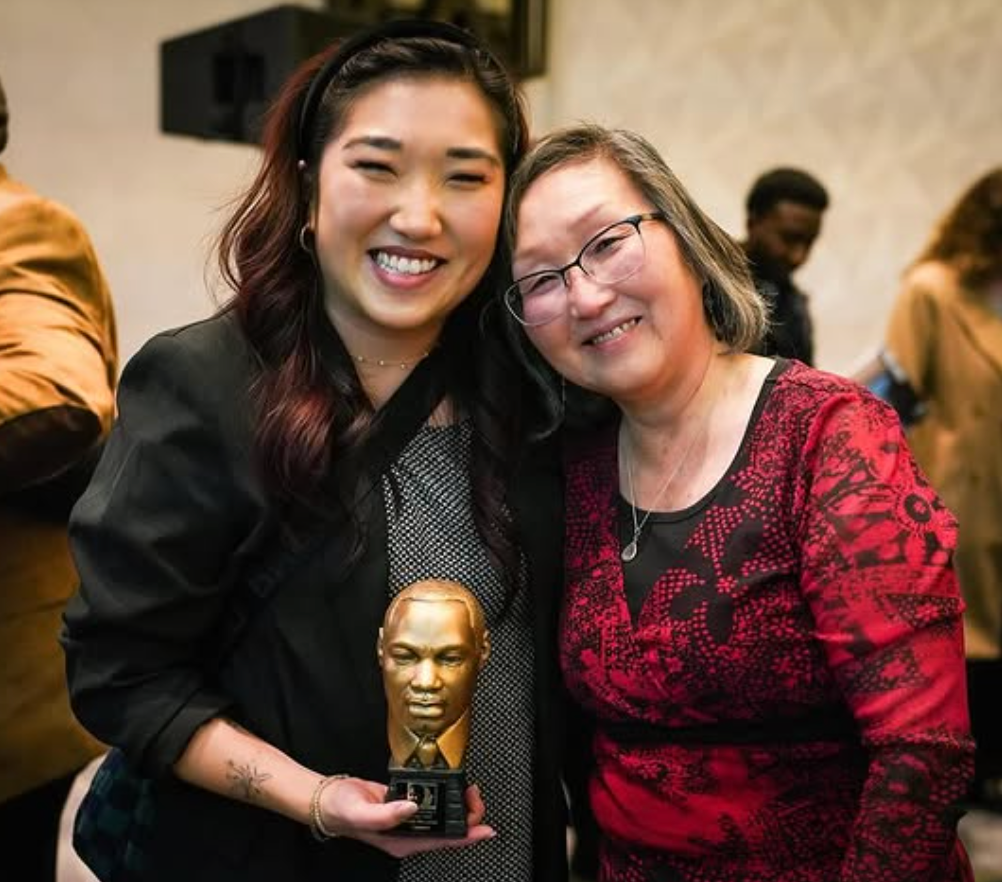
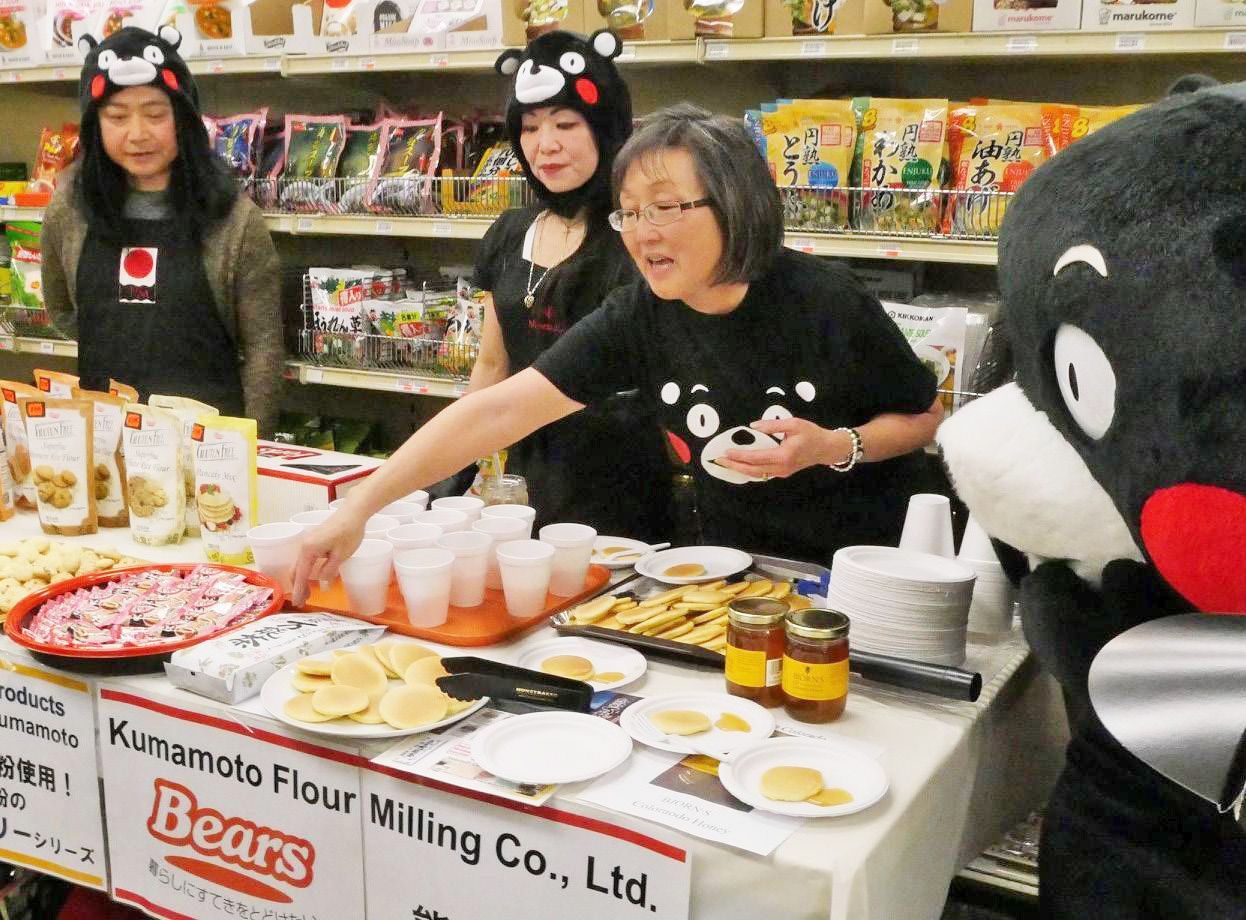
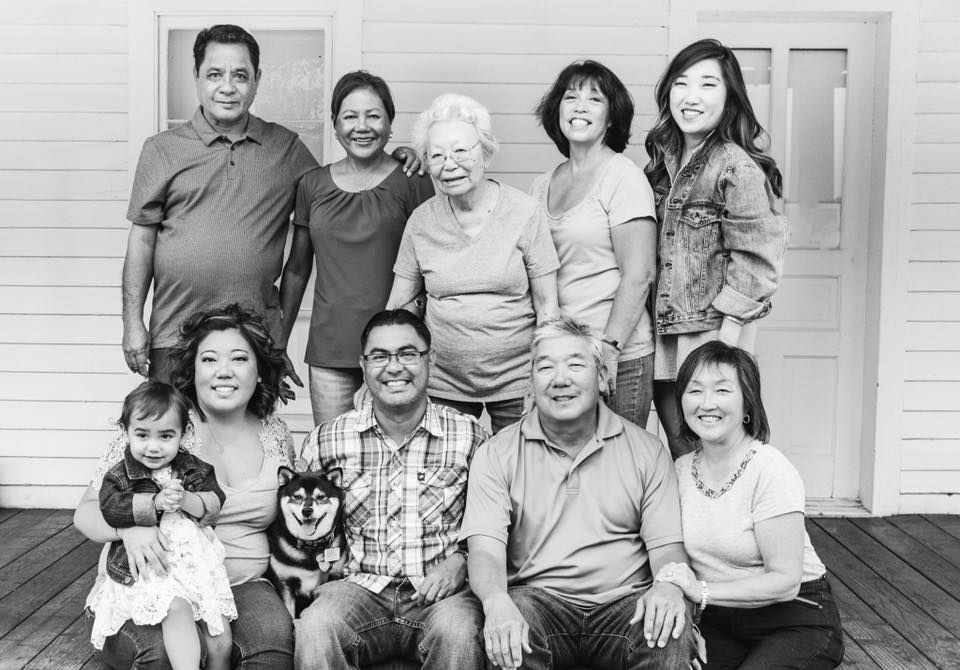
In its 17th year, Colorado Asian Culture and Education Network proudly announces the 2026 Asian American Heroes of Colorado
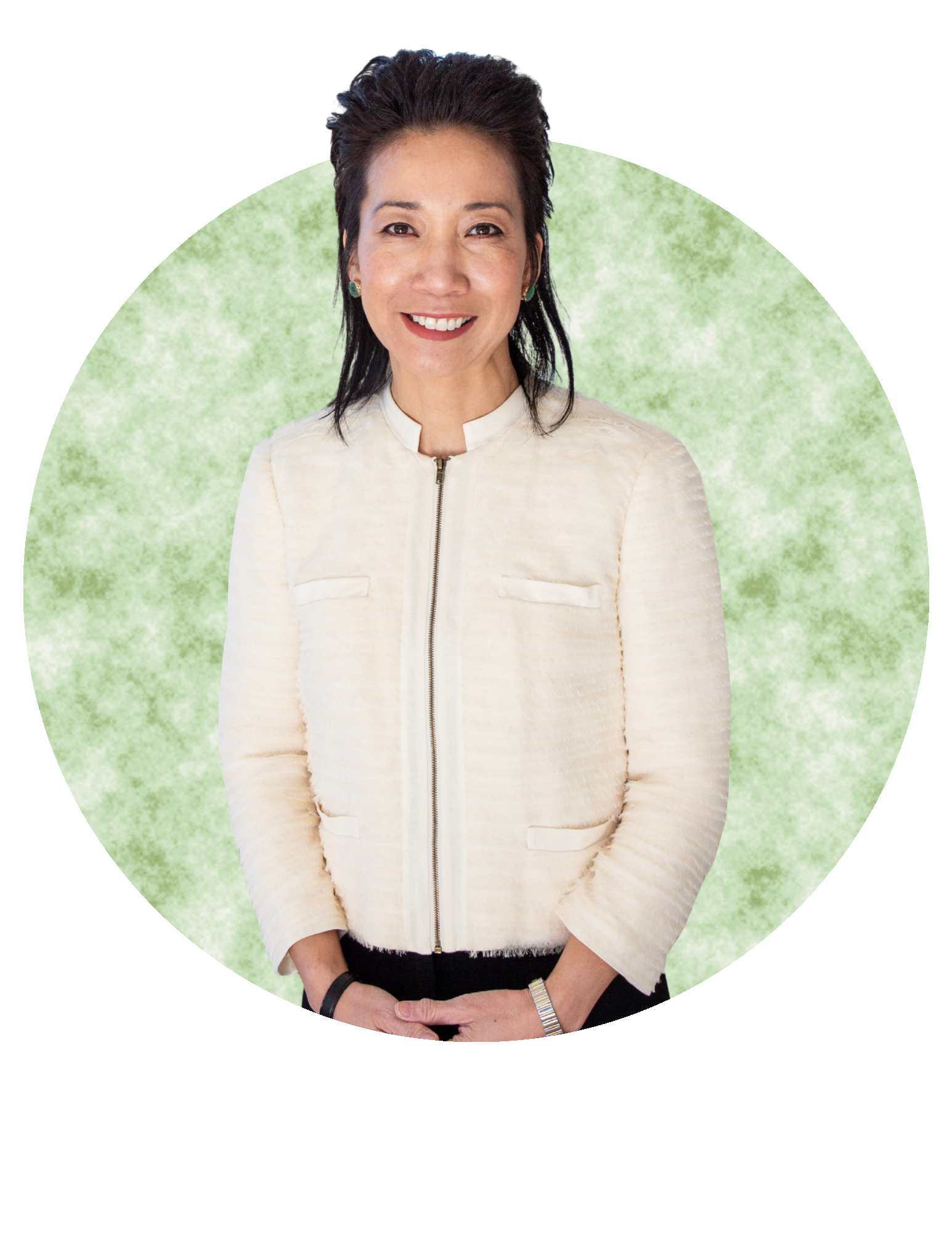
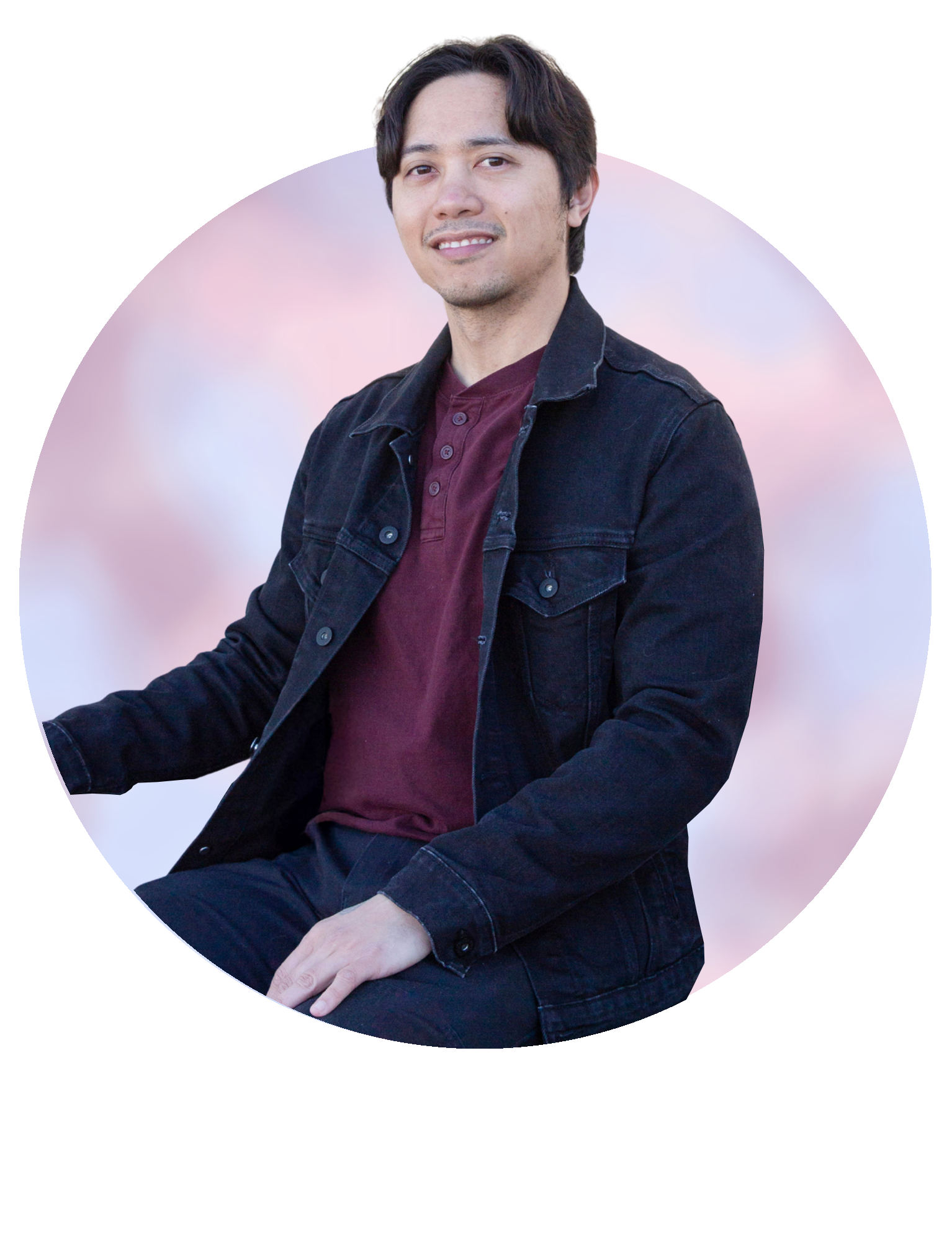
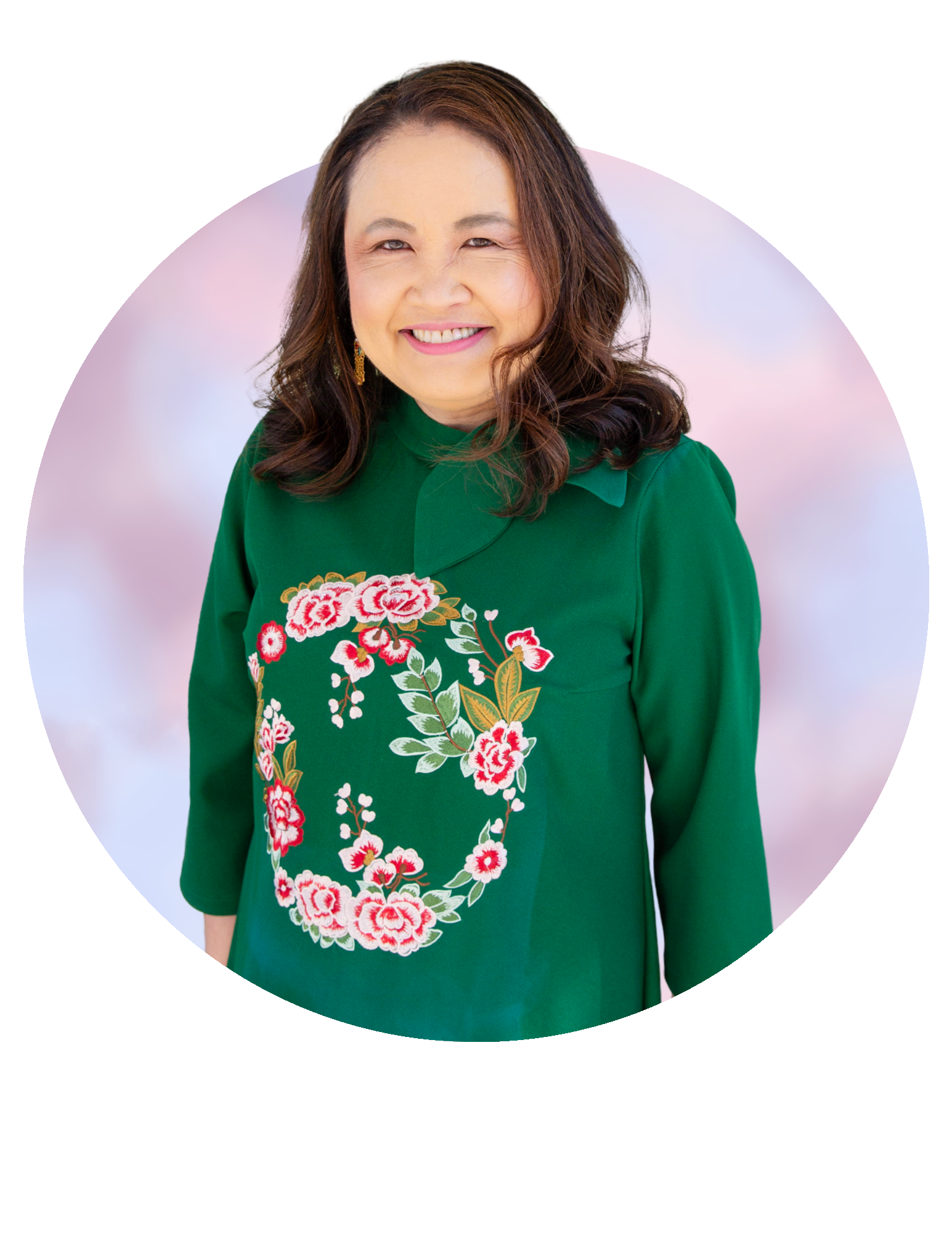
Mary Nguyen
Founder and President, Olive & Finch Collective
Chair, Asian Chamber Foundation of Colorado
Mary Nguyen
Founder and President, Olive & Finch Collective
Chair, Asian Chamber Foundation of Colorado
At her core, Mary Nguyen is a community builder. Whether through her restaurants, mentorship or civic leadership, she brings people in spaces where connection and opportunity can take root.
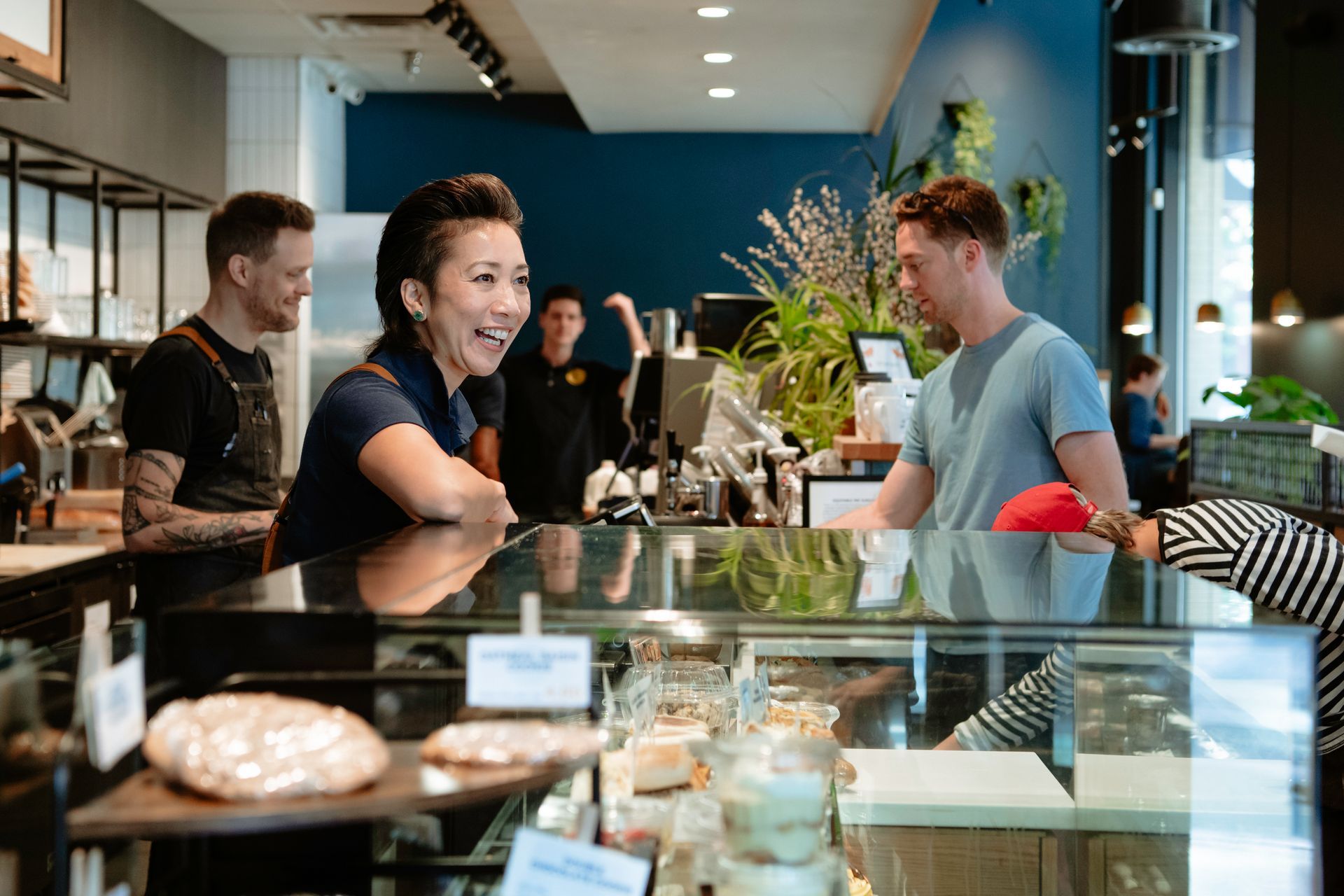
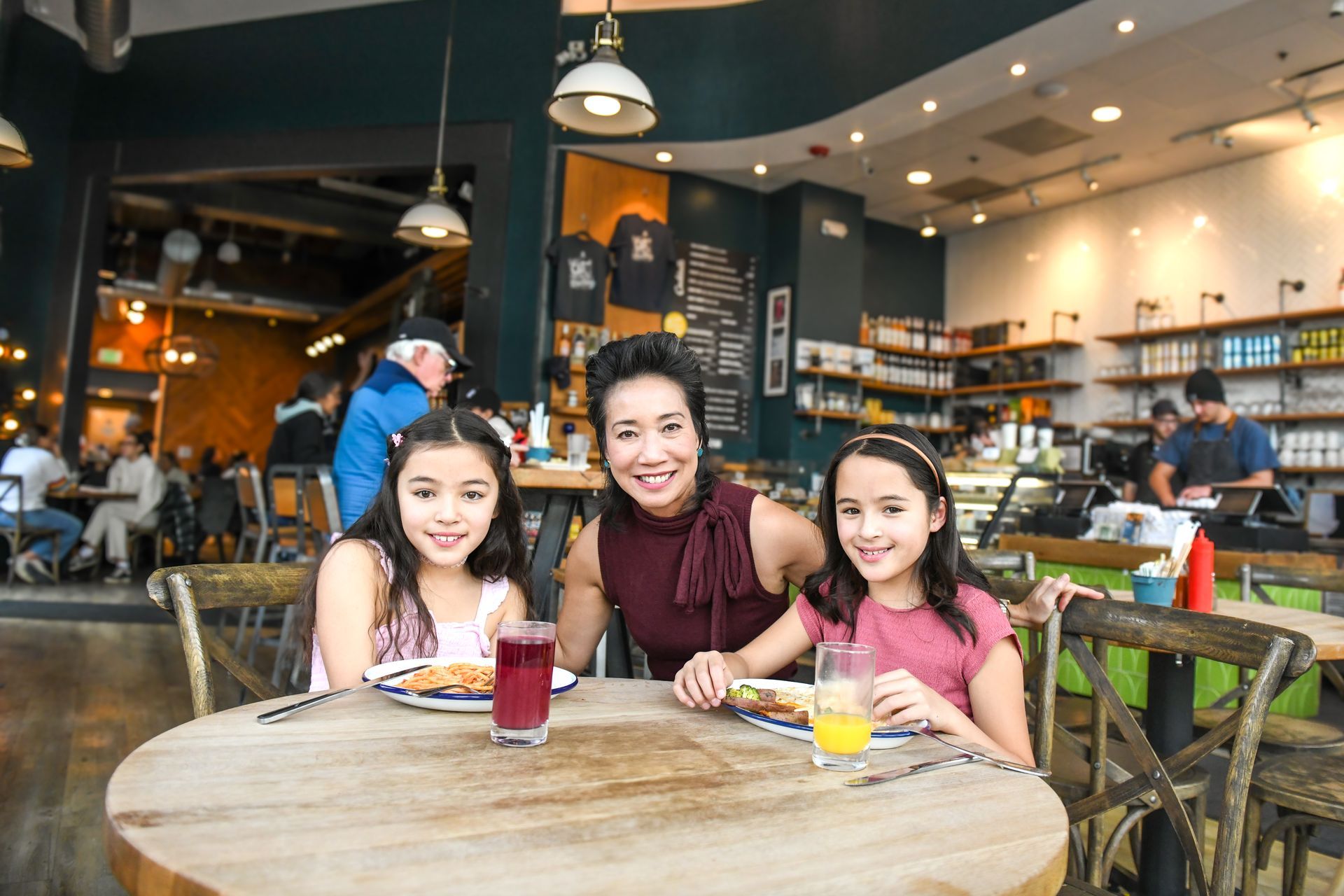
As the founder and president of Olive & Finch Collective, Nguyen’s transformed a single neighborhood restaurant into a multifaceted hospitality company spanning cafés, micro-markets and production operations across Denver. But for her, the work has never been just about food. “Hospitality is more than a physical space,” she says. “It’s about creating environments where people feel welcomed, connected and cared for.”
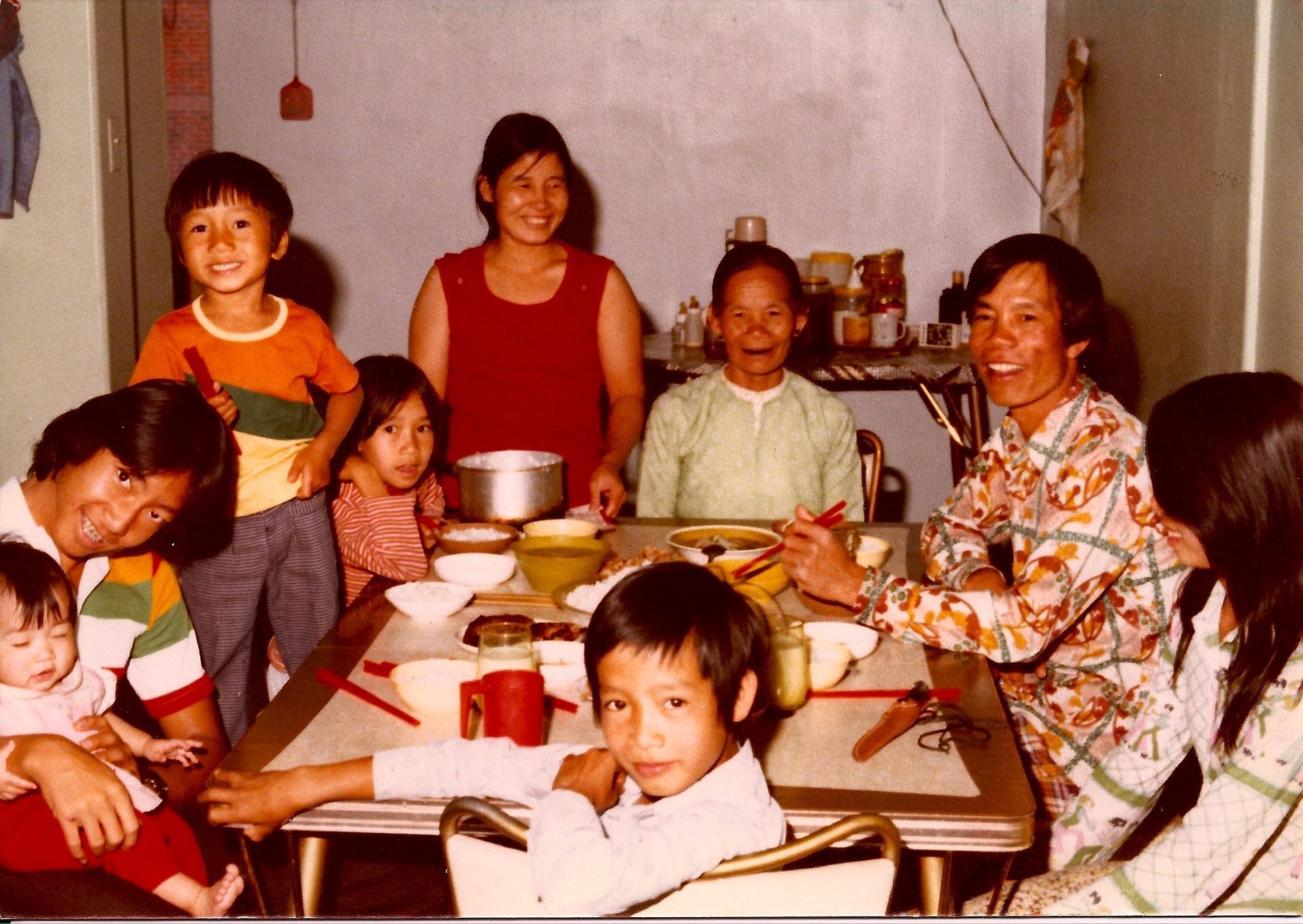
That mindset carries into everything she does. The daughter of Vietnamese immigrants, Nguyen was raised with a strong sense of responsibility, resilience and work ethic. At the same time, she had to push against cultural expectations that emphasized humility and not standing out. Stepping into leadership—and using her voice—didn’t always come naturally. But over time, it became necessary.
She built her career by taking unconventional paths and stepping into spaces without a clear roadmap. That experience now influences how she shows up for others. Through her work, Nguyen is focused on creating access so others don’t have to navigate those same challenges alone.
Today, that impact extends far beyond her businesses. Nguyen serves as chair of the Asian Chamber Foundation of Colorado, where she helped launch an inaugural program designed to support and elevate the next generation of Asian leaders across the state. At a time when communities are seeking greater unity and long-term representation, the program is helping turn momentum into lasting infrastructure.
Her leadership also reaches into spaces where decisions are made. Nguyen serves on multiple boards and commissions, including Visit Denver, the Downtown Denver Development Authority, and the Emily Griffith Foundation. In these roles, she advocates for small businesses, workforce development and more inclusive economic growth to make sure Asian and immigrant voices are part of the conversation from the beginning.
“Mary creates space, cultivates power, and ensures our community is seen, heard, and invested in for the future,” says Alyssa Inouye, a friend and colleague who nominated her for the award.
A big part of her work is building connections across communities. Through partnerships and collaborative events, Nguyen brings people together across cultures, recognizing that stronger relationships lead to stronger outcomes. Her approach reflects a belief that progress happens when communities move together.
That same philosophy shows up in how she runs her business. Community care, she says, should be built into work. From offering benefits and advancement opportunities within her company to mentoring young entrepreneurs, she focuses on creating environments where people feel supported and valued.
For Nguyen, leadership is ultimately about service. It starts with listening, showing up consistently and making intentional choices about who is included along the way.
Being recognized as an Asian American leader in Colorado is both an honor and a responsibility,” she says. It’s a reminder not only of how far she’s come, but of the importance of continuing to open doors for others.
She adds: “There is space for you—and sometimes you have to be the one to create it. And when you do, bring others with you.”
Mary Nguyen
Founder and President, Olive & Finch Collective
Chair, Asian Chamber Foundation of Colorado
Meta Sarmiento
Director and Editor, Saltwater Stories
Lead Community Partner, Asian Pacific Islander Club at Florida Pitt Waller
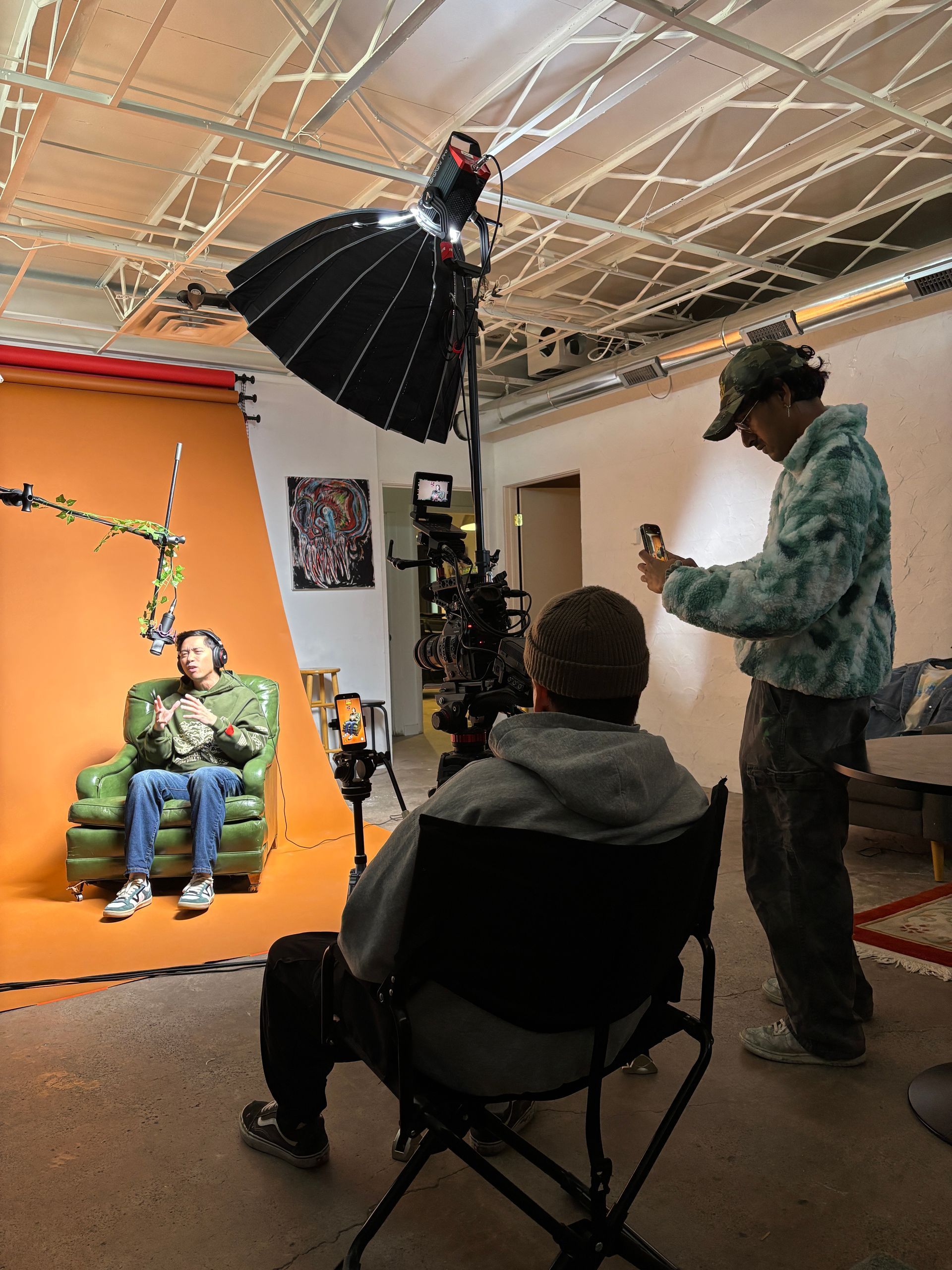
For Meta Sarmiento, storytelling is how he finds his place and helps others find theirs. As a Filipino poet, rapper, filmmaker and educator, he uses art to uplift voices that are often overlooked and bring people together through shared stories.
That journey began in sixth grade, when a language arts teacher showed him how writing could help make sense of the world and carve out space within it. Short stories evolved into poetry in high school, and eventually into a multidisciplinary creative practice spanning music, film and community programming. “The limits of my words would become the limits of my world,” a college professor once told him. Sarmiento took that to heart, pushing himself to expand both.
Born and raised in Guam, Sarmiento grew up navigating a complicated identity. As a U.S. territory, Guam exists in a paradox—American, yet often invisible. Residents are U.S. citizens who cannot vote for president, and the island is often reduced to a tourist destination or military outpost. That invisibility became a driving force. His work pushes back against flattened narratives, offering a more nuanced picture of Pacific Islander and Asian American communities.
Across nearly two decades, Sarmiento has built a career rooted in creativity and community. His poetry book “Tie Your Shoes Kid” was a finalist for the North Street Book Prize, and his film “A Thin Veil,” exploring the roots and erasure of Filipino art, was selected for the 2026 Colorado Dragon Film Festival. As a musician, he raps in Tagalog and English, weaving together themes of identity, politics and solidarity. His performances—from local stages to international platforms like the United Nations Climate Change Conference—reflect his commitment to educate and mobilize.
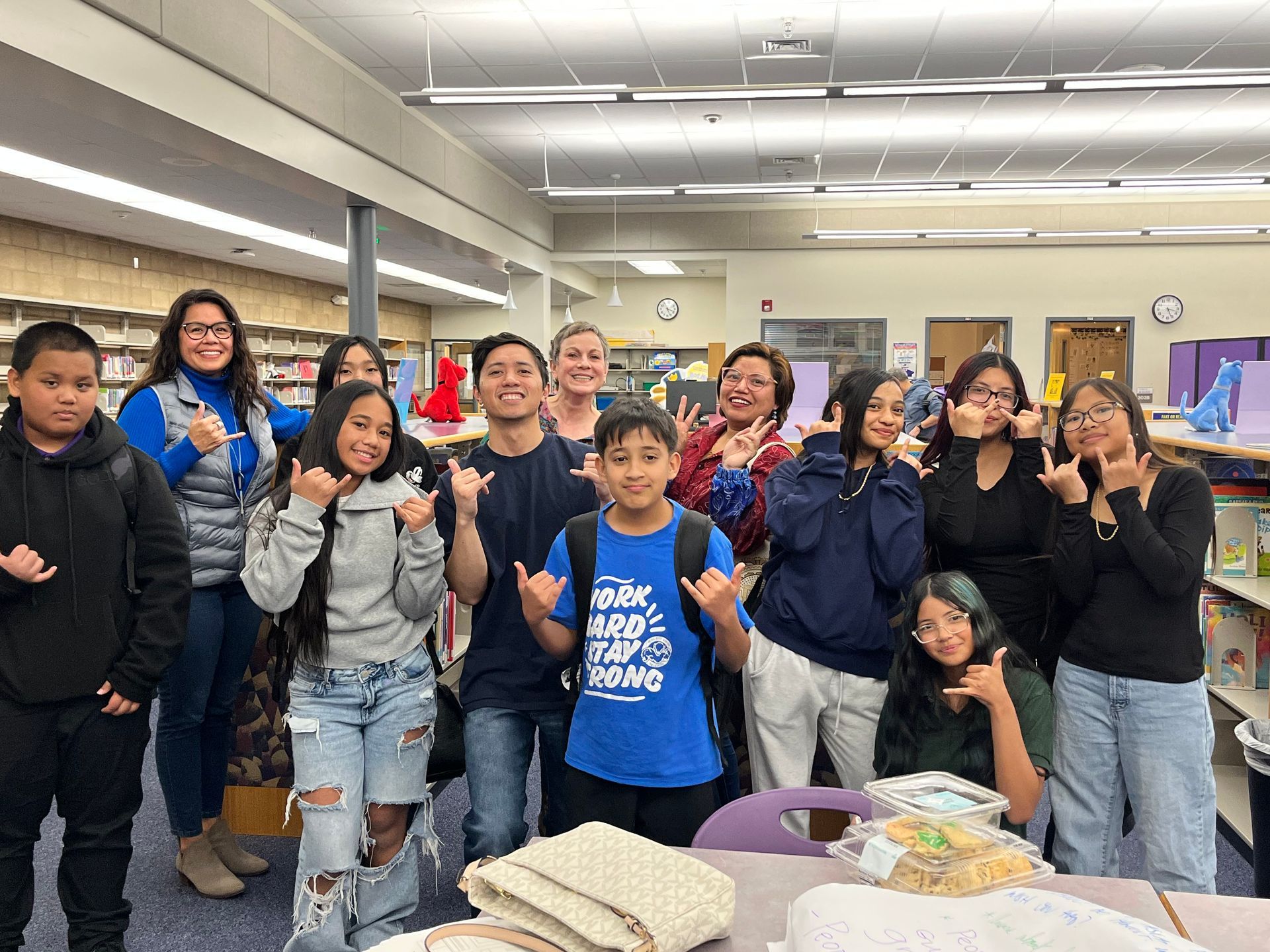
For Sarmiento, the work has never been about individual recognition. Grounded in the hip-hop philosophy of “each one, teach one,” he sees knowledge as something to be shared. That belief led him into education, where he has worked with thousands of students across Colorado. Today, he continues that work with young people, including through the Asian American Pacific Islander Club at Florida Pitt Waller, helping students explore identity, creativity and belonging through storytelling and cultural expression.
His approach is collaborative by design. Whether leading writing workshops like “Saltwater Stories”—a statewide initiative bringing together Asian American and Pacific Islander writers—or directing community-based projects, Sarmiento prioritizes co-creation. “There is no ‘I’ without the ‘we,’ there is no ‘me without the ‘us,’” he says. “We understand ourselves even better when we view our life through the lens of the community.”
That philosophy shows up in the spaces he builds. In classrooms, workshops and community events, Sarmiento positions himself as a facilitator—someone who helps others recognize the power of their own stories. The result is spaces where people feel seen and empowered to create. “He does not pursue his goals unilaterally,” says Joie Ha, Sarmiento’s collaborator and partner, “but instead works with people to elevate a shared message and goal.”
For Sarmiento, success has never been about standing alone. It’s about bringing others with him—making space, passing on knowledge and ensuring the next generation has the tools and confidence to tell their own stories. In doing so, he’s finding his place and helping others claim theirs.
Mary Nguyen
Founder and President, Olive & Finch Collective
Chair, Asian Chamber Foundation of Colorado
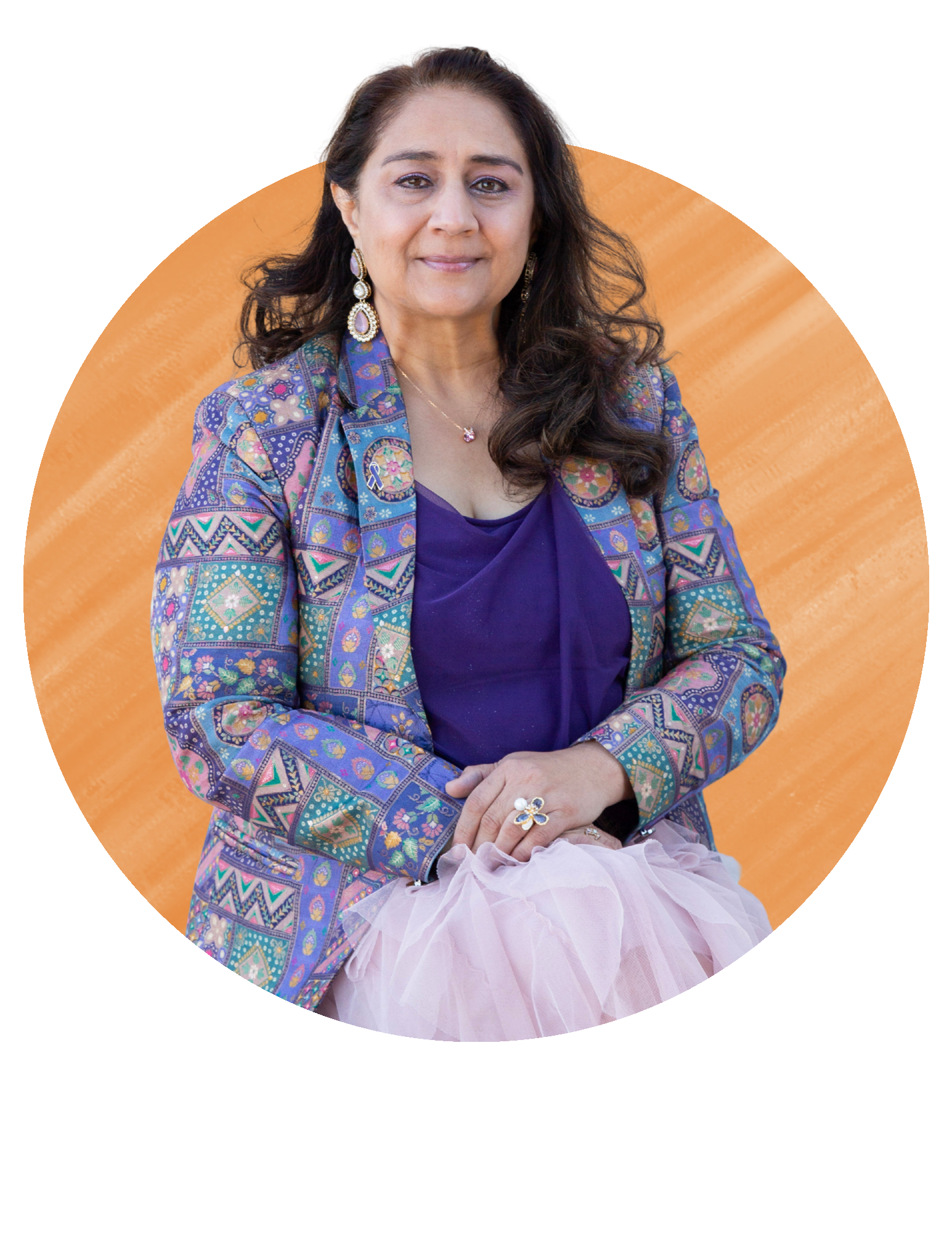
Dr. Nira Singh
Clinical Director, Cultural Development and Wellness Center at Aurora Mental Health & Recovery
“Mental health is health,” says Dr. Nira Singh, a second-generation South Asian American psychologist whose 34-year career has been dedicated to ensuring immigrant and refugee communities receive care that honors their cultures, languages and lived experiences.
For Singh, that belief is both professional and deeply personal. The daughter of immigrants from Rajasthan, India, she often describes herself as “made in India, born in the USA,” raised in Colorado at a time when South Asian culture was far less visible. Her family built community through cultural organizations, temple and a close-knit network of family friends—but outside those spaces, Singh was acutely aware of being different. Experiences of racism and exclusion—along with witnessing inequities—shaped her understanding of identity and the need for culturally grounded care.
That awareness became personal early in her career. After graduating from the University of Colorado Boulder, Singh worked at a domestic violence shelter, where she never saw survivors from Asian communities accessing services. She knew they were out there—but barriers like stigma, language and culturally misaligned care kept them from walking through the door. Determined to change that, she began building more inclusive pathways through grassroots partnerships and multicultural training.
Today, as clinical director of the Cultural Development and Wellness Center (CDWC) at Aurora Mental Health & Recovery (auroramhr.org), Singh leads a wide range of programs designed to meet people where they are. In addition to behavioral health services through its Asian Pacific and Refugee and Immigrant clinics, the center supports community members with education, workforce development, youth leadership, victim support and interpretation programs.
“Nira’s impact is both broad and deeply rooted,” say her brother, Dev Purohit, and her spouse, Dhruv Singh. “She’s led programs that reach thousands, but what stands out most is how connected she remains to the communities she serves.” Through her leadership, those programs have expanded language access and reimagined care to better reflect the realities of immigrant and refugee communities.
Central to this work is language access and representation. CDWC offers services in more than 40 languages, with many providers and health navigators coming from the communities they serve. “It requires activism and advocacy to ensure that all voices are lifted,” she says, “and that services are not just one size fits all, but responsive to unique needs.”
Her impact reaches far beyond the programs she leads. Singh has worked alongside community organizations and national partners to make behavioral health care more equitable—improving crisis response systems and expanding access for communities often left out. She’s also spent more than 20 years mentoring students and early-career professionals, supporting the next generation of providers to lead with cultural understanding and care.
Despite the scale of her impact, Singh remains guided by simple but powerful values: Listen intentionally, build relationships and never stop learning. She says being recognized as an Asian American leader in Colorado is a full-circle moment—an opportunity to give back to the community that shaped her. It is also a reminder of the responsibility she carries to continue uplifting others.
For Singh, the work is far from finished. As many community-based services face uncertainty, she emphasizes the importance of staying informed, involved and supportive of organizations doing this critical work. Ensuring access to culturally and linguistically responsive care, she believes, will take not just leaders—but entire communities committed to showing up for one another. She adds: “We are all stronger when we care for and support those most marginalized and underserved.”
Mary Nguyen
Founder and President, Olive & Finch Collective
Chair, Asian Chamber Foundation of Colorado
Nga Vương-Sandoval
Founder Executive Director, Refugees + Immigrants United
Judicial Officer Outreach Program Lead, Colorado Judicial Department
For Nga Vương-Sandoval, community care begins with a simple truth: She survived what many did not. It’s something she carries—and what drives her to hold the door open for others seeking safety, belonging and a voice.
A proud Vietnamese refugee, Vương-Sandoval carries memory and a deep sense of responsibility. She and her family didn’t leave Việt Nam by choice; they were displaced by war and forced to rebuild far from home, carrying loss, resilience and the will to survive. That experience still shapes how she moves through the world today.
Growing up in the United States, she learned early how easily identity can be erased in displacement. In response, she made a deliberate choice to preserve what could have been lost—language, culture, and connection—for herself and others navigating similar journeys. “Memory is a form of resistance,” she says. “Identity is continuity, and dignity is non-negotiable.”
For more than 20 years, this belief has shaped her work in Colorado and beyond. As founding executive director of Refugees + Immigrants United, a refugee-founded and entirely refugee and immigrant-led nonprofit, Vương-Sandoval works to uplift the voices of displaced communities. Her work centers on the principle that those most impacted by policies should be the ones shaping them.
In her concurrent role with the Colorado Judicial Department, she leads the nation’s first initiative to diversify the judicial bench, helping ensure systems of power better reflect the communities they serve. It reflects a broader commitment to expanding access and representation in spaces that have historically excluded refugee, immigrant, and underrepresented voices. “Nga is inspiring,” says colleague John Lee. “Her work has and will continue to make Colorado better.”
Vương-Sandoval’s work has taken her from Colorado to the global stage. Whether speaking at the state’s first World Refugee Day at the State Capitol or representing refugee communities at the United Nations in Geneva, Switzerland, she has used her platform to advocate for equity and human rights. She spearheaded the work, making Lunar New Year an official Colorado-observed state holiday and authored statewide proclamations honoring Vietnamese remembrance and resilience and the first statewide proclamation recognizing AANHPI Heritage Month both in 2025.
Despite her accomplishments, Vương-Sandoval doesn’t see herself as a “hero,” but as part of a larger story rooted in community. Two Vietnamese proverbs continue to guide her: “Ăn quả nhớ kẻ trồng cây” (When you eat the fruit, remember who planted the tree) and “Cái khó ló cái khôn” (Adversity creates ingenuity), reminders to lead with gratitude, resilience and action.
“If there is anything close to heroism in my life, it’s in choosing to persevere, to remember, to speak, to fully exist without erasing where I come from. Not as a singular act, but as a continuation,” she says. “I don’t know if that makes a hero, but it feels right to me and in my heart I believe my ancestors are smiling.”
For Vương-Sandoval, community care means standing alongside others—even when their stories differ—and creating space where none existed before. It’s about opening doors, challenging systems and making sure others don’t have to navigate those barriers alone.
Being recognized as an Asian American leader in Colorado, she says, is not something she holds alone. It belongs to the mentors, family and community who believed in her—and to the generations who came before her.
Grounded in memory, Vương-Sandoval continues to work toward a future where displaced and underrepresented communities are seen, heard—and able to shape what comes next.
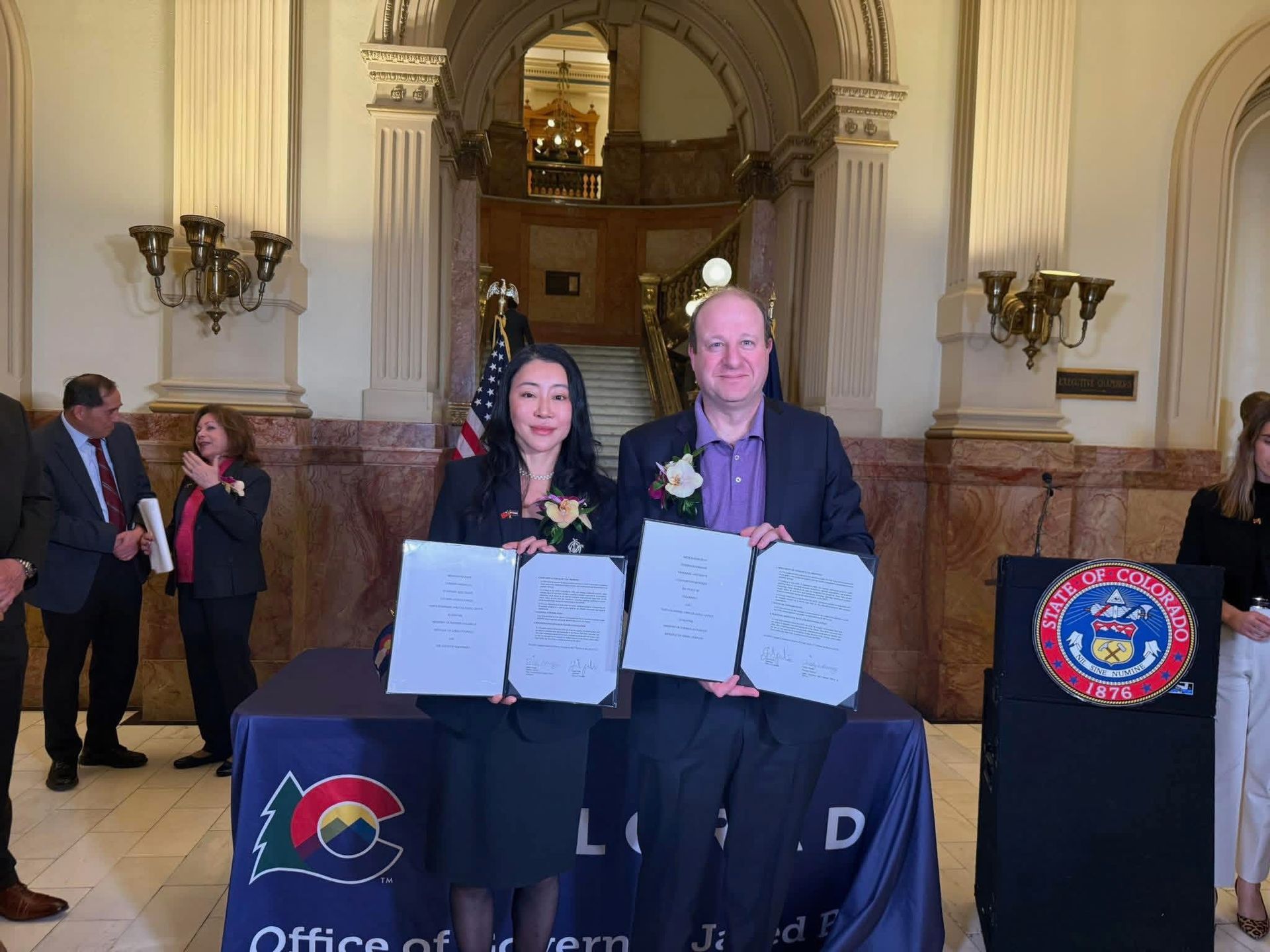
In April 2025, Governor Polis signed the Vietnamese Remembrance and Resilience proclamation authored by Vương-Sandoval at the State Capitol.
In front of Air Force 2, Vương-Sandoval meets with First Lady Dr. Jill Biden.
Vương-Sandoval shared remarks during the Lunar New Year Bill signing at the State Capitol on June 2, 2023.
Mary Nguyen
Founder and President, Olive & Finch Collective
Chair, Asian Chamber Foundation of Colorado
Lifetime Achievement Award
Jolie Noguchi
Third-generation Owner, Pacific Mercantile
Member, Japanese American Community Graduation Program
For more than 80 years, Pacific Mercantile has been a cornerstone of Denver’s Japanese American community—and at its heart today is Jolie Noguchi, a third-generation steward of a legacy that began with her grandfather, George Inai, in 1944.
Nestled in Sakura Square since 1972, Pacific Mercantile has served as a grocery store, gathering place, a cultural hub—and ultimately a welcoming source of comfort for generations seeking connection through food and tradition. Today, Jolie and her brothers, Kyle and Kebo Nagai, carry that legacy forward and are grounded in the same spirit of service and community their grandfather instilled decades ago.
Noguchi’s path was shaped early on. “Grandpa George led by example through a life of community service,” she recalls. Growing up, she and her siblings were often brought along to volunteer events and community gatherings, experiences that left a lasting impression. Surrounded by the Japanese American community her entire life, she came to understand not only the importance of preserving culture.
Under her leadership, Pacific Mercantile continues to thrive as both a business and a cultural anchor. Especially during events like the Denver Cherry Blossom Festival or New Year’s celebrations, the store becomes a vibrant meeting place, filled with customers searching for traditional ingredients like sashimi and ozoni—and with the warmth of shared memories. For some, Pacific offers a taste of home; for others, it’s an introduction to Japanese culture and cuisine.
But what truly sets Noguchi apart is the care she brings to each interaction. She believes in “laughing lots, giving plenty of hugs and getting to know people personally.” That philosophy is felt throughout the store, where every customer is treated not as a transaction, but as part of an extended community. It’s a quality that has made Pacific feel less like a place of commerce and more like a place of belonging.
“No one forgets a hug from Jolie, which she gives freely and with a kind and loving smile,” says Stacey Shigaya, executive advisor to Sakura Square and a friend of Jolie’s. “She exemplifies what it looks like to take pride in your heritage and treat people with dignity and respect.”
Noguchi’s commitment to giving back extends far beyond the store’s walls. She has been a longtime member of the Japanese American Community Graduation Program (JACGP), helping support scholarships for graduating seniors. Pacific Mercantile is also a dedicated sponsor of the annual Go For Broke Golf Tournament, which raises funds for JACGP, and Noguchi has also supported educational initiatives like Chibi no Gakko (a local Japanese heritage school). Whether through sponsorships, partnerships with local vendors or simply showing up for community events, Noguchi’s impact is both broad and deeply personal.
And by sharing her family’s story—including the early support they received from Colorado Governor Ralph Carr during a time of profound injustice for Japanese Americans—Noguchi also helps preserve history and foster understanding for future generations.
Being recognized as an Asian American leader in Colorado, she says, is both an honor and a continuation of that legacy. “It is proof that the legacy of my grandparents and parents’ lives on,” she says. With her daughter, Alyssa, poised to one day take the reins, Noguchi remains focused on what has always mattered most: honoring the past, serving the present, and ensuring that the community continues to flourish for generations to come.
Lifetime Achievement Award
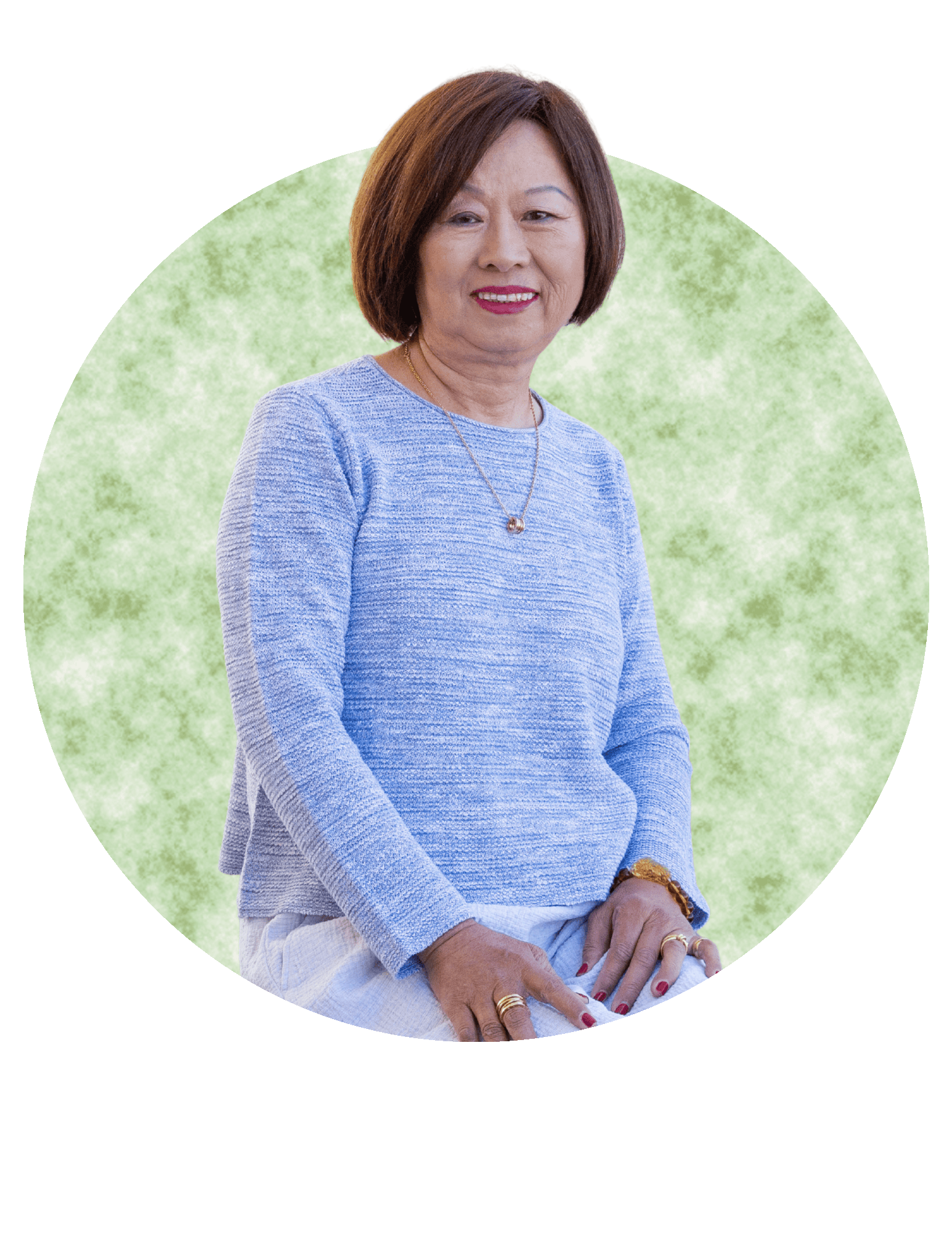
Christina Yutai Guo
Publisher, Asian Avenue Magazine and Rocky Mountain Chinese Weekly
Founder, Happy Living Adult Daycare
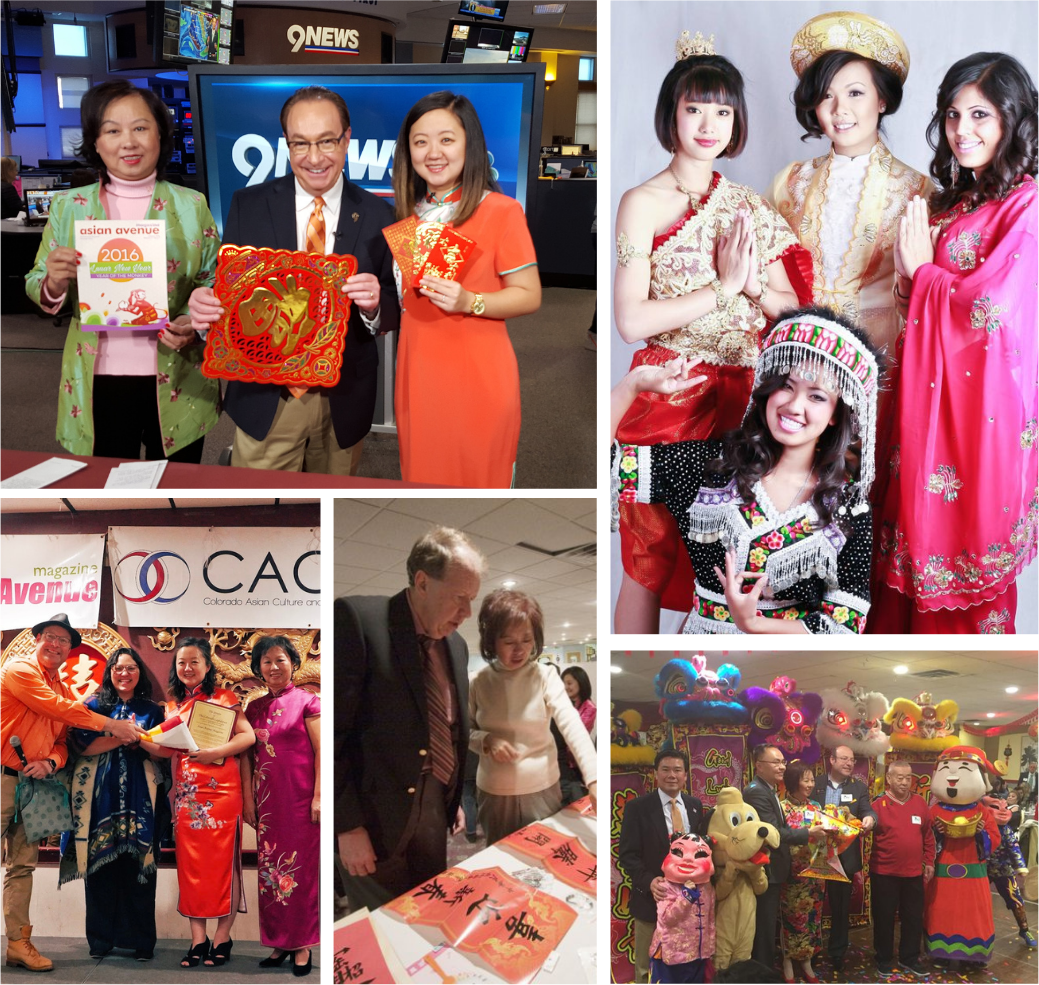
Two decades ago, Christina Yutai Guo helped create a platform to tell the stories of Colorado’s Asian American community. Today, as she is honored as an Asian American Hero of Colorado, her own story comes full circle—one rooted in resilience and a lifelong commitment to community.
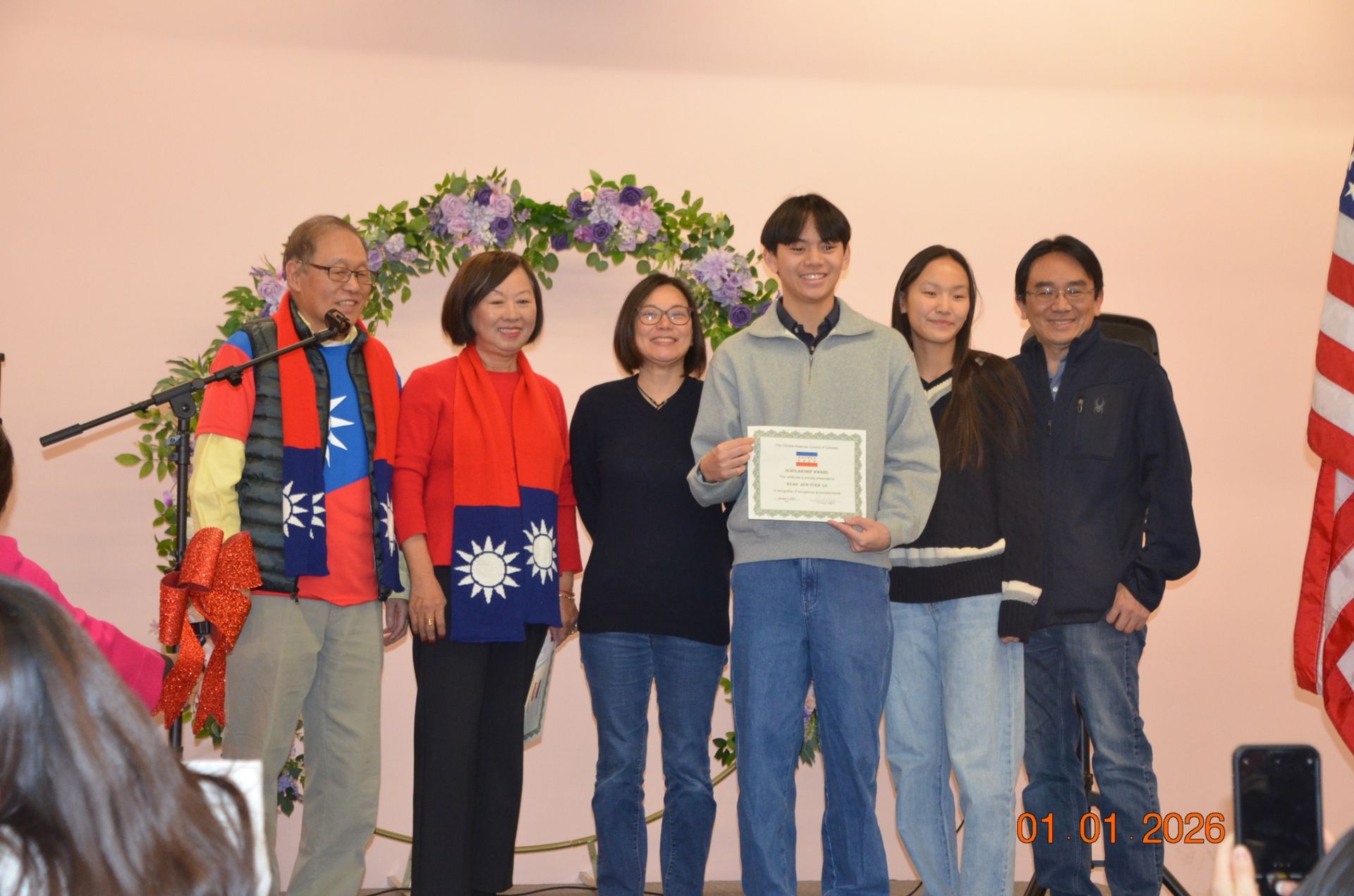
Guo arrived in Denver from Taiwan in 1987, as her husband pursued graduate studies and their young family began building a new life. In those early years, she found connection at the Colorado Chinese Club. Over time, that involvement grew into leadership, including serving as president of the organization and leading the Chinese American Council of Colorado, Double Tenth Celebration Committee and Denver Chinese Culture Center.
Her path, however, was not without challenges. Despite a background in journalism and media in Taiwan, language barriers limited her opportunities, and she spent decades working in retail. Still, the desire to create something meaningful—and to uplift her community—never left her.
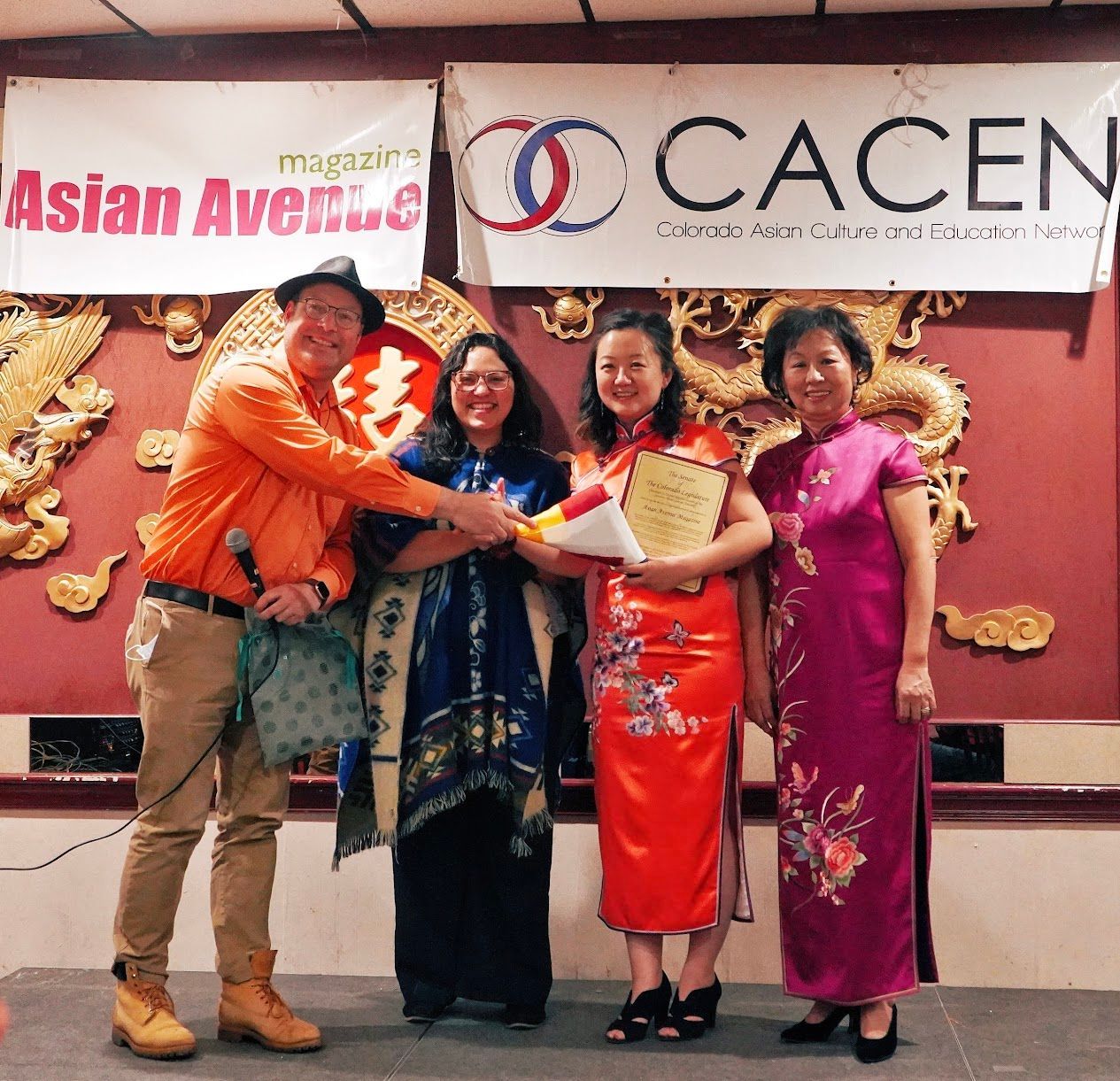
In 2006, she took a leap and founded Asian Avenue Magazine, a publication dedicated to sharing the stories and experiences of AANHPI community members in Colorado.
At the time, those stories were largely absent from mainstream media. With limited English and no roadmap, Guo taught herself every aspect of the business—from securing an ISBN to building advertising relationships by going door-to-door. “She created a platform that did not exist at the time, one dedicated to sharing the stories, voices, and experiences of Asian Americans that had long been overlooked,” says Guo’s daughter Jenny.
This year, “Asian Avenue,” which still honors Guo’s mission to be a space for community connection and pride, celebrates its 20th anniversary. Her commitment to bridging cultures continued in 2009 with the founding of the nonprofit Colorado Asian Culture and Education Network (CACEN).
Through student exchange programs and youth leadership programs, Guo worked to connect people across cultures in meaningful ways.
For Guo, she saw the importance of community care at a young age. Her father, who was a soldier in China, moved to Taiwan in 1949 after the Chinese Civil War. She saw how his friends, who were aging veterans, struggled with loneliness.
“Many never married nor had children because they had hoped to return to China one day to reunite with their families. Seeing their situation deeply impacted me,” she says.
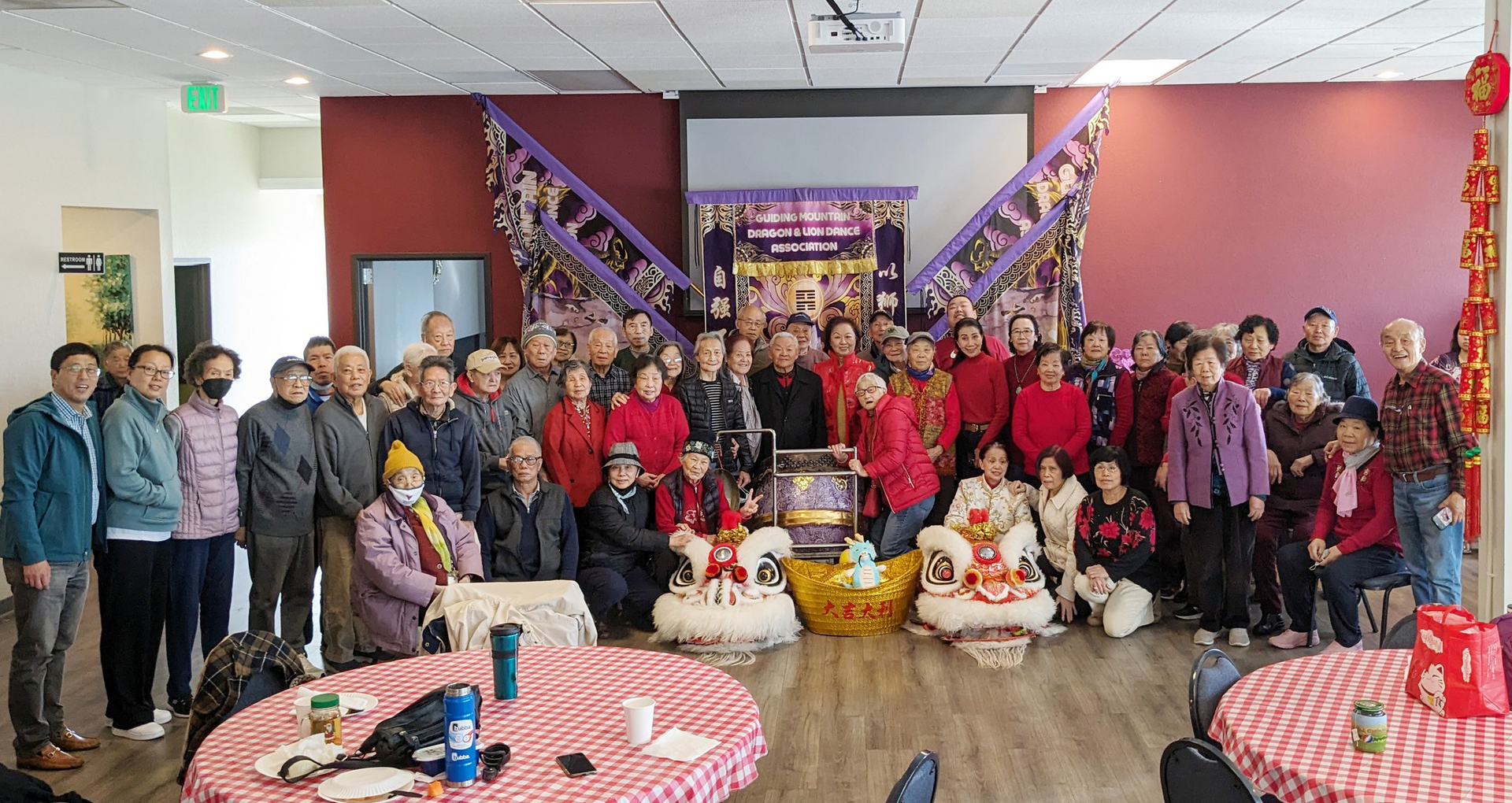
Years later, she saw similar isolation among elderly immigrants in Colorado, many of whom face language barriers, limited mobility and a lack of social connection. Determined to help, she founded Happy Living Adult Daycare in Aurora, a place where seniors could build friendships and age with dignity.
“I feel a responsibility to serve others, especially those who may feel unseen or isolated, such as elderly immigrants facing language and cultural barriers,” she says.
Her care for the community became even more visible during the pandemic. When the center was forced to close, Guo continued to show up by delivering meals, coordinating resources and staying in constant contact with seniors who depended on her for support.
Guo’s work is guided by values rooted in her upbringing: respect for elders and a deep belief in caring for community. “How we treat our seniors reflects who we are,” she says.
“Even if the journey is not easy or looks different from others, stay committed to what you believe in,” Guo says. “You can create your own path to make an impact in your community.”
Discover More Features